Last updated November 22, 2026
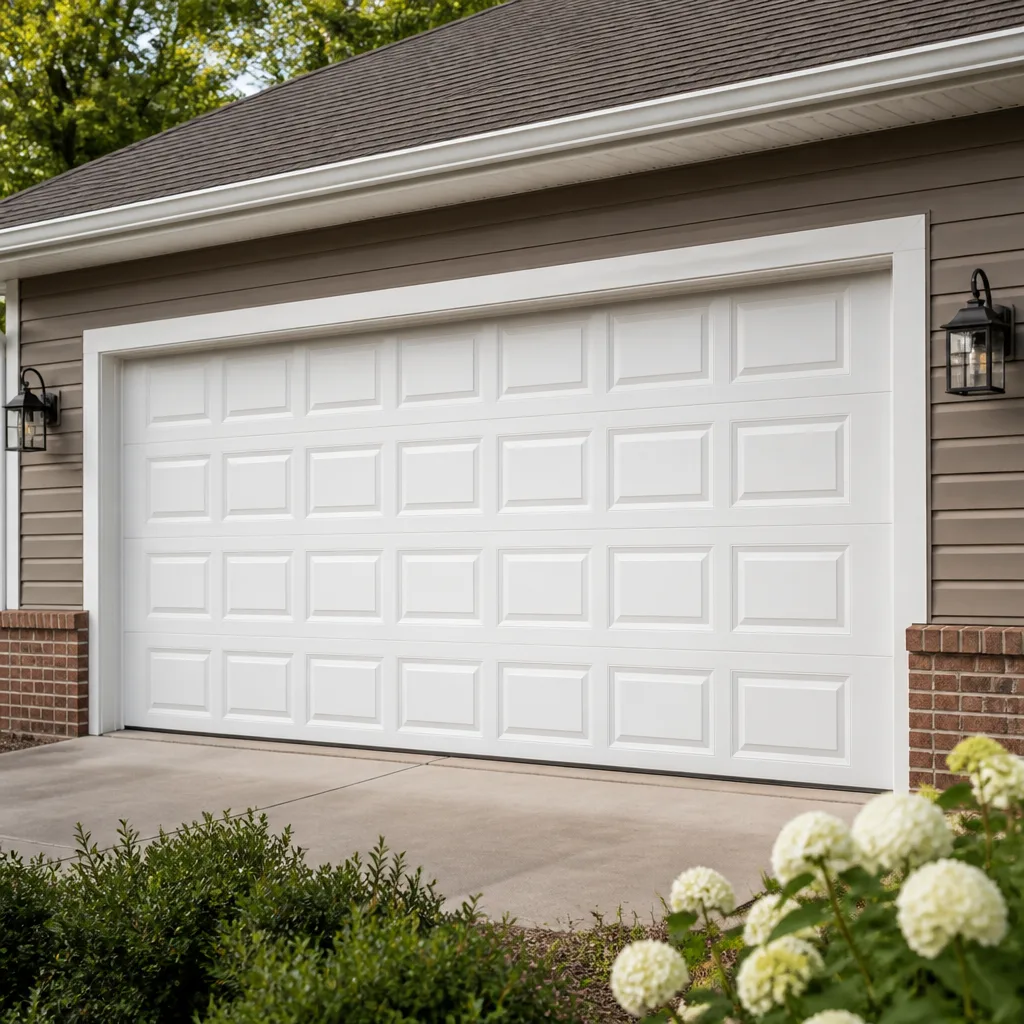 Raised-panel steel
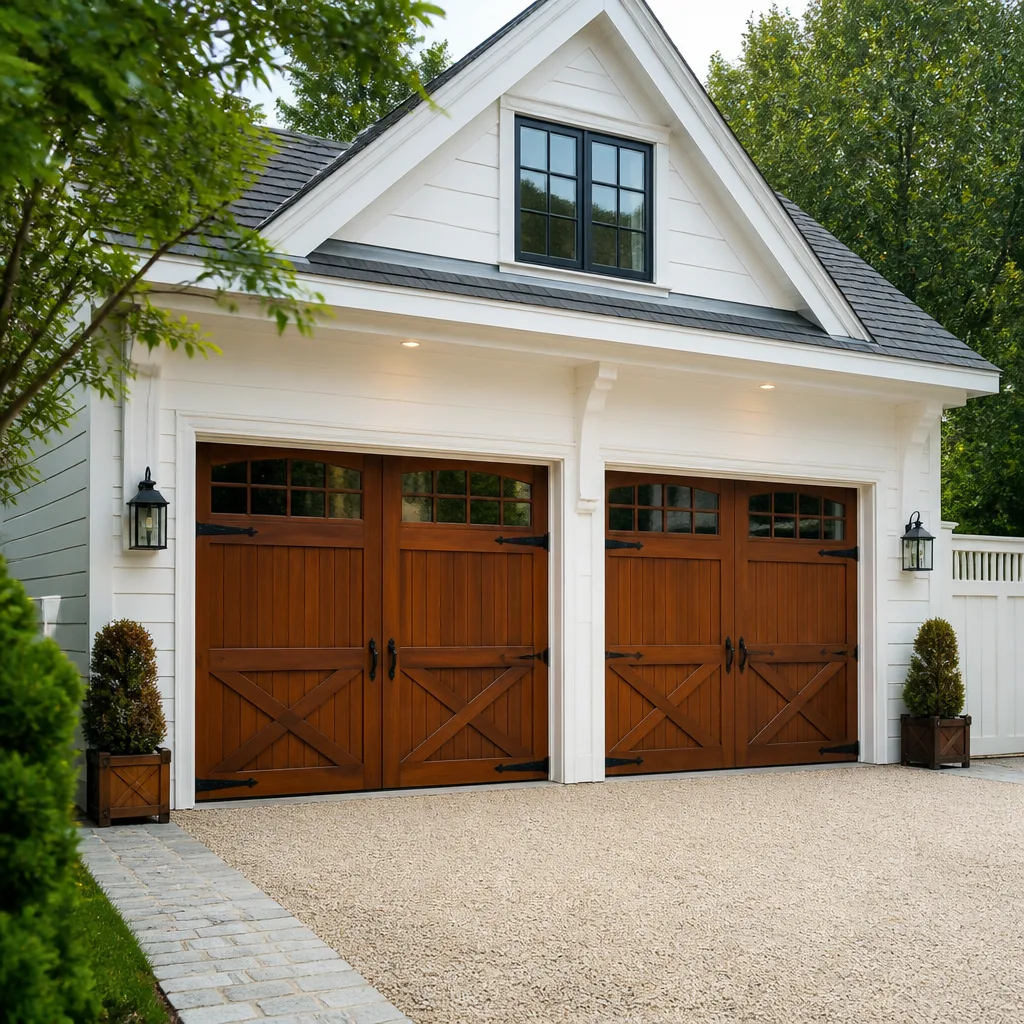 Carriage house
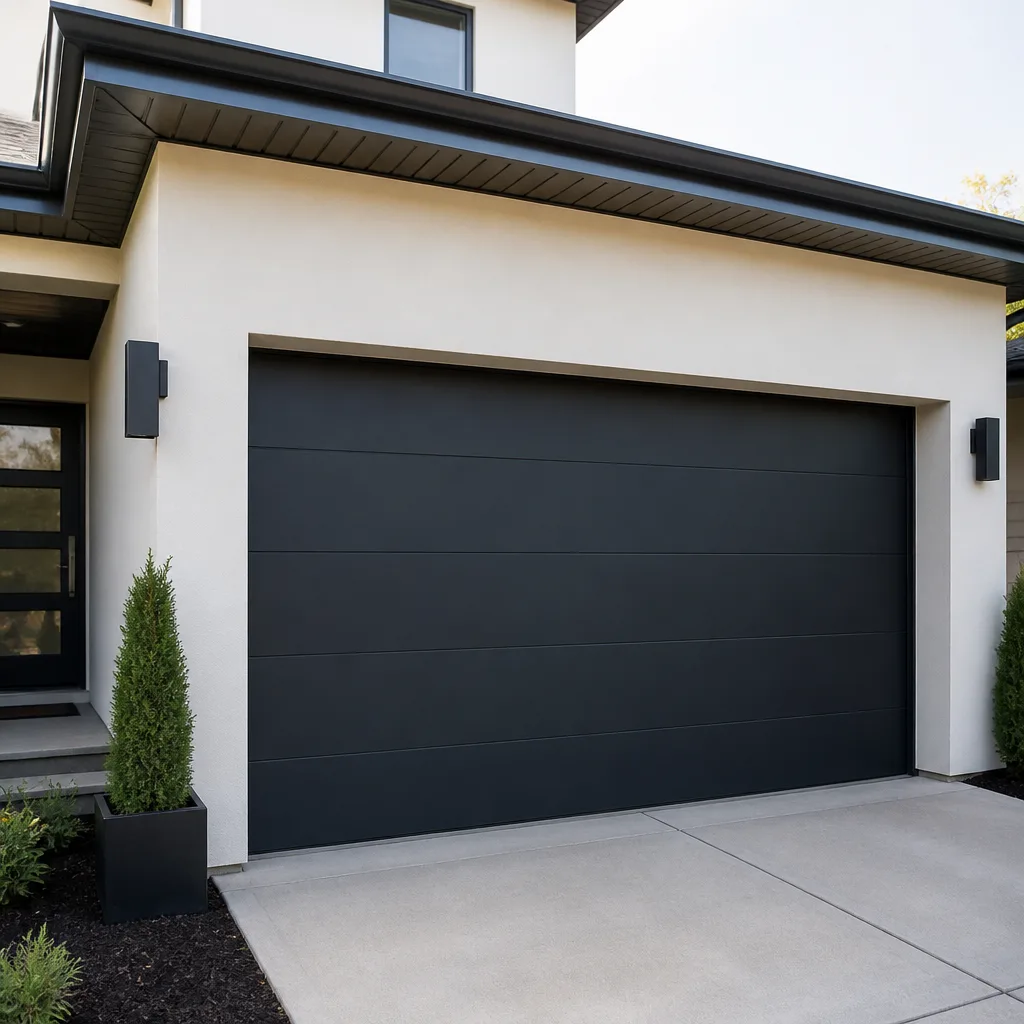 Modern flush
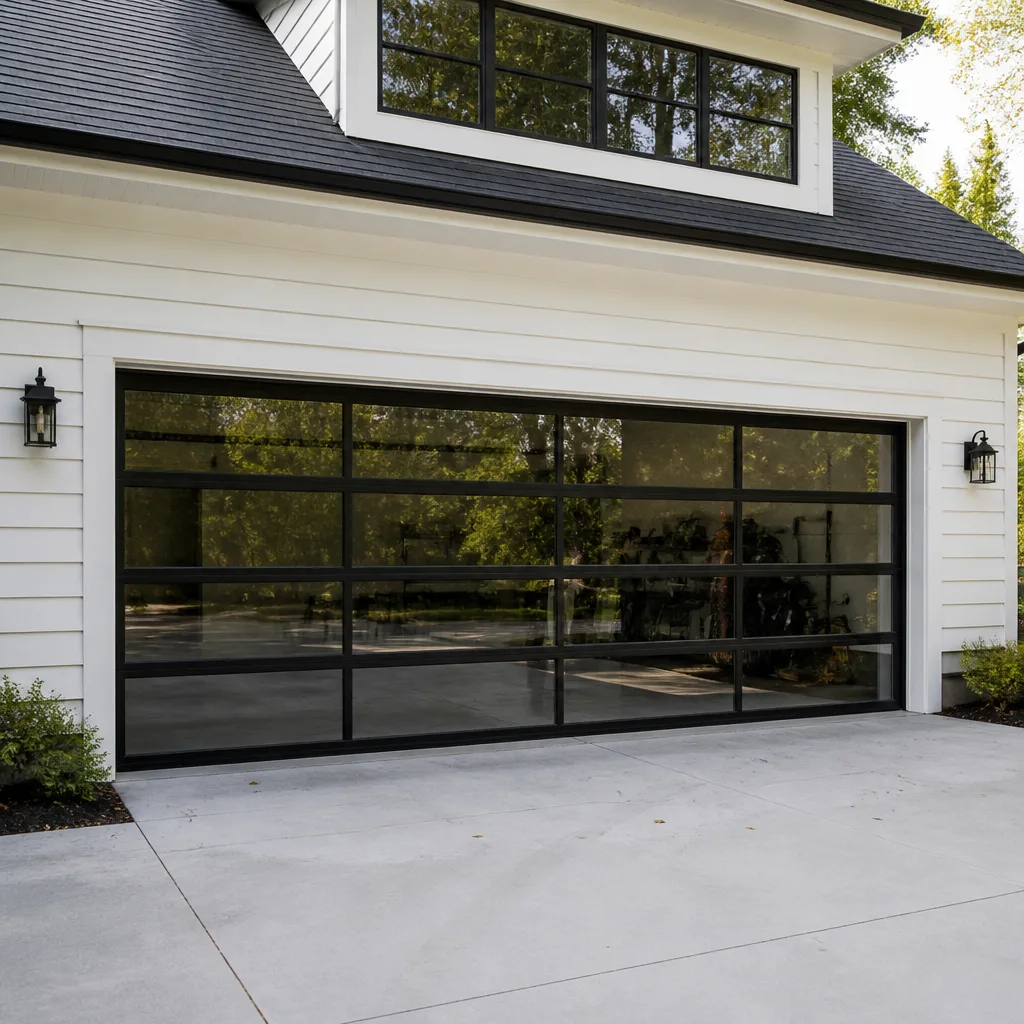 Full-view glass
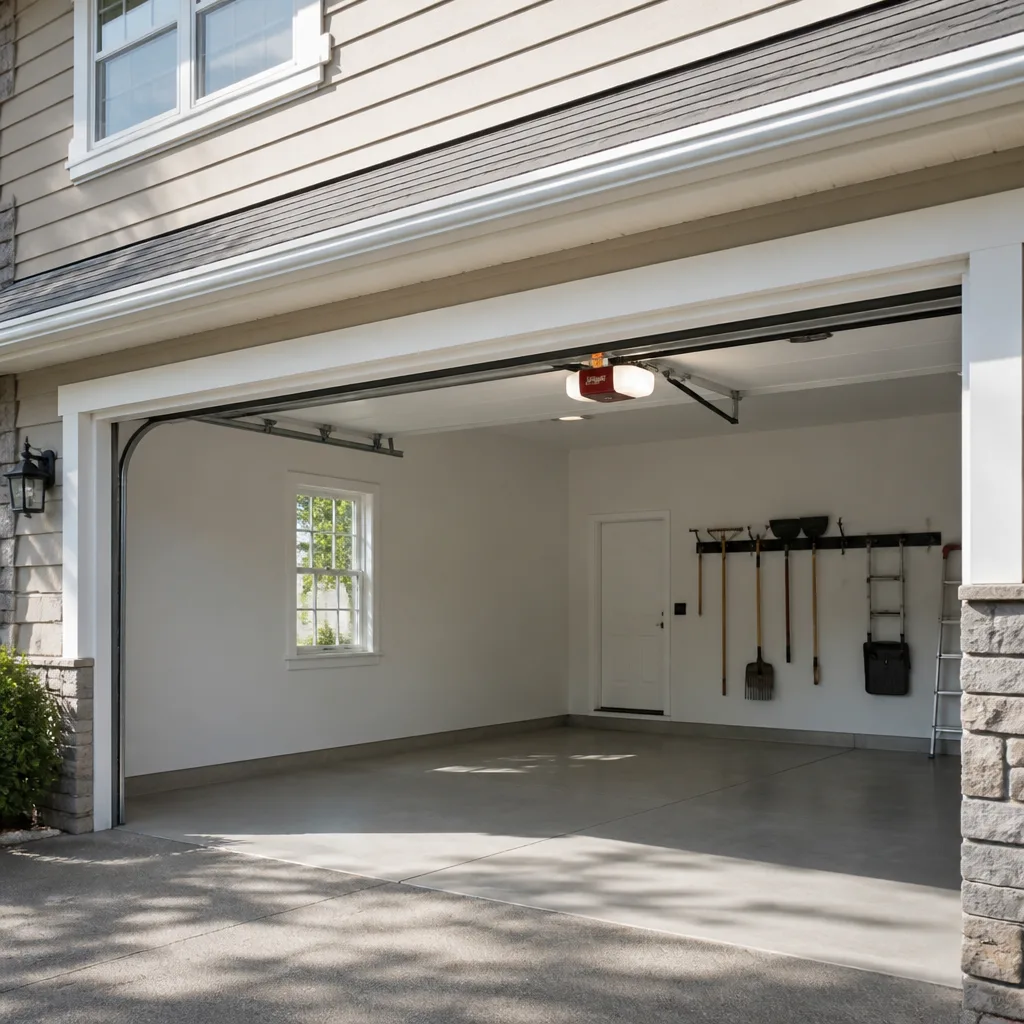 LiftMaster openers
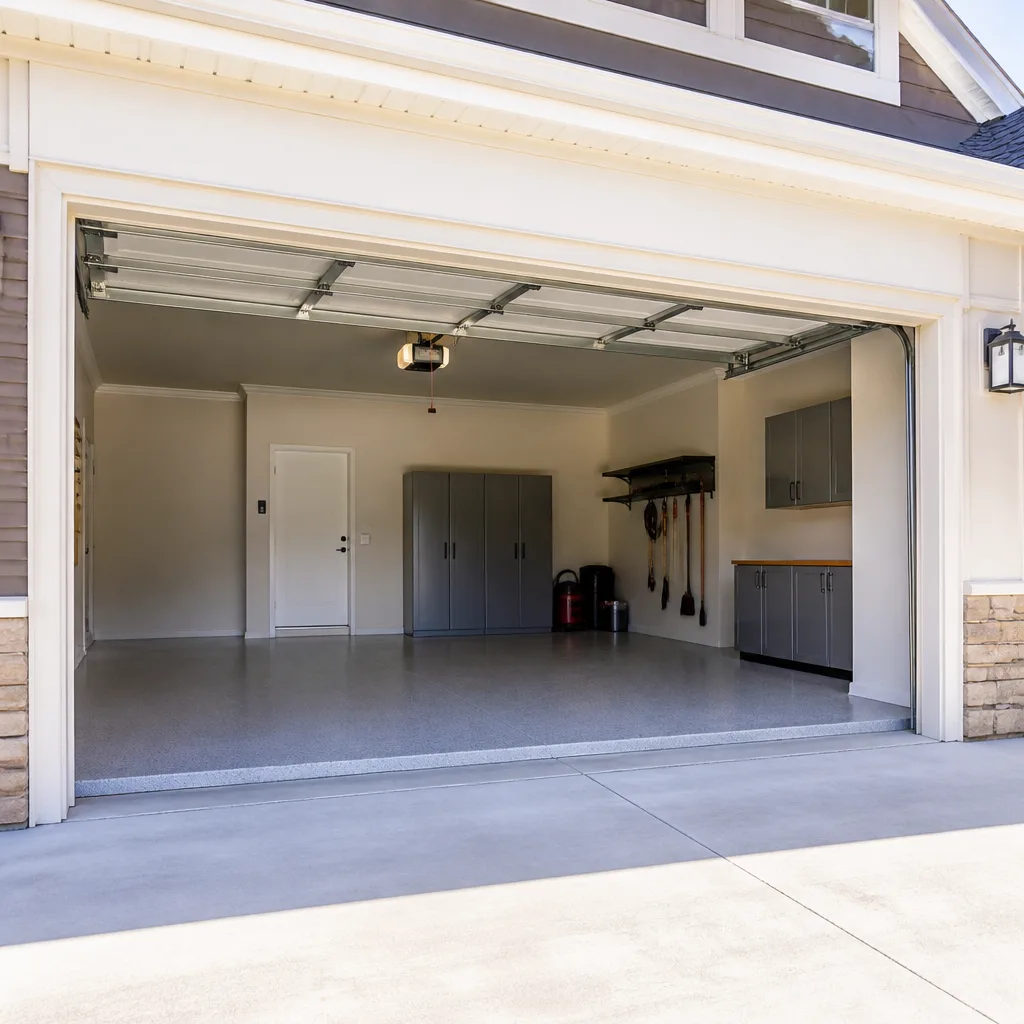 Chamberlain openers
Full 25-point door and opener safety check with every visit - springs, cables, rollers, tracks, and your LiftMaster or Chamberlain opener included
You get a price before we start. It does not change when the pro arrives.
Get your free estimateGarage Door Cost Breakdown: The Kenwood Homeowner’s Reference for 2026
Most garage door cost guides open with a national average and quietly assume the reader lives somewhere without building codes. That average typically runs $200 to $400 below what Kenwood homeowners actually pay, because it leaves out Florida wind-load compliance, impact-rated hardware, and the labor rate of a state that is still building. A garage door here is a rated exterior assembly, and it is priced like one. This guide breaks the cost of every common job by parts and labor, explains material choice in a humid subtropical climate, and shows which jobs come with a predictable flat price and which carry legitimate variables. Read it before you request any estimate. Contact us for a free estimate at (844) 699-3427.
Quick Answer
Garage door costs in Kenwood run roughly $95 to $295 for a single spring, $160 to $420 for a matched spring pair, $145 to $310 for cables, $240 to $760 for panel replacement, $340 to $860 for an opener replacement, and $1,050 to $3,600 for a full door replacement. Impact-rated doors and openers on the high end of those ranges are normal in Florida, and labor accounts for 35 to 60 percent of most repair totals. The written estimate is the price; everything here is a planning range.
Styles & brands we work with
- Raised-panel steel
- Carriage house
- Modern flush
- Full-view glass
- LiftMaster openers
- Chamberlain openers
Table of Contents
- Why Kenwood Garage Door Costs Differ From National Averages
- Line-Item Costs for Every Common Job in Kenwood
- What Florida’s Impact-Rating Requirements Add to the Bill
- Material Choice and Five-Year Cost of Ownership
- Parts Versus Labor: Reading an Estimate Correctly
- Which Jobs Have Flat Costs and Which Have Real Variables
- How to Budget for a Garage Door in Kenwood
- Common Mistakes to Avoid
- When to Call a Professional
- Frequently Asked Questions
Why Kenwood Garage Door Costs Differ From National Averages
Three forces push garage door work in Kenwood above the numbers you’ll find on national cost sites. The first is wind-load compliance. Florida’s building code treats the garage door as a rated opening, and any replacement door must carry documentation that the assembly meets the design pressure for its opening. That documentation, and the reinforcement it requires, shows up in the price. The second is the local labor market. South Florida’s construction labor is expensive and thin during active building cycles, so a job that takes two hours in a slower state can carry a higher hourly rate here. The third is material selection. In a humid subtropical climate, a conventional steel door has a shorter service life than the same door in a dry state, so homeowners here often buy a step up in gauge or finish.
There’s also the ambient wear question. Daily use in a warm, humid climate, combined with doors that cycle several times per day, wears springs and openers more evenly across the year than a cold-climate door that sits frozen for weeks. In our experience that means the repair you’re pricing now is often the same repair a neighboring homeowner priced a season ago.
National averages also blend markets. A figure pulled from a Midwest suburb includes cheap labor and no wind rating. Applied to a Kenwood garage, it produces an estimate the homeowner didn’t ask for and can’t budget for.
Line-Item Costs for Every Common Job in Kenwood
Here’s the breakdown we recommend as a budgeting baseline. These are typical installed estimates for Kenwood, not quotes. We run the full range of jobs in Garage Door Repair Kenwood, so the ranges reflect real local pricing rather than a national average pulled from an aggregator.
| Job | Typical parts | Typical labor | Typical total |
|---|---|---|---|
| Single torsion spring | $45 – $110 | $50 – $185 | $95 – $295 |
| Matched spring pair | $90 – $200 | $70 – $220 | $160 – $420 |
| Cable replacement (per side) | $25 – $70 | $120 – $240 | $145 – $310 |
| Single panel replacement | $110 – $410 | $130 – $350 | $240 – $760 |
| Opener replacement | $140 – $460 | $200 – $400 | $340 – $860 |
| Track or roller service | $30 – $120 | $80 – $200 | $110 – $320 |
| Full door replacement | $550 – $2,000 | $500 – $1,600 | $1,050 – $3,600 |
On spring pricing specifically: a single-spring range is for one spring. A matched pair is usually replaced together, so a pair costs about twice a single. If a technician quotes you a pair at a single-spring price, ask whether the springs are a true matched set rated for the same door weight. They should be.
Opener replacements carry one quiet variable: whether the existing wiring and header bracket support the new unit. Most old garage door opener repair calls end in a replacement, though, because a failing 15-year-old unit usually costs more to repair than to swap for one that handles smart-home integration. A modern opener from Chamberlain or Genie leaves the wall switch and safety sensors in place in most conversions. The range above assumes an existing opener with wiring in usable condition.
Full door replacement is the only job here that must be measured and ordered. No same-day promise applies; you’re looking at a measure, a factory order, and a scheduled install.
What Florida’s Impact-Rating Requirements Add to the Bill
When a garage door in Kenwood is replaced, the new assembly must meet the wind-load design pressure for its opening, and the installer must be able to document that. That requirement produces two visible costs and one hidden one.
The visible costs:
- An impact-rated door costs more than a standard door in the same material, because the panels, hardware, and bracing are engineered to a rating rather than a cosmetic spec.
- The mounting and reinforcement for a rated assembly usually require new hardware at the header and jambs, plus spring sizing to the new door weight.
The hidden cost: a rated door doesn’t work with whatever opener happens to be on the ceiling. If the new assembly is heavier, the existing opener may need replacing to match. That’s why the honest range for a full install is wide, and why a responsible installer measures before quoting.
None of this is optional. The rated assembly protects the opening during a high-wind event, and in a Florida garage the door is the largest unprotected opening on the house. We won’t quote a non-rated install as an alternative, and you should treat anyone who will as a reason to keep calling.
If you’re comparing a repair to a replacement, ask what the current door’s rating is. If the existing door predates the current code or its documentation is missing, replacing it earns you a rated assembly rather than a repair on something the paperwork no longer proves. That’s a real budgeting decision in Kenwood, and it’s one a national cost guide can’t make for you.
For a scheduled measure and written price on a rated replacement, our garage door installation page covers the process end to end. Estimates are free.
Material Choice and Five-Year Cost of Ownership
In a humid subtropical climate, material selection affects both the upfront price and what you’ll spend keeping the door working. Here’s how the three common options compare over roughly five years of ownership:
Steel, gauge matters more than price. A 24-gauge steel door is the entry price point and the most common choice. A 25- or 26-gauge door of the same face costs more upfront and lasts longer in humidity, because thicker steel resists the panel flex that eventually cracks paint and opens a seam to moisture. In our experience a thinner-gauge door is where you’ll see panel dents, rust at the bottom fixture, and repeated touch-up within a few seasons. Paying the step-up on gauge is one of the few material upgrades that pays back.
Aluminum. Lighter, naturally corrosion-resistant, and the right choice in salt-adjacent openings where steel hardware is going to fight the air. Aluminum also tends to be a full-door material, not a panel swap, so it’s usually a replacement decision rather than a repair.
Fiberglass. Fiberglass panels resist dents better than steel and don’t rust, but the finish can chalk and the hardware still needs to be a corrosion-rated grade. Fiberglass sits between steel and aluminum on upfront price, and in a humid climate its longevity is limited by the metal components around it rather than the panel itself.
A five-year view of cost of ownership:
- Year one: the highest cost is the door and install. Steel is cheapest, fiberglass next, aluminum highest.
- Year two to three: steel doors are the cheapest to repair; a dented panel is a single-panel swap. Aluminum and fiberglass panels are more expensive to source individually, and some profiles are full-door replacements.
- Year three to five: hardware is where the cost lives. Bottom fixtures, hinges, and springs corrode or wear on a schedule, and the cost is similar across materials provided the hardware is corrosion-rated.
- Five-year total: the material that wins is the one that needed the fewest panel repairs, rather than the door with the lowest sticker price.
For the brand-conscious homeowner, Clopay and Amarr both make rated steel doors in multiple gauges, and the brand choice is less important than confirming the gauge and the rating documentation. We work on whatever door is already in the garage, so a conversation about material doesn’t require a full replacement unless it should.
Parts Versus Labor: Reading an Estimate Correctly
Most homeowners compare garage door estimates by total. That’s the wrong number to compare, and we’d rather you knew why. On a repair, roughly 35 to 60 percent of the total is labor, and labor is where the difference between a low bid and an honest bid usually shows up. Here’s how to pull the two apart.
Parts. A torsion spring, a set of cables, a panel, an opener: each has a market price you can look up. Ask the estimator for the part number or the brand and model. This matters because an estimate quoting “a spring” without a make is quoting an unknown. We work on LiftMaster, Chamberlain, Genie, Clopay, Amarr, Wayne Dalton, Craftsman, and Raynor hardware, so a brand name on the estimate is normal for us and something you should expect from anyone.
Labor. Labor covers travel, the diagnosis, and the time. Spring and cable work on a high-tension torsion system takes a trained technician less time than a panel replacement, and the labor line should reflect that. A flat rate covering the whole job is fine; the point is that the labor line should exist, not be folded into the parts total to conceal a markup.
The service call. Some companies quote a diagnostic fee separate from the repair. That’s reasonable. What’s not reasonable is a diagnostic fee that becomes a surprise when the repair is declined.
The reason this matters in Kenwood is scale. A $20 difference in the parts line on a spring job can be a real pricing difference, or a difference in the spring’s cycle rating. A $120 difference on the labor line is the one that should make you ask a question. Ask what the job involves and how long it takes; the answer is a pretty good test of whether the price is honest.
For the full repair process, our garage door repair page lays out what a technician actually does. For an opener-specific job, start there.
Which Jobs Have Flat Costs and Which Have Real Variables
An honest range quote names its variables. A vague one leaves them for the invoice. Here’s how to tell the two apart by job type.
Predictable flat costs:
- Spring replacement on a matched pair, provided the door weight matches the spring’s rating. The parts cost is fixed and the labor is consistent.
- Opener replacement with existing wiring usable. Swap, refit, test, done.
- Cable replacement on the same side. One cable, one labor line.
- Standard track and roller service.
Jobs with real variables:
- Panel replacement. The panel is the variable. If the door’s model is still in production, you’re pricing a single panel. If the model has been discontinued, a matching panel may not exist and the range widens toward full replacement. Confirm the model before you’re quoted a number.
- Opener replacement on an old install. New wiring, a header bracket that isn’t where the new opener needs it, or a wall switch that won’t power a modern unit all add scope.
- Full door replacement. Rated assembly, new hardware, and the opener match all sit inside this one job, which is why the range is wide.
When a technician quotes you a tight number on a panel replacement, ask how they confirmed the model. When they quote a wide range on a spring pair, ask why. A well-run shop will tell you, because the price you agree to before work starts is the price, and no company should be guessing at the invoice after the job.
How to Budget for a Garage Door in Kenwood
The workable way to budget in Kenwood is to separate what you know from what you don’t, and to set aside a number for the known wear items rather than a lump sum for the door.
- Know what you own. Note the door model or brand and the opener model. In Kenwood, a lot of homes run original builder-grade steel doors with a Genie or Chamberlain opener still in place. Knowing that narrows every quote.
- Plan for the wear schedule. A typical residential torsion system lasts thousands of cycles. A door used four times a day cycles more than a door used once, so the spring job is a planning item, not a surprise. Set aside the matched-pair range.
- Budget for one repair per year as a normal baseline. Cable, track, or operator service is the kind of work a working door needs, and treating it as routine keeps the door from failing mid-cycle.
- Hold a replacement fund separately. Full replacement in Kenwood is a rated-assembly project. A savings line for it is the difference between choosing a door on your schedule and choosing one when it fails.
- Get a written estimate before any work. Agree the price first. Every reputable shop will put it in writing, and we do.
For the full repair-to-replacement lifecycle, one call covers it, and the range of work from a spring to a rated install is one decision point rather than two companies.
Common Mistakes to Avoid
- Quoting a spring pair from a single-spring range. The price of one spring and a matched pair are two different numbers, roughly a factor of two apart, and a realistic Kenwood budget needs the pair price.
- Treating a repair as a cheap path around a rated replacement. In Kenwood, a current rated assembly is what the code requires. Repairing a door whose rating can’t be documented is fine for function but not a substitute for the rated assembly when the time comes.
- Buying on gauge without asking about finish. A thicker steel door still traps moisture at a seam. Ask whether the finish and hardware are rated for a humid climate, not just what the gauge is.
- Comparing an impact-rated door against a standard door on price alone. They are different products. The rated door has documentation the standard door doesn’t, and the comparison should start with the rating.
- Accepting a vague opener quote. A range for “opener replacement” with no model named is a range, not a quote. Ask for the model and whether the existing wiring is usable.
- Skipping the pre-work agreement. The written estimate is the price for the agreed scope. Not agreeing it in writing is how a $500 job becomes a $700 job.
- Calling an emergency line for a scheduled install. Emergency service is for a door that won’t close or won’t move. Installation is measured, ordered, and scheduled, and mixing the two muddles the pricing.
When to Call a Professional
Call a professional if the door won’t close, a spring has snapped, the door hangs unevenly, the opener runs but the door doesn’t move, or you see a frayed cable at either side. On a torsion spring and cable system, technicians are the only people who should touch anything: those springs are high-tension components that store enough force to cause serious injury, and the cables are under the same load. Don’t attempt a spring or cable repair yourself. For a stuck door, a manual release is fine to use once; disconnecting the opener and forcing the door up by hand is not. Call, describe what the door is doing, and let a trained technician take it from there. Garage Door Repair Kenwood offers free estimates in Kenwood, and we answer for a door that won’t move. Call (844) 699-3427.
Frequently Asked Questions
Garage door spring repair in Kenwood typically runs $95 to $295 for a single spring and $160 to $420 for a matched pair, installed. The pair price is roughly twice the single because both springs are normally replaced together. A written estimate will confirm which you need before any work starts. Call (844) 699-3427 for an exact quote – estimates are free.
Yes, emergency garage door service is a core part of what we do, and a door that won’t close is the right reason to call. Tell us the model if you know it and what the door is doing. Call (844) 699-3427 and we’ll book a technician.
No. The written estimate is the price for the agreed scope, and we quote and agree it before any work starts. If a technician finds a genuine issue outside the scope, you get the choice before anything changes. That’s the standard you should hold any garage door company in Kenwood to. Call (844) 699-3427 for a free estimate.
The local professional who performs the work is licensed and insured as Florida requires. Our technicians have up to 8 years of experience, and they work on the full range of brands, including Chamberlain, Genie, Clopay, and Amarr, so the door already in your garage is one we know. Call (844) 699-3427 to get a quote.
Florida’s wind-load requirements make the garage door a rated opening, so any replacement must meet the design pressure for its opening and carry documentation of that rating. Add the local labor rate and materials suited to a humid climate, and the price lands above a national average. The rated assembly is the product, not an optional upgrade. Call (844) 699-3427 for a free measure and a written price.
Repair is cheaper when the door is sound and only a wear item has failed. Replacement makes more sense when the door is dented, its rating can’t be documented, or the panel is discontinued. Both are priced here as ranges, and the written estimate will tell you which applies. Call (844) 699-3427 for a free quote.
The Bottom Line
Garage door pricing in Kenwood is set by three things a national guide can’t see: wind-load compliance, a humid climate that punishes thin steel and cheap hardware, and a local labor market that is not the national average. Use the line-item ranges here as a budget, ask for the brand and model on any parts line, and treat the written estimate you agree to before work starts as the price. Repair made sense when a wear item failed. Replacement made sense when the door or its rating didn’t. Either way, the number to work from is the estimate, not a national average.
Garage Door Repair Kenwood covers every stage of a door’s life, from a single spring to a full rated install. Whether the door won’t move at all or you’re planning ahead, we work on the door already in your garage. Call (844) 699-3427 for a free estimate in Kenwood.
Written by the team at Garage Door Repair Kenwood.
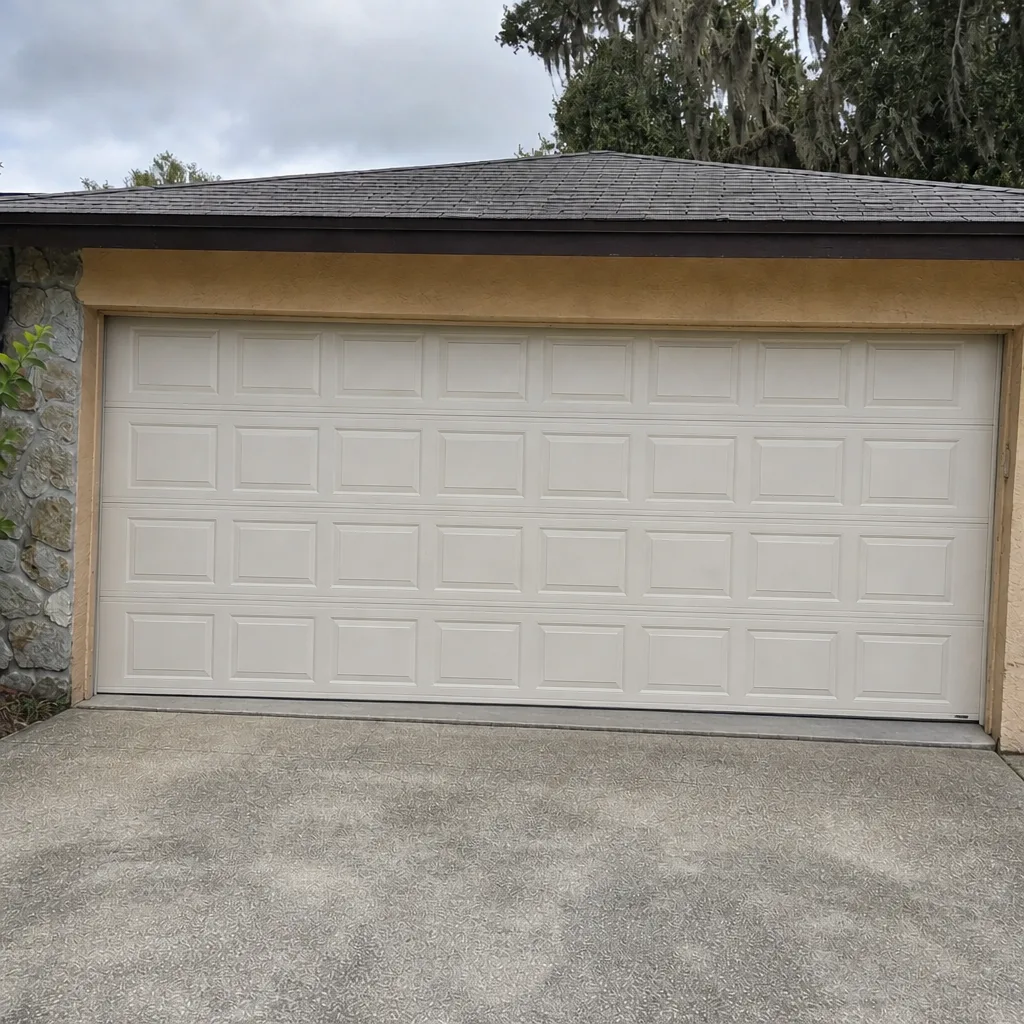
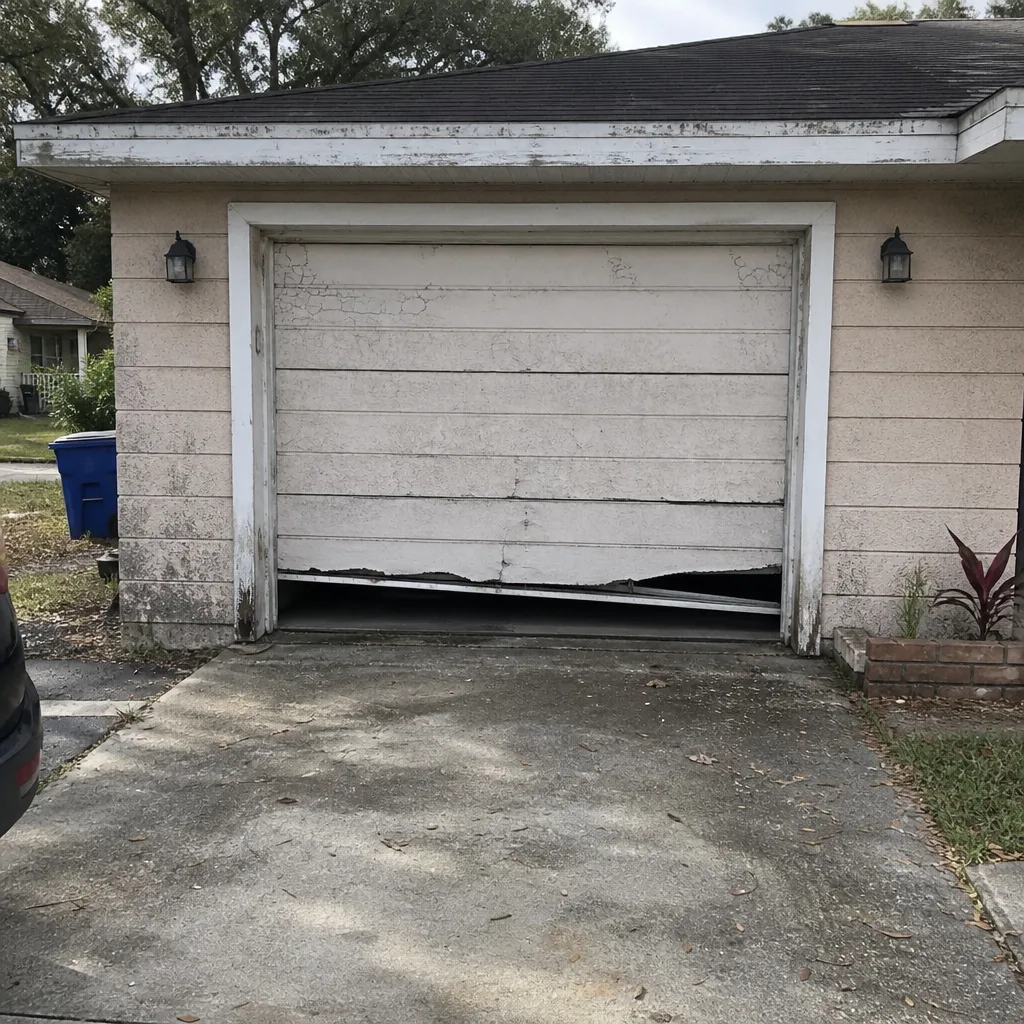
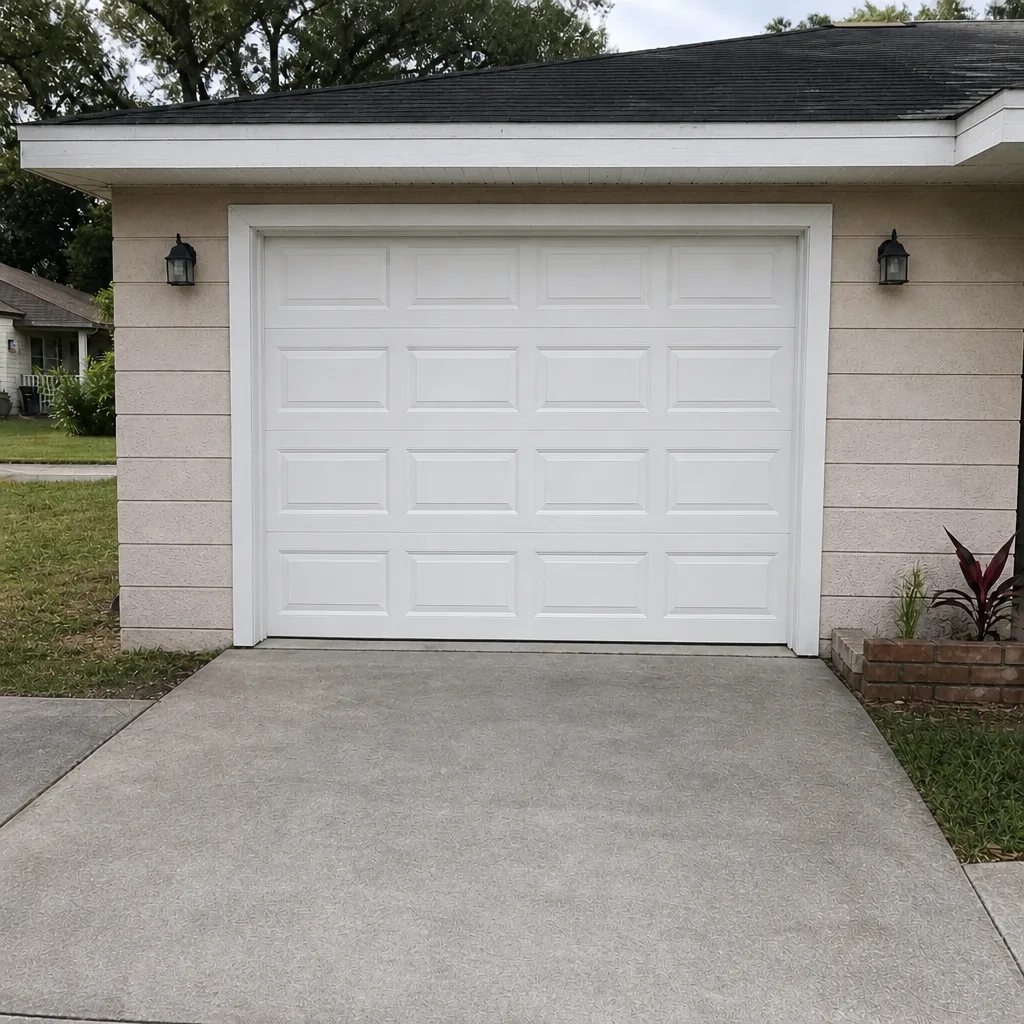
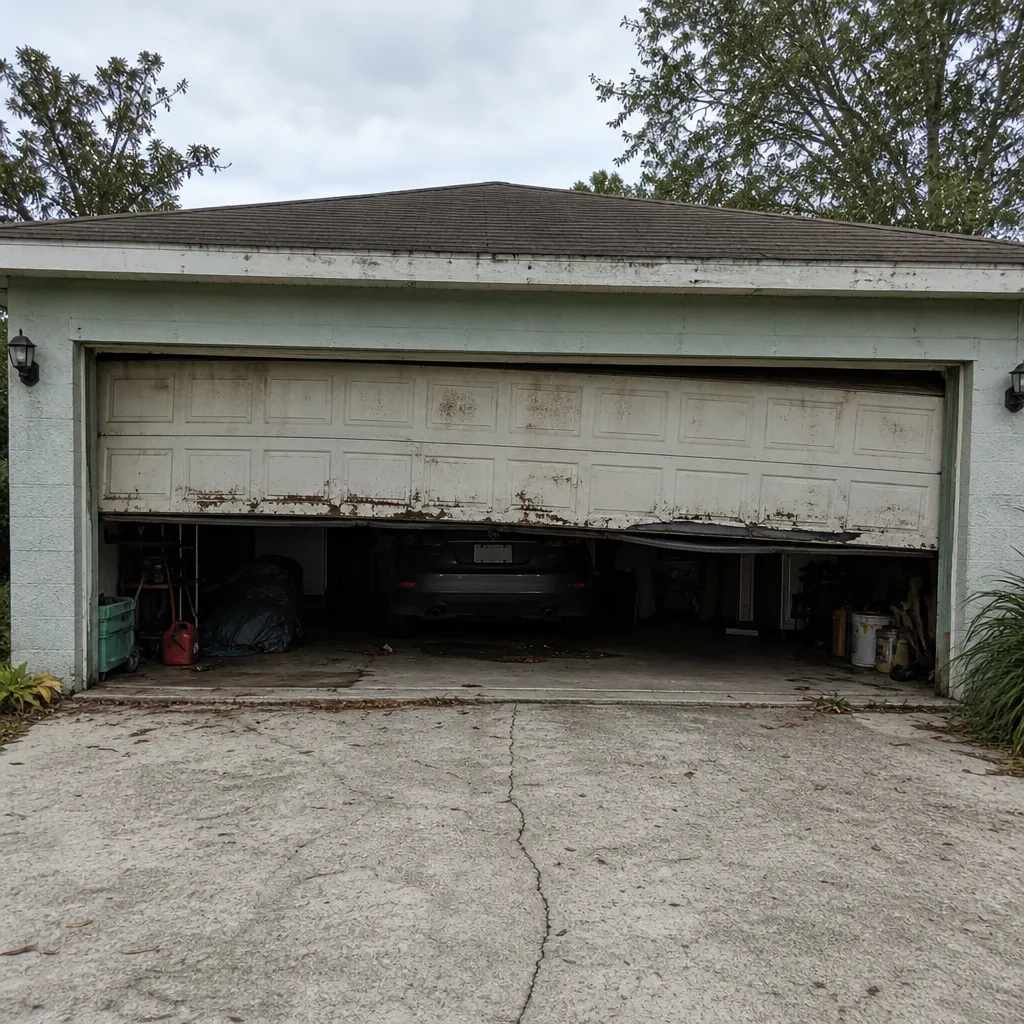
See the difference
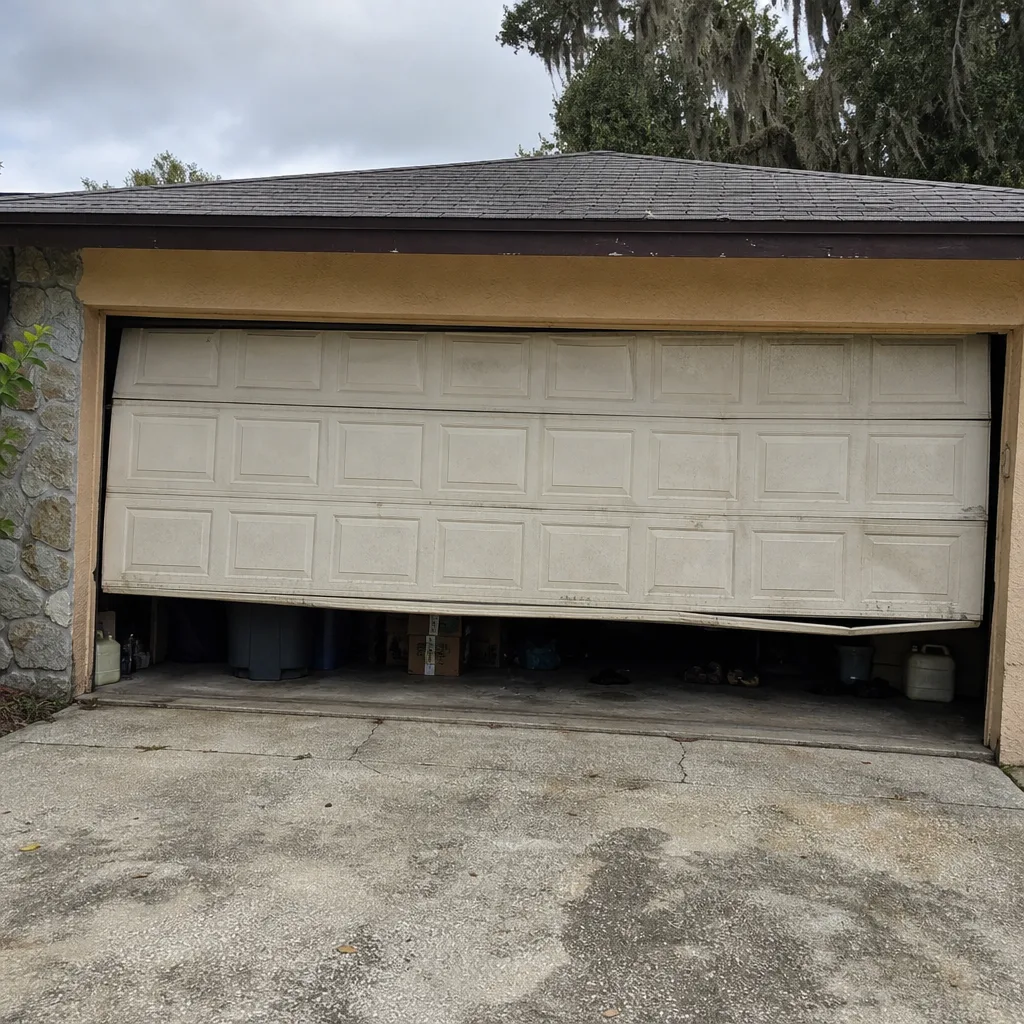 Before
 After
 Before
 After
 Before
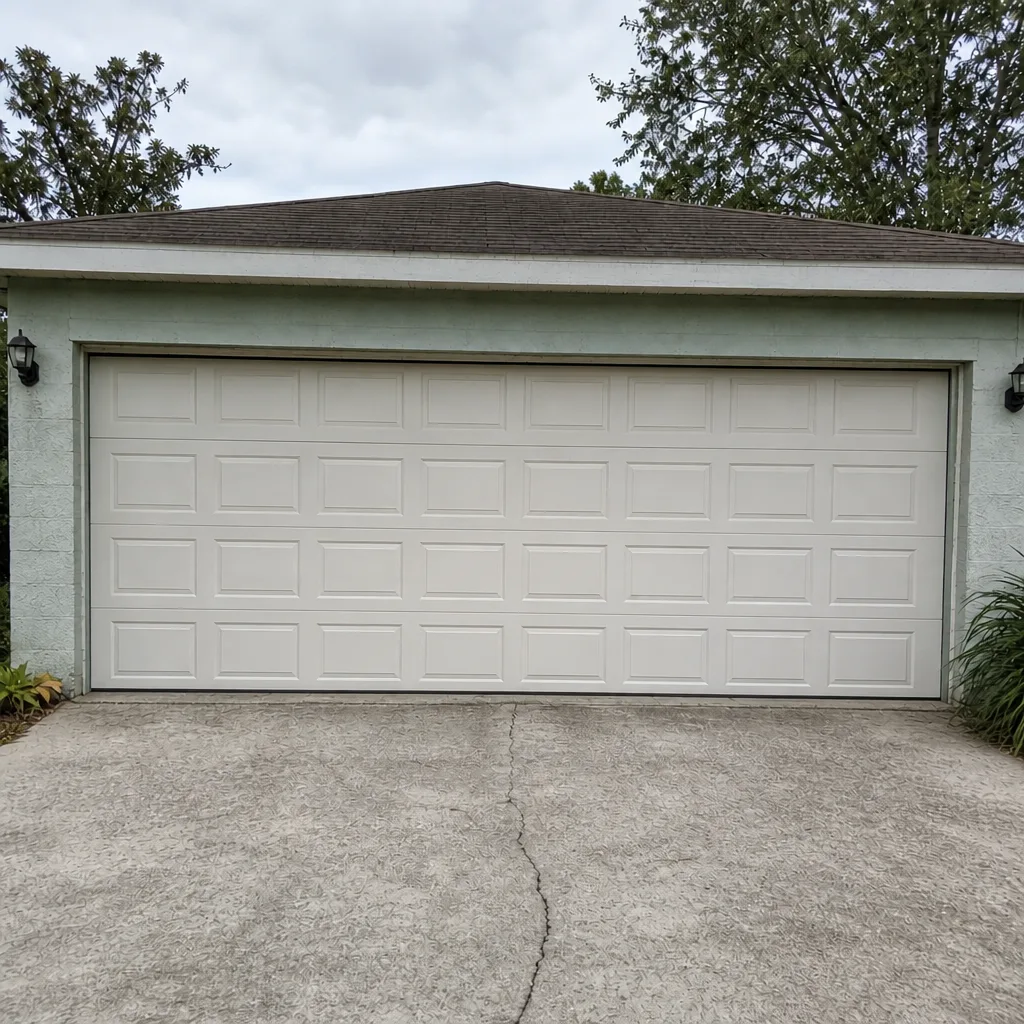 After