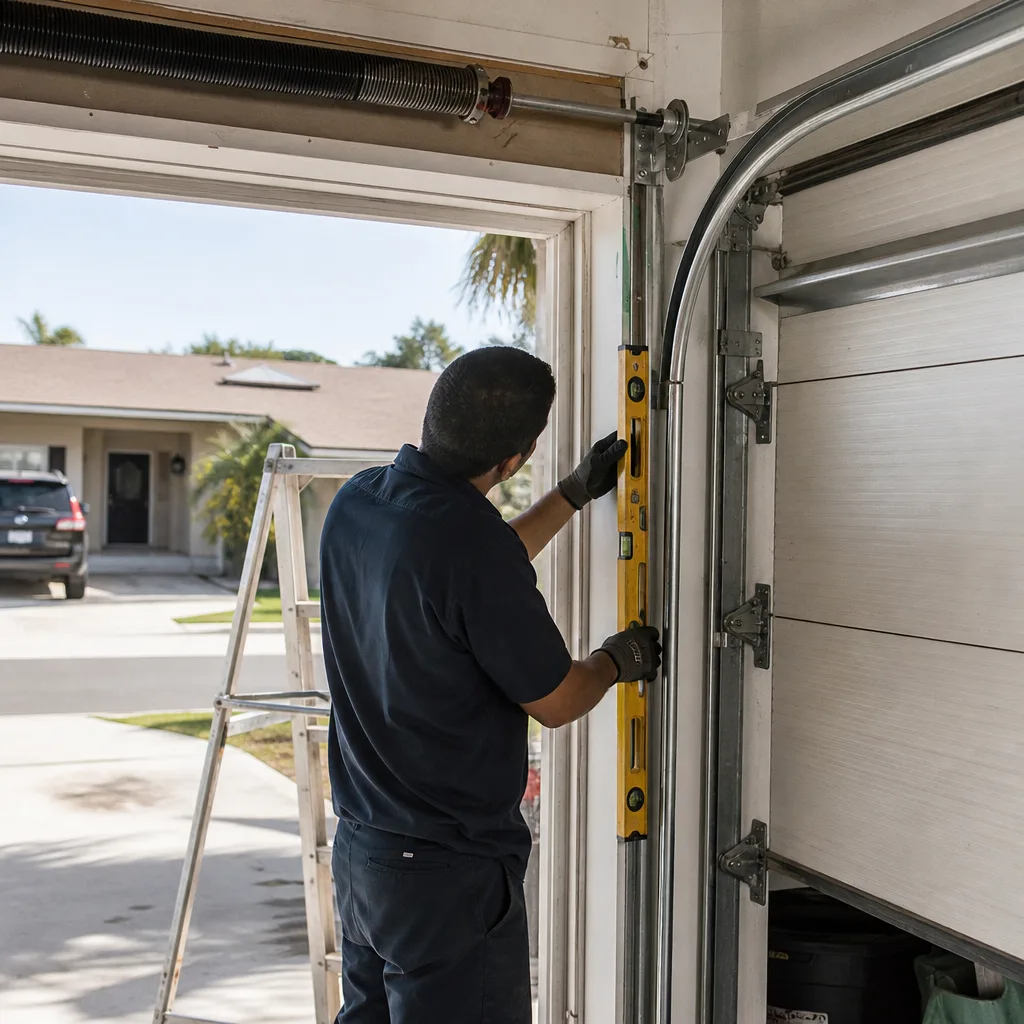
Last updated November 22, 2026
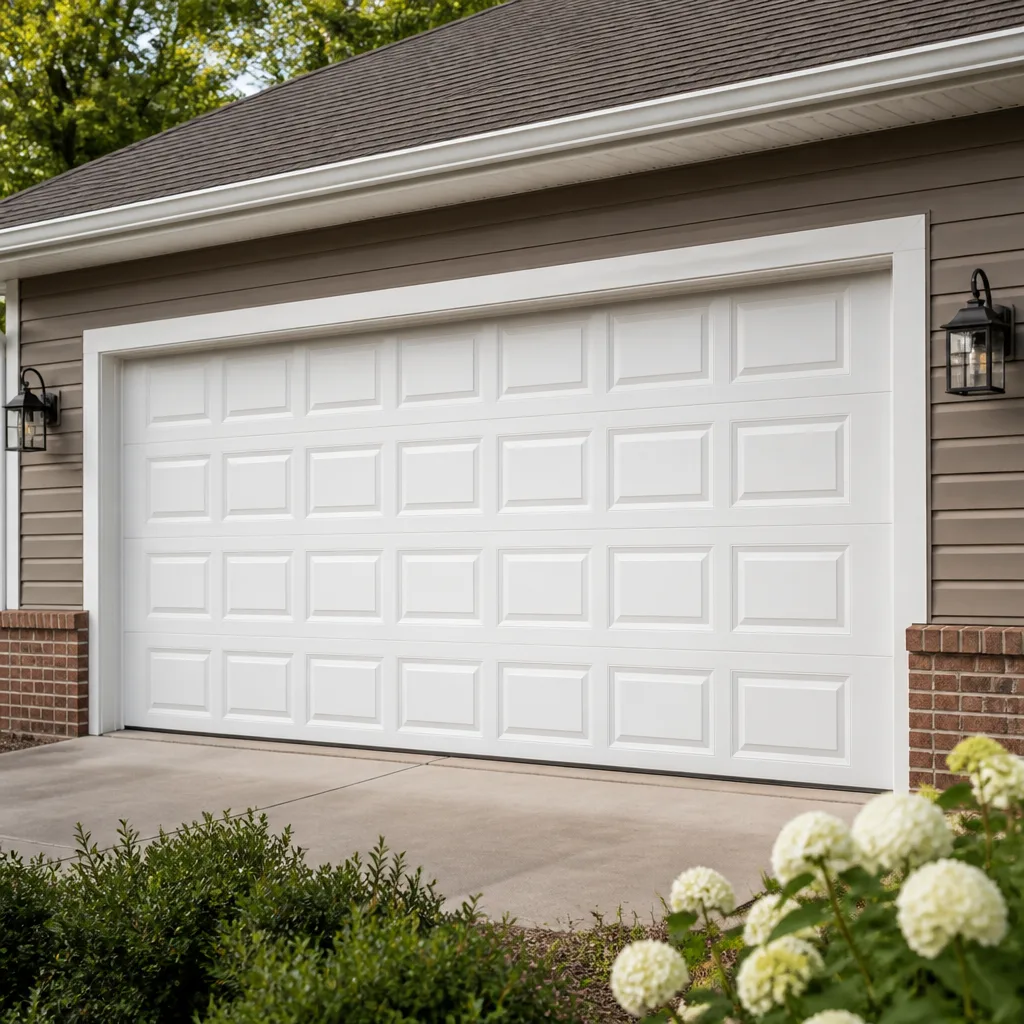 Raised-panel steel
 Carriage house
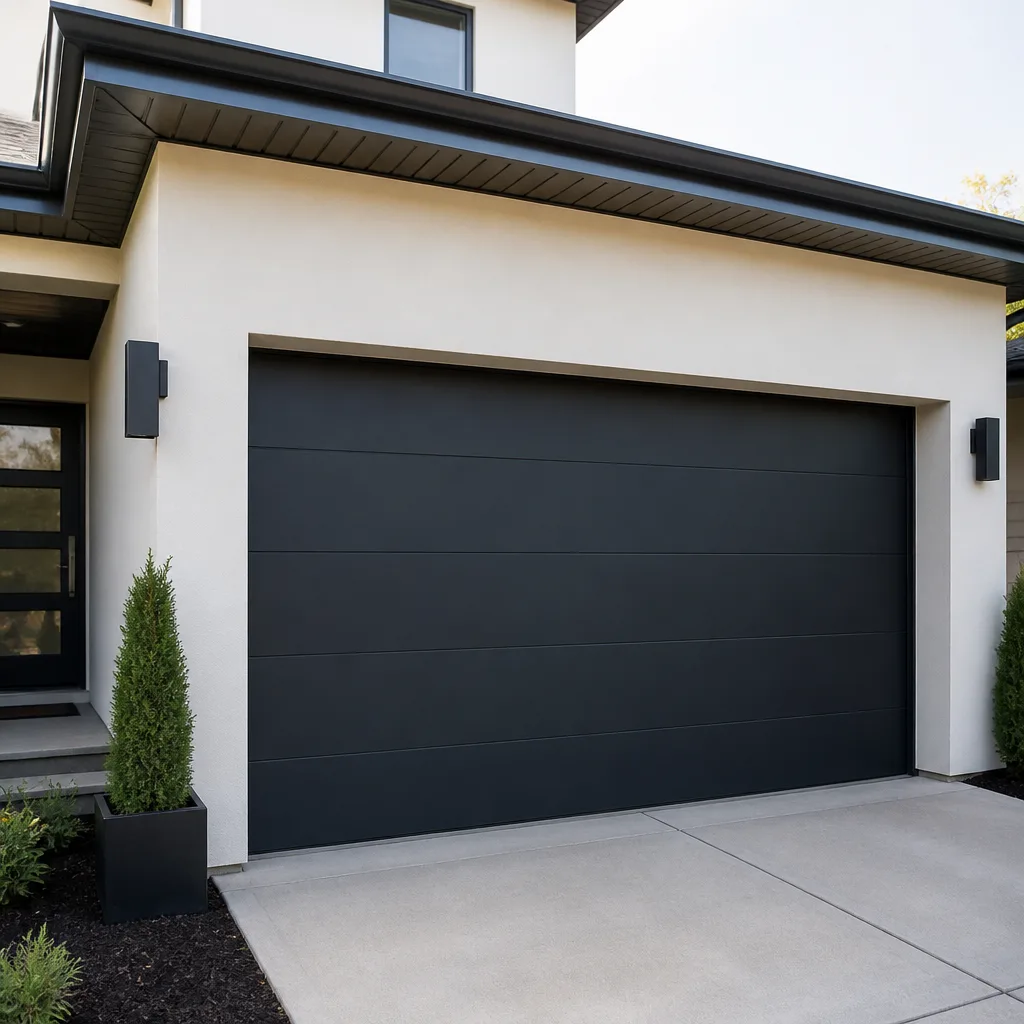 Modern flush
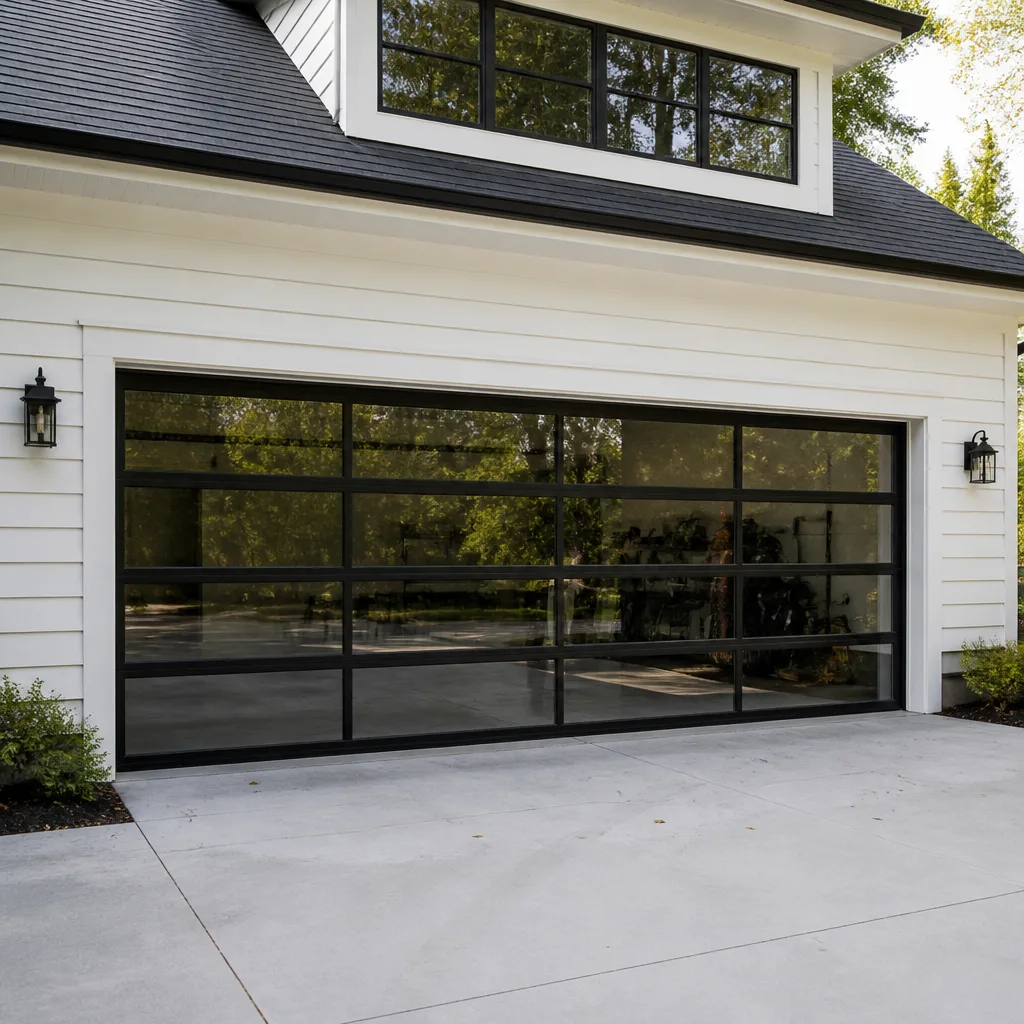 Full-view glass
 LiftMaster openers
 Chamberlain openers
Full 25-point door and opener safety check with every visit - springs, cables, rollers, tracks, and your LiftMaster or Chamberlain opener included
You get a price before we start. It does not change when the pro arrives.
Get your free estimateDIY vs Professional Garage Door: The Kenwood Homeowner’s Decision Guide
Most homeowners who ask whether they should fix their own garage door frame the question as a skill test. Can I handle this, or can’t I? That’s the wrong question. The garage door is the largest moving object in your house, and it runs on high-tension springs, a tracked counterweight system, and a motor wired into your home’s electrical. Some of that is genuinely simple work. Some of it is risky. A few tasks are dangerous enough that no YouTube tutorial makes them a good idea. What separates them isn’t your confidence level, it’s the physical risk of each task and what Florida rules require. This guide draws those lines for Kenwood homeowners, task by task, so you can decide honestly.
Quick Answer
Safe DIY garage door work is limited to things like lubricating moving parts, tightening visible bolts, and replacing a remote battery. Anything involving torsion or extension springs, cables, bottom brackets, panel replacement, or new door installation should go to a trained technician, because those parts hold stored energy that can cause serious injury when released incorrectly. In Florida, installing or replacing a door on an attached garage also brings wind-load and permit questions that a homeowner can’t answer alone, so most of the “DIY vs professional” decision comes down to which side of those two lines a task falls on.
Styles & brands we work with
- Raised-panel steel
- Carriage house
- Modern flush
- Full-view glass
- LiftMaster openers
- Chamberlain openers
Table of Contents
- Why the Decision Is About Risk, Not Skill
- Tasks That Are Safe to Do Yourself
- Borderline Tasks: DIY With Real Caveats
- Professional-Only Tasks and Why
- The Florida Rules That Change the DIY Math
- Parts Cost vs Technician Cost: An Honest Comparison
- Which Warranties DIY Work Voids
- When to Call a Professional
Why the Decision Is About Risk, Not Skill
Garage door repair looks like other home maintenance, but it behaves differently. Your door’s torsion spring holds the full weight of the door under tension even when the door is closed. That stored energy is what lets you lift a heavy door with one hand. It’s also why a spring that lets go unexpectedly is genuinely dangerous, and why spring work is treated as its own discipline rather than general handyman work.
Nationally, torsion spring replacement is linked to roughly 2,000 emergency room visits a year. Not because the people involved are careless. Because the task’s risk profile is different from almost anything else a homeowner touches. A person who has swapped outlets, patched drywall, and rebuilt a fence can still be badly hurt by a spring, because the failure mode is sudden and the forces involved are far larger than they expect.
That single fact reshapes the whole question. When we talk with Kenwood homeowners about whether to take something on themselves, we don’t start with skill. We start with two questions. What happens if this part releases or fails while you’re working on it? And what does the state require for this change?
The answers sort almost every garage door task into three buckets:
- Safe to do yourself: low-risk maintenance that doesn’t require opening the high-tension side of the door.
- Doable with caveats: tasks a careful homeowner can manage if they understand the specific risk and have the right tools.
- Professional-only: work where one mistake can injure you, damage the door, or break a code requirement.
The rest of this guide fills in those buckets. Being honest about where a task sits is not about selling you a repair, it’s about making sure the decision you make is a real one. Our own technicians have up to 8 years of experience, and even they handle spring work with a specific, unhurried routine. That tells you something about the category.
Tasks That Are Safe to Do Yourself
A meaningful portion of garage door upkeep really is homeowner-friendly. These jobs don’t touch the springs, the cables, or the door’s structural connections, and they’re the ones worth doing yourself if you’re so inclined.
1. Lubricating tracks, rollers, hinges, and the spring. Use a garage-door-rated lubricant, not general-purpose oil. Wipe down the track first, then apply a thin film to the hinges and roller stems. A door that groans or shudders is often under-lubricated, not broken.
2. Tightening visible bolts and hinge screws. Vibration loosens hardware over time. A socket set and a few minutes on a ladder will quiet most rattles. Don’t overtighten; snug is enough.
3. Cleaning the tracks. Grime and debris in the track cause the door to bind. A damp cloth and a stiff brush, then a light lubricant pass, sorts most track noise.
4. Replacing remote batteries and re-syncing remotes. This covers most “my opener won’t respond” moments. If a fresh battery and a re-sync don’t fix it, the problem usually isn’t the remote.
5. Adjusting the opener’s travel and force limits. Most openers have adjustment dials or screws on the motor housing, and the manual walks you through them. If the door reverses on the way down or stops short on the way up, this is often the fix. It’s a maintenance adjustment, not a repair, and it doesn’t touch the door’s tension system.
6. Clearing obstructions from the safety sensors. If the door closes partway and reverses, check the two sensors at the base of the track. Dust, cobwebs, or a knocked sensor are common culprits.
These tasks handle a lot of everyday annoyance. If your door is a Genie or a Clopay, the owner’s manual covers all of them, and we recommend keeping it in the garage for quick reference. None of these require special tools beyond a socket set, a screwdriver, and a ladder.
Borderline Tasks: DIY With Real Caveats
Some work is neither obviously safe nor obviously off-limits. These tasks sit in the middle: a capable homeowner can manage them, but only with the right tools, the right approach, and a clear read on what can go wrong.
Replacing roller wheels
Individual rollers are easy to swap, and the job is low-risk as long as you don’t release the door’s tension. The catch is that on many doors, replacing a roller means the door has to be lifted or the tension managed. If you’re not sure where your door’s tension sits, this is a task to leave alone. If you’ve done it once, the second time takes ten minutes.
Replacing weatherseals and bottom seals
A worn bottom seal lets water, debris, and pests into the garage, and replacing it is generally a homeowner-scale job. The genuine caveats are fitting the seal correctly so it contacts the floor evenly and, in Florida, choosing a seal product that works with your door’s wind-rated setup. A seal that doesn’t sit right can interfere with the door’s closing cycle.
Painting or refinishing a steel door
Cosmetic work is fair game, with one specific warning. Painting over hinges, rollers, or moving parts causes binding and can void a warranty if done without the manufacturer’s prep recommendations. Check the door’s finish guidance first. On a Wayne Dalton or Amarr door, the manual will tell you what prep and finish the manufacturer expects.
Replacing an opener’s light bulbs or housing
Simple. The only caution is working with the opener’s power disconnected, since you’re dealing with low-voltage wiring and a device wired into the home’s electrical system.
Sanding and painting a wood door
Doable, with an honest caveat about effort. Wood doors need prep, the right exterior paint, and care about moisture. If the door has warped or swollen, painting it won’t fix the structural issue.
What separates borderline from dangerous
Here is the honest self-assessment test. Ask yourself three questions before starting any borderline task:
- Does this task require me to release, hold, or move the door’s springs or cables?
- Does the task put my hands or body in the path of a part that could release suddenly?
- Does the task change anything structural or code-relevant about the door or its installation?
If the answer to any of those is yes, the task moves to the professional bucket. If all three are no, and you have the right tools, you’re probably fine. Notice the test isn’t about your confidence. It’s about the physical and legal shape of the task itself.
Professional-Only Tasks and Why
Some garage door work doesn’t belong in the borderline category, no matter how handy a homeowner is. These tasks carry real injury risk, need specialized tools, or require knowledge that only comes from working on doors regularly. Our garage door repair service is built around exactly these jobs.
Torsion and extension spring replacement
This is the highest-risk task on any garage door. A torsion system stores enough energy to break an arm or worse when it releases unexpectedly. Spring work also requires winding bars sized to your system, and a method for handling tension safely. Extension springs carry similar risk, and a broken one can whip free with force. We handle spring repair as a named service because it’s genuinely its own skill. No tutorial substitutes for hands-on training with the right tools.
Cable replacement
Cables transfer tension from the springs to the bottom corners of the door, and they’re under load in the same way. A cable that snaps can flail with enough force to cause serious injury, and a badly routed replacement can fail within days. This is a job for a technician, full stop.
Bottom bracket and hinge-load-bearing work
The bottom brackets and end hinges hold the cables and the door’s weight. Replacing them involves releasing and re-tensioning the spring system.
Panel replacement after impact
Swapping a damaged panel looks simple against the tutorial. In practice, a bent or new section has to align with the rest of the door, the tracks have to stay true, and the door has to stay balanced. An impact that damaged a panel often bent a track as well. A technician can tell you whether the door needs a panel or a full garage door installation.
Track alignment and door balancing
Out-of-true tracks cause binding, premature roller failure, and uneven door travel. Aligning them correctly requires measuring the door’s balance and understanding how the track relates to the structure. It’s detailed work, and it’s often the fix a homeowner can’t quite reach by adjusting from the outside.
Opener replacement and electrical work
Replacing an opener means removing an overhead unit, mounting a new one to the ceiling structure, and connecting it to household electrical. Some of that wiring is straightforward; some needs to meet electrical code. Get this one wrong and you can leave an overheating unit overhead or trip a breaker every time the door moves.
New door installation
This is the whole task of the door’s life plus a Florida-specific layer on top. Installation involves measuring the opening, mounting the track and brackets, balancing the door, and installing it in a way that meets wind-load requirements. If a door was installed incorrectly, you’ll usually find out during a storm, or during a home inspection.
The Florida Rules That Change the DIY Math
Florida-specific rules are why some of these tasks aren’t just a safety question but a legal one. If you’re searching for DIY vs professional garage door repair in Kenwood, FL, this is the section that most local guides leave out.
Permits and wind-load compliance
In most Florida jurisdictions, installing or replacing a garage door on a home requires a permit, and the door has to meet wind-load requirements tied to your home’s location. Wind-load compliance isn’t just about the door’s components, it’s about how the door is anchored to the structure. A door installed without that compliance can create a real problem at inspection or at sale, and it can complicate an insurance claim after storm damage. Florida has confirmed damage from wind-driven rain and inland wind events, and a garage door is one of the primary points where wind pressure enters a home. If you’re planning a door replacement, call your city’s building department and ask about the permit requirements before you buy anything.
Warranty terms
Many garage door manufacturers require installation by a trained professional for their warranty to be honored. If you install a Clopay or an Amarr door yourself, you may be giving up a warranty protection you paid for. Check the warranty document before you decide, not after. A warranty claim denied because of an installation you handled yourself is a hard cost to recover.
Insurance
After a wind event, insurers often ask who installed the door and whether the install met code. A permitted, code-compliant installation makes that conversation shorter.
What this means for the decision
Florida doesn’t make every garage door repair a permit issue. Routine repairs and maintenance are usually fine. But door replacement, track and structural work, and anything that touches wind-load compliance all have a legal dimension, and that dimension is a reason to bring in a professional. A local garage door specialist in Kenwood can tell you which category your repair falls into.
Parts Cost vs Technician Cost: An Honest Comparison
The cost comparison people usually want is simple: what does the part cost, and what does a technician charge? The honest answer is that the part cost is only part of the picture, and the labor isn’t just turning bolts. Here’s the comparison for the five most common repairs. Prices are typical estimates, and a written quote sets the final cost.
- Torsion spring replacement: A replacement spring is a modest part cost. The technician price covers the spring plus the labor, the winding bars, the tension checks, and the balance test. A matched pair is usually replaced together, so a pair costs about twice the single-spring figure. Typical single-spring pricing in the Kenwood area starts around a few hundred dollars and adjusts with the spring size and door weight.
- Cable replacement: Cable parts are inexpensive. The technician cost is in the safe handling, the re-tensioning, and confirming the door balances afterward.
- Roller replacement: Rollers are cheap parts. This is one the DIY crowd often handles themselves, and the cost gap is small enough that many homeowners skip it.
- Opener repair: Parts vary widely. A gear and sprocket kit is different from a logic board, and both are different from a new opener install. The written quote usually separates parts from labor so you can see what you’re paying for.
- Panel replacement: Panel cost depends on the manufacturer, the door style, and whether the panel is still in production. A newer door is often cheaper to repair. An older one may be hard to match, and that’s when a new door becomes the honest option.
The part you can’t see in a parts-and-labor table is warranty labor. When a technician replaces a spring and the door still isn’t balanced, the return visit is the technician’s problem, not yours. When you replace a spring yourself and the door still binds, the parts cost plus the second trip is yours. For high-tension work, the warranty on the labor is the value that’s hardest to price from the parts list.
If you’re replacing a whole opener or a door, the free estimate matters more than any comparison table. Our garage door opener repair estimates separate parts from labor so the price is clear before anything starts.
Which Warranties DIY Work Voids
Warranty voidance is the quietest risk in DIY garage door repair. It’s also one of the most expensive when it comes to a claim.
Installation warranties. Major manufacturers require installation by a qualified professional for their warranty to apply. If you install a Clopay, Amarr, or Wayne Dalton door yourself and the door fails early, the manufacturer can decline the claim. Check the warranty document before you buy the door, not after.
Opener warranties. Opener manufacturers often specify professional installation. A logic board failure six months after a self-install can run into a warranty question that’s hard to win.
Spring and part warranties. Component warranties often cover the part but not the labor. That’s the gap that matters most on spring work: the part may be covered, the labor isn’t, and the return visit is a separate cost.
How to check before you start. Read the warranty document that came with the door or opener. If it specifies professional installation, that’s your answer. When we work on a door, we check the manufacturer’s paperwork with you, because a warranty claim is easier to make when the documentation is right from the start. Our technicians are familiar with the brands that come up most in Kenwood garages, including Genie, Clopay, Amarr, and Wayne Dalton, so we know what each one expects.
See the difference
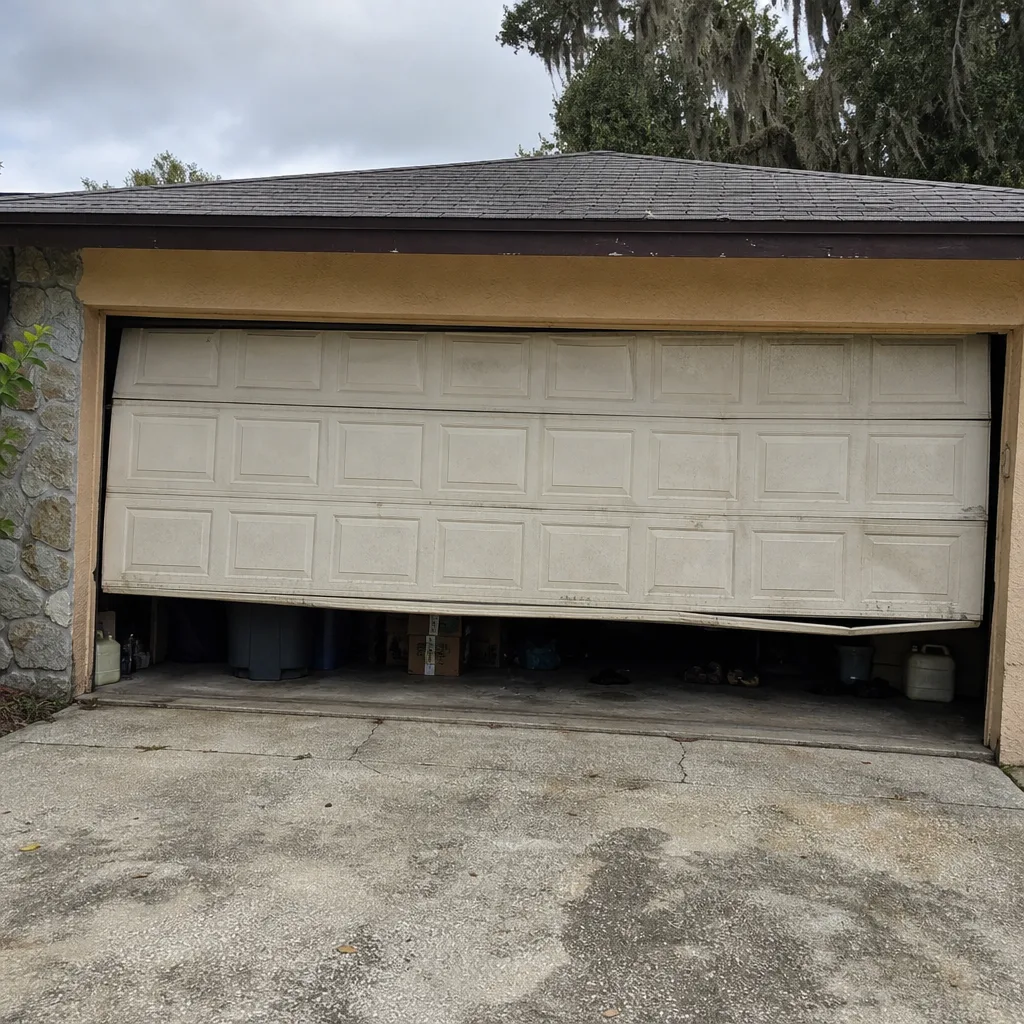 Before
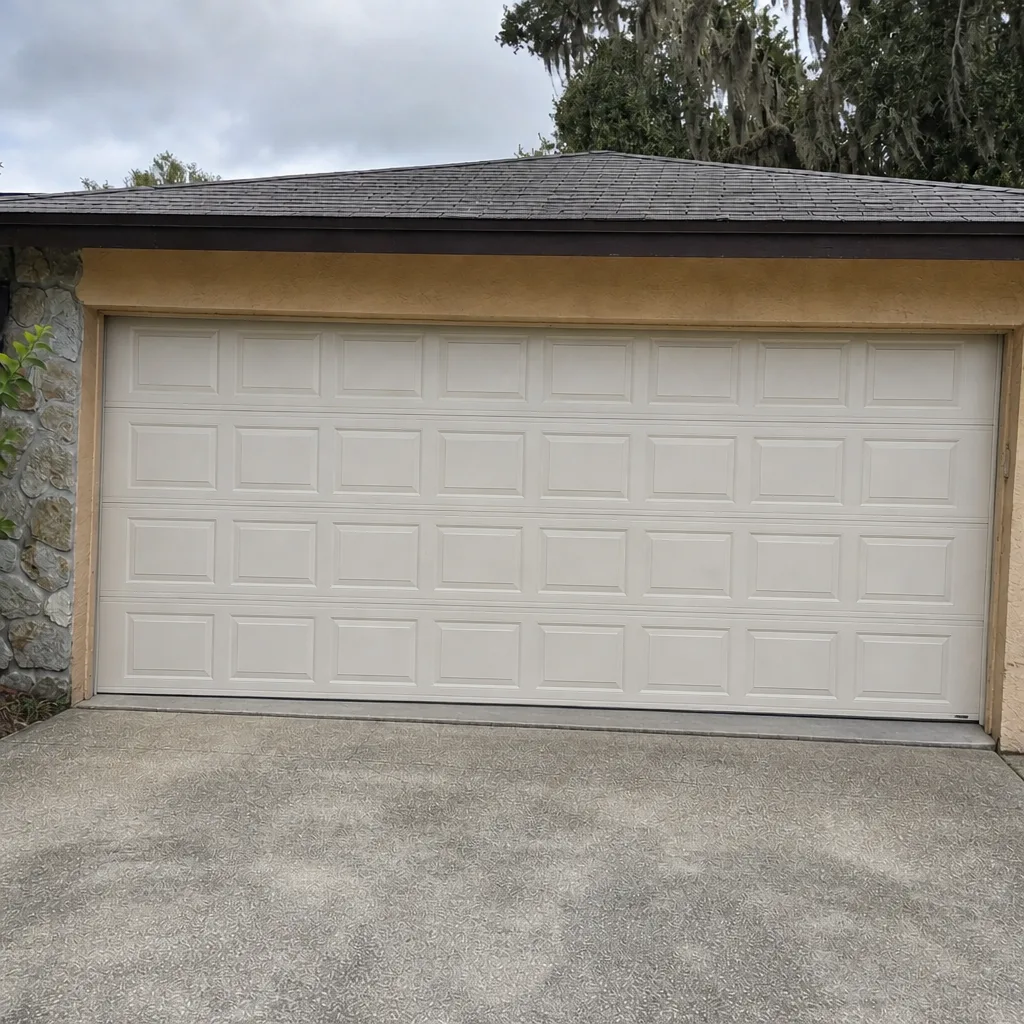 After
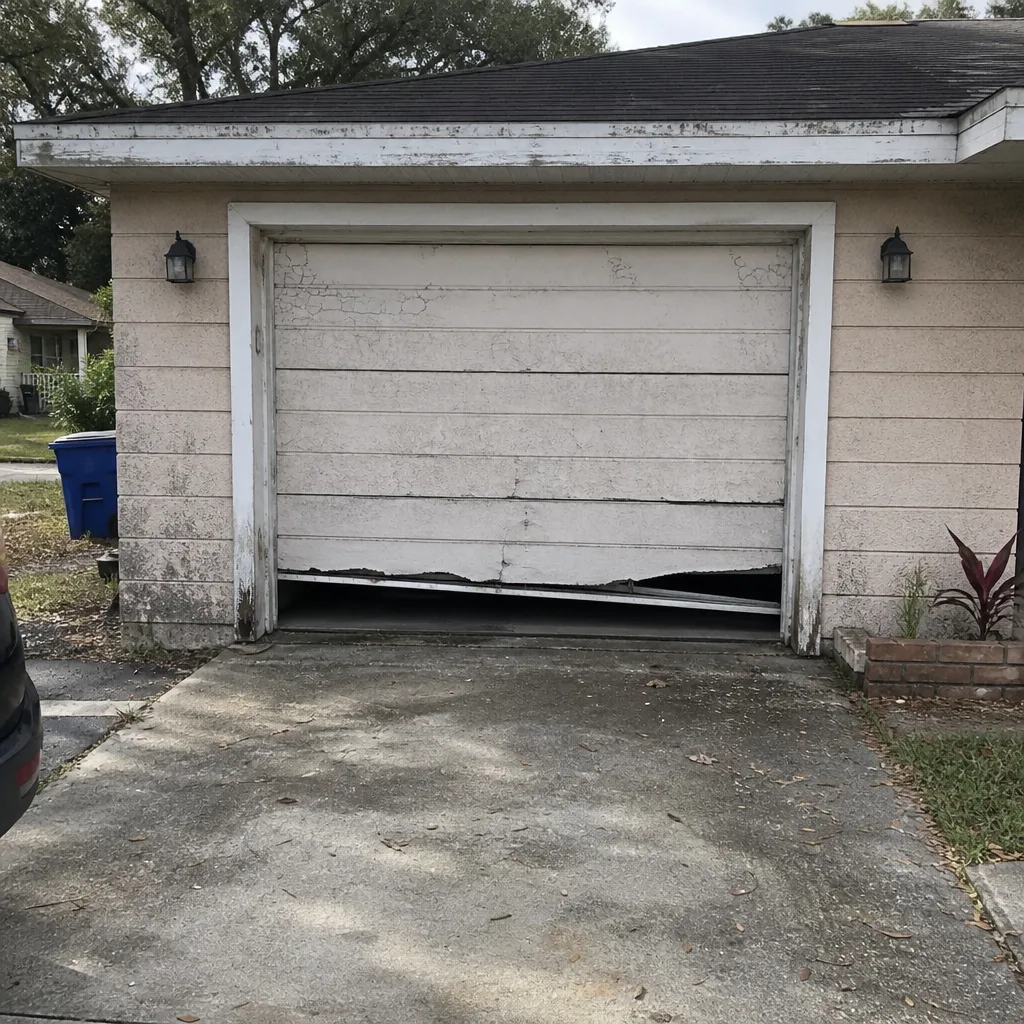 Before
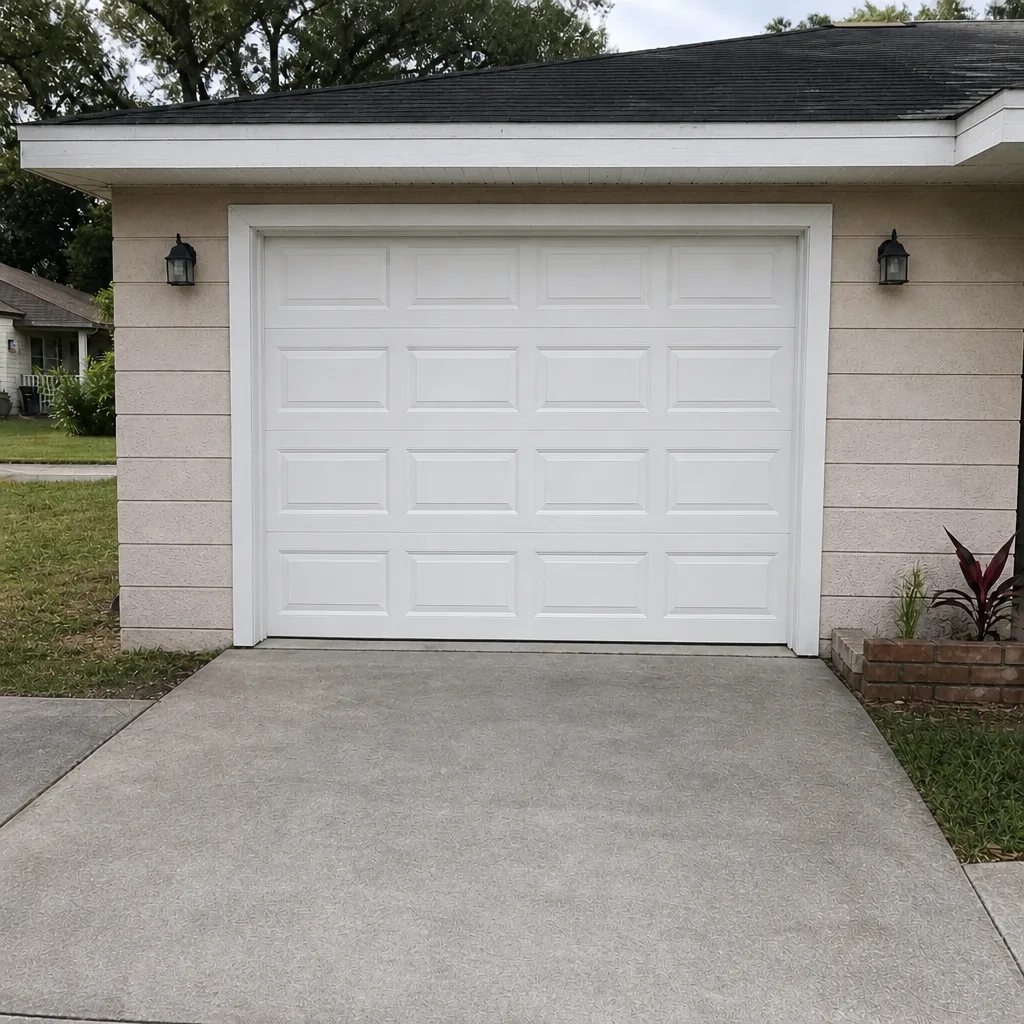 After
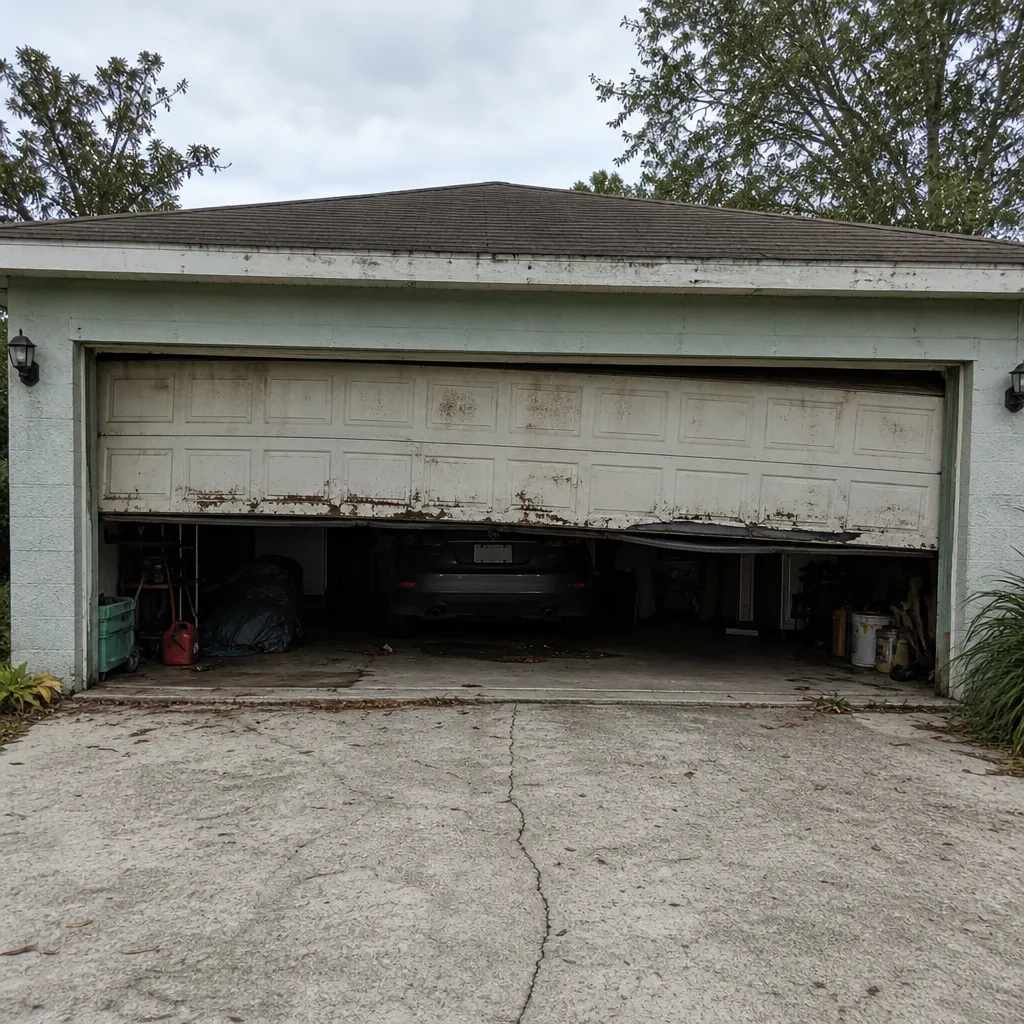 Before
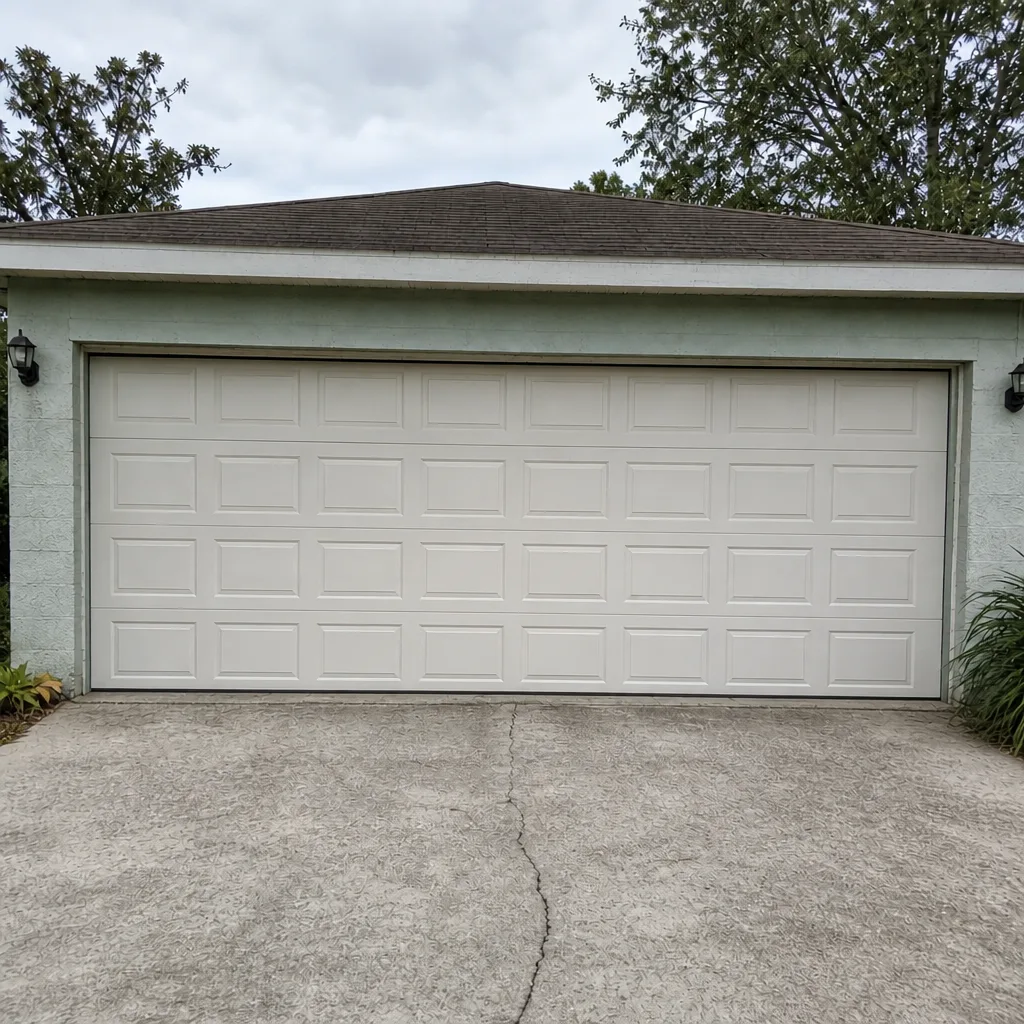 After
Common Mistakes to Avoid
- Treating a torsion spring like a heavy DIY swap. People assume because they’ve replaced heavy parts before, a spring is the same. It isn’t. The stored energy releases without warning, and there’s no slow-failure version of a spring letting go.
- Buying a new door before checking permit requirements. In Florida, a new door usually needs to meet wind-load rules and a permit. Buying first and asking later can leave you with a door you can’t legally install.
- Assuming a new part will fit an older door. Manufacturer styles and panel profiles change. A replacement panel that looks identical in a photo may not match, and that’s the point where a technician can tell you what’s available.
- Adjusting the force limits to compensate for a binding door. Turning up the opener’s force to push past the bind hides the cause and wears out the opener faster. It doesn’t fix the door.
- Painting over hinges and rollers. A door that was fine last month suddenly sticks, and nobody connects it to the paint. Mask the moving parts and follow the door manufacturer’s finish recommendation.
- Running the door by hand without checking the balance. If the door is hard to lift manually, the tension is off, and the opener is working harder than it should. Balance is the first thing to check.
- Ignoring the manufacturer’s installation warranty language. A self-installed door or opener can lose warranty coverage you assumed was part of the purchase.
When to Call a Professional
Call a professional when the task involves springs, cables, bottom brackets, tracks, structural connections, a new door, or a permit. Call more urgently when the door won’t move, is off its track, won’t close properly, or a spring has visibly broken. A door that won’t close is a security and safety issue, not just an inconvenience, and it’s a case where waiting rarely helps. Garage Door Repair Kenwood offers free estimates in Kenwood. Our emergency service is a core part of what we do, and we’re open Sunday through Friday, 7am to 7pm, and closed Saturday. Call (844) 699-3427 for a free estimate. The written quote is agreed before any work begins.
Frequently Asked Questions
No. Torsion and extension springs store enough tension to cause serious injury when released unexpectedly, and spring work is the highest-risk task on the door. It also needs winding bars and a careful procedure that no tutorial fully substitutes for. Leave spring replacement to a trained technician and call (844) 699-3427 for a free estimate.
Most Florida jurisdictions require a permit for a new door, and the door usually has to meet wind-load requirements tied to your home’s location. Handling installation yourself is possible in theory, but the permit and wind-load side is where DIY installations run into trouble. Call your city’s building department to confirm the requirements, then call (844) 699-3427 for a free estimate.
Anything involving springs, cables, bottom brackets, or track alignment should go to a technician. Those parts carry stored energy or hold the door’s weight, and a mistake can injure you or damage the door. Panel replacement and new installations are also professional work in most cases.
Often yes. Many manufacturers require professional installation for their door and opener warranties to apply. Read the warranty document before you start. If it names professional installation, that settles it. For warranty questions in Kenwood, call (844) 699-3427 – estimates are free.
Spring prices vary with the spring size and your door’s weight, so a written quote sets the final price. A matched pair is usually replaced together, which costs about twice a single spring. Our technician pricing covers the spring, the labor, the tension checks, and the balance test. Call (844) 699-3427 for an exact quote – estimates are free.
No. We’re closed Saturday and open Sunday through Friday, 7am to 7pm. If your door fails and you’re reading this on a Saturday, call (844) 699-3427 and we’ll book you for the next Sunday through Friday slot. Our emergency garage door service is a core part of what we do within those hours.
The Bottom Line
The DIY versus professional question for a garage door isn’t really about how handy you are. It’s about which tasks carry physical risk, which ones run into Florida permit and wind-load rules, and which ones void a warranty you paid for. Lubrication, tightening, sensor clearing, and battery replacement are safe to handle yourself. Springs, cables, tracks, and structural work belong to a technician. A new door in Florida is all three of the professional-only lines at once. See our Garage Door Repair Kenwood service if you want a straight read on which side of the line your repair sits.
Call (844) 699-3427 for a free estimate. We’re open Sunday through Friday, 7am to 7pm and closed Saturday. Our technicians have up to 8 years of experience, and we work on your brand, whether it’s a Genie, a Clopay, an Amarr, or a Wayne Dalton. One call covers the full door lifecycle, from spring repair to emergency service.
Written by the team at Garage Door Repair Kenwood.