Last updated November 22, 2026
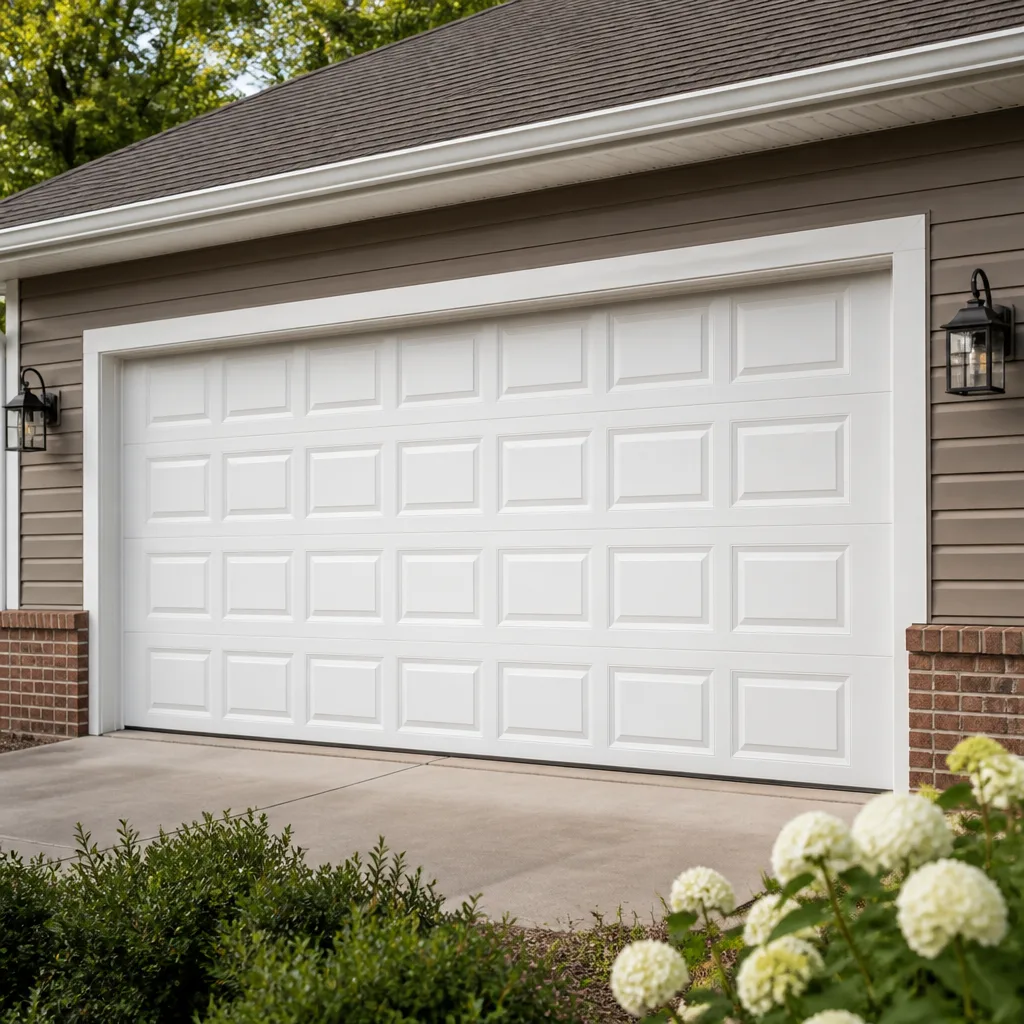 Raised-panel steel
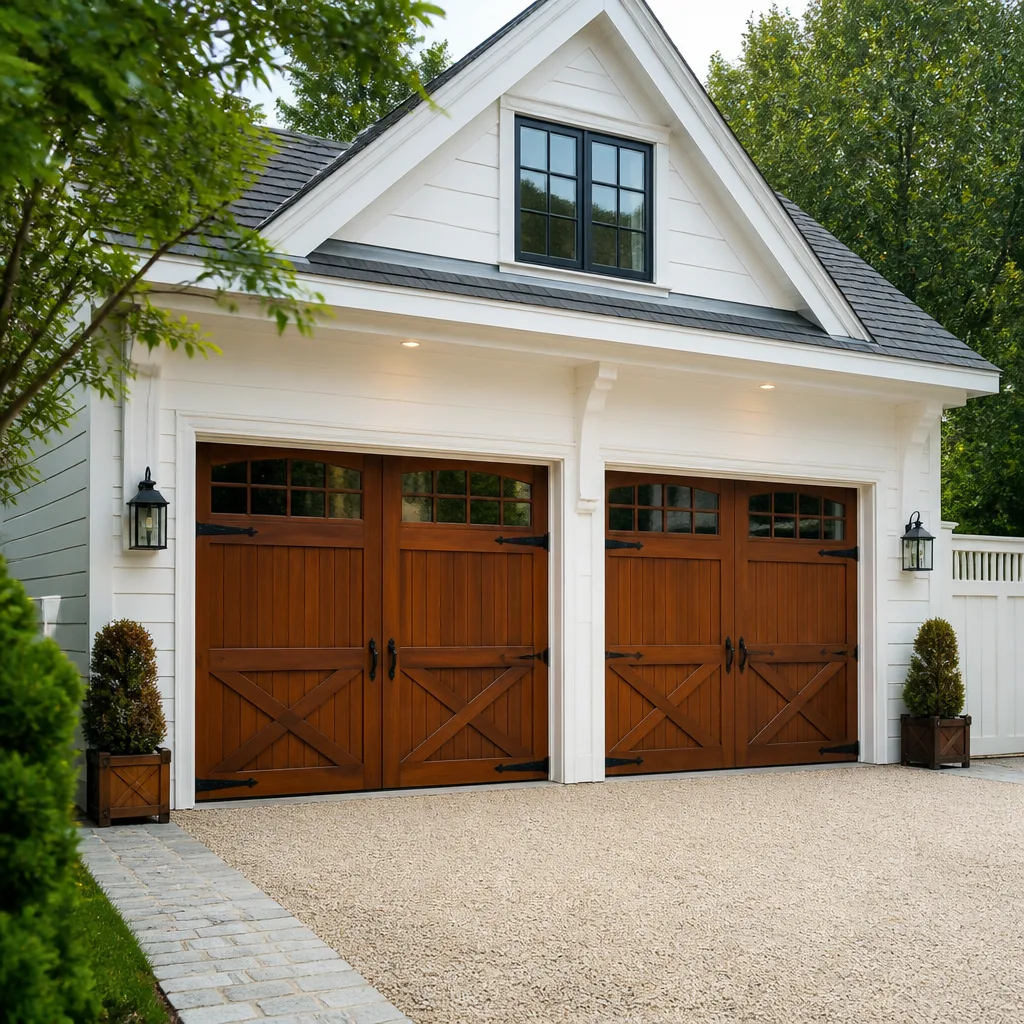 Carriage house
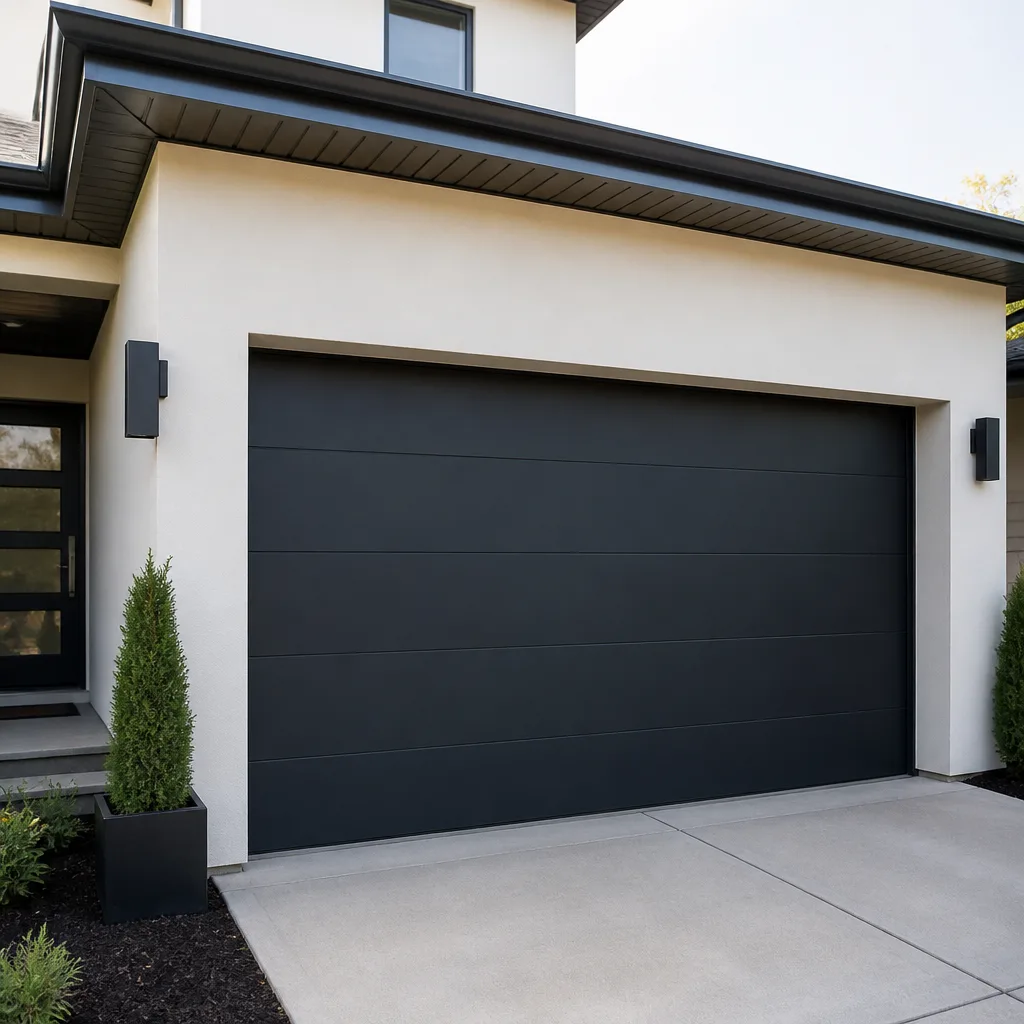 Modern flush
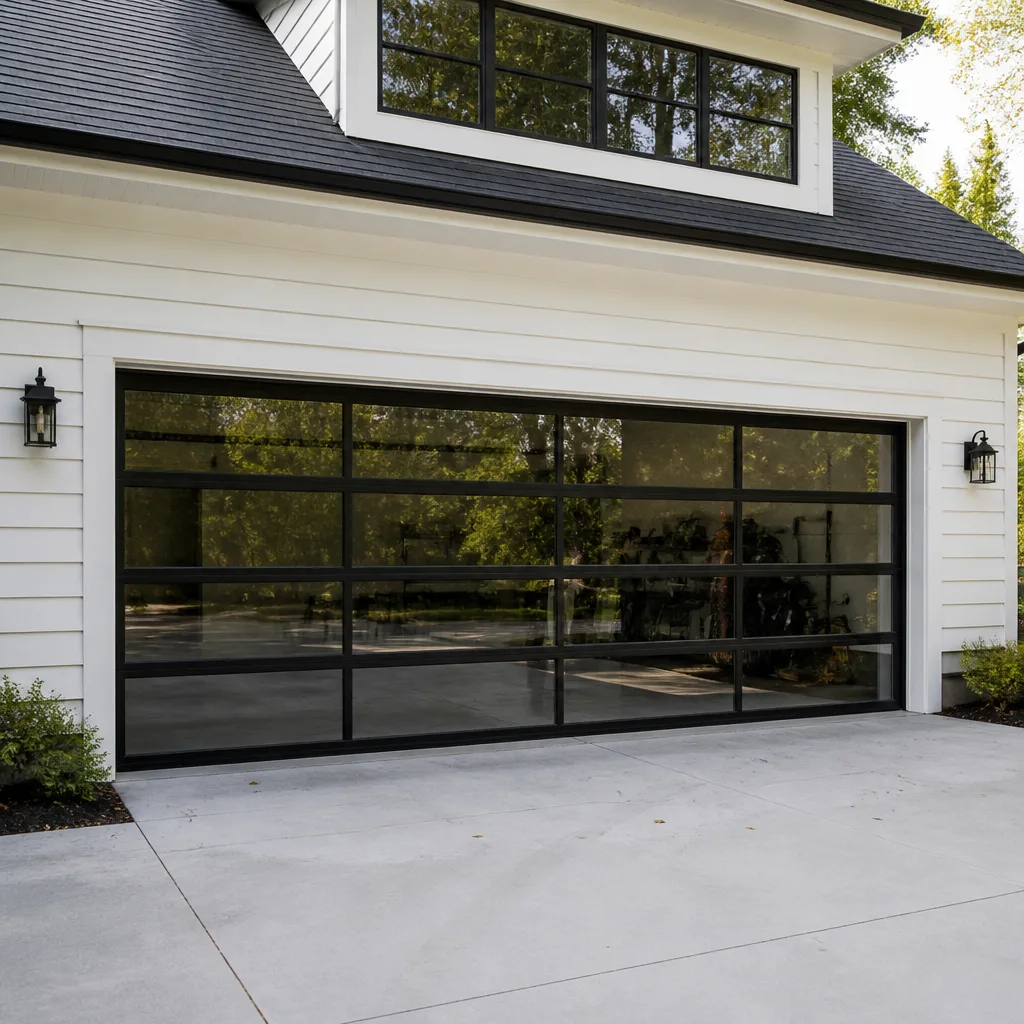 Full-view glass
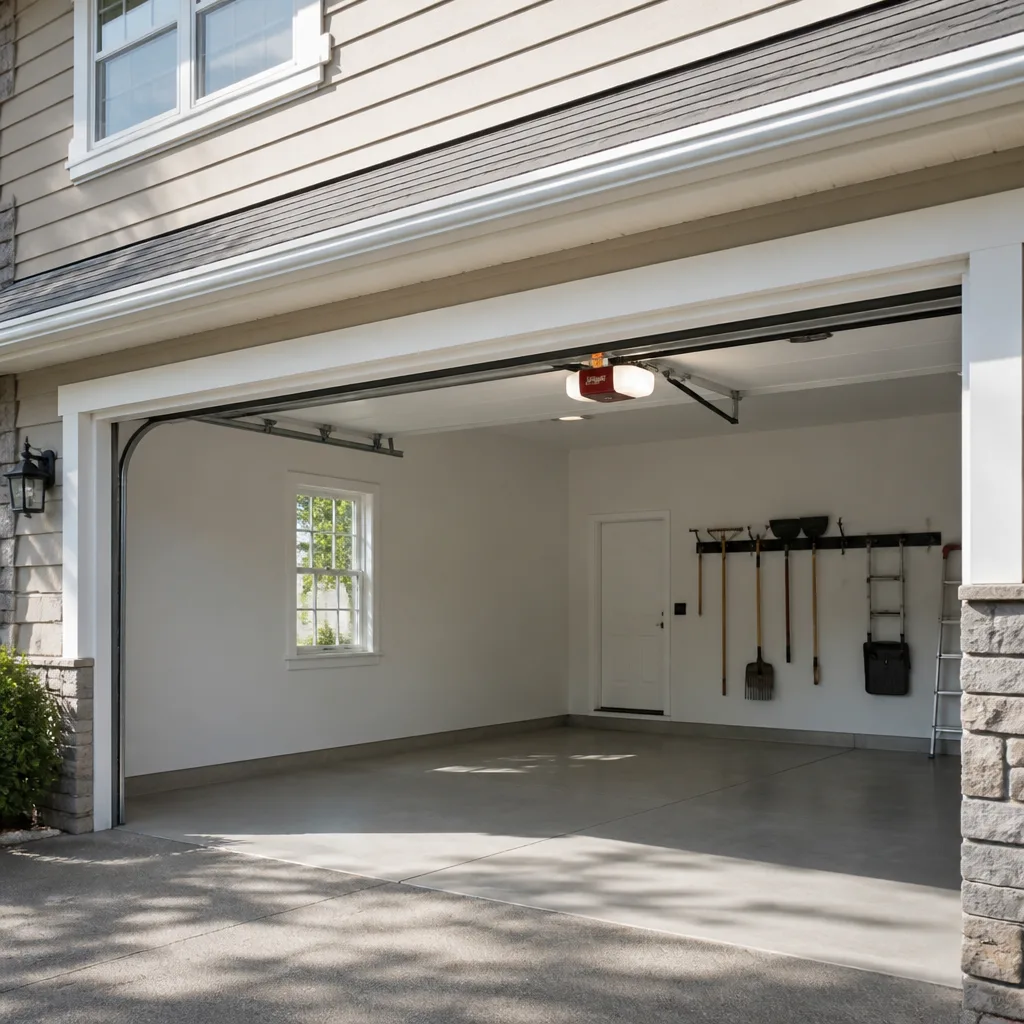 LiftMaster openers
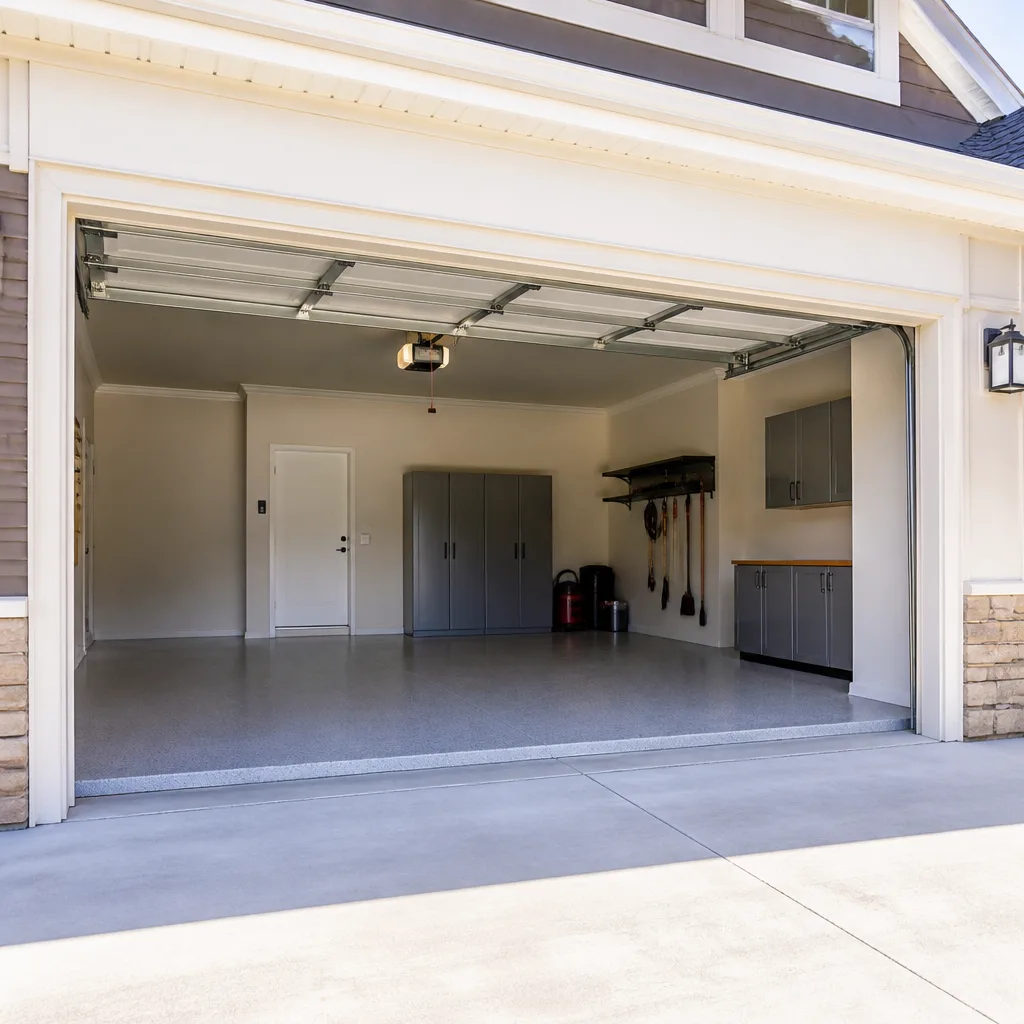 Chamberlain openers
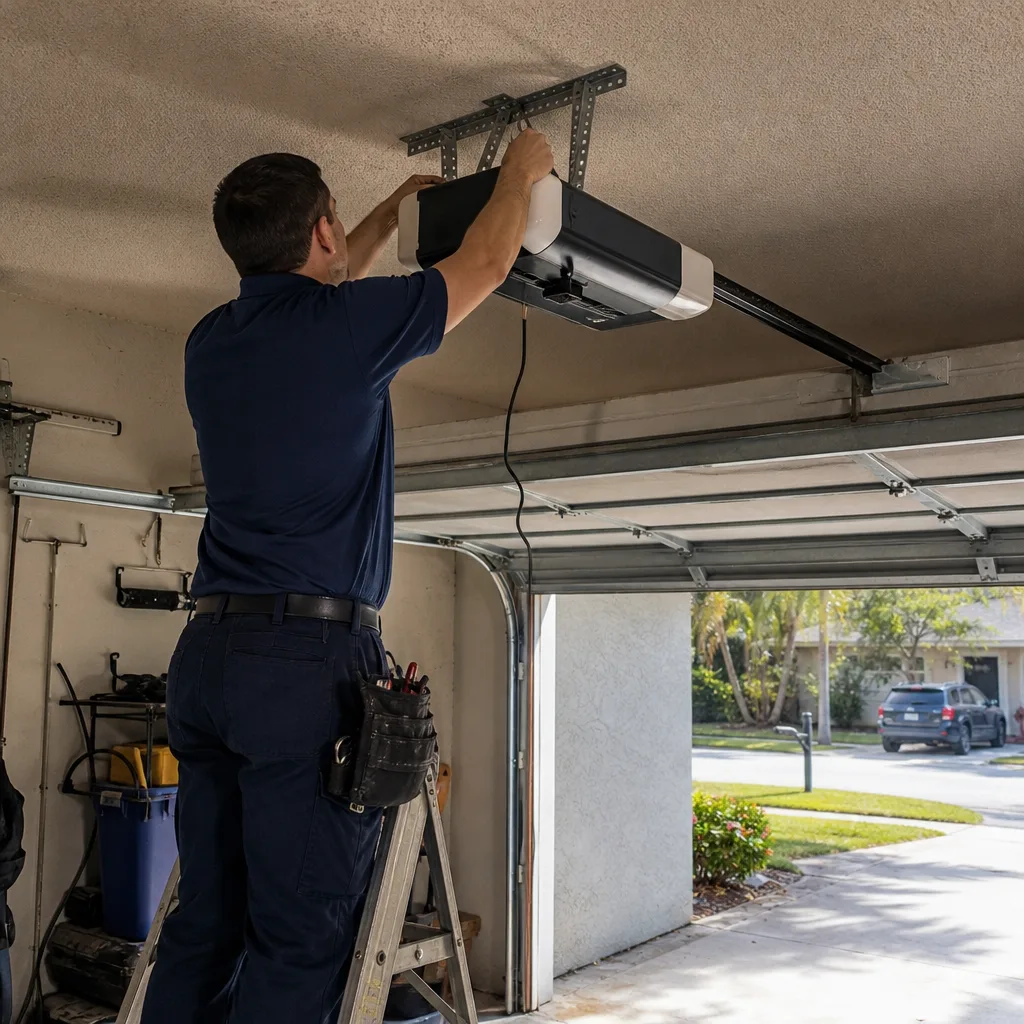
Full 25-point door and opener safety check with every visit - springs, cables, rollers, tracks, and your LiftMaster or Chamberlain opener included
You get a price before we start. It does not change when the pro arrives.
Get your free estimateHow to Hire a Garage Door Contractor in Kenwood: A Step-by-Step Guide
Most homeowners hire a garage door contractor the way they hire a plumber: the door breaks, they call the first number that answers, and they hope. That approach works fine for a clogged drain. It doesn’t work for a garage door, because the two things that fail most often on a door – springs and openers – are the two things that attract the least qualified people. Florida has a well-documented problem with unlicensed contractor activity, and garage door work sits in a regulatory gray zone where some tasks legally require a licensed contractor and some don’t. That gray zone is where bad operators live.
This guide walks through a vetting process you can run before anyone sets foot in your garage. You’ll learn how to check a Florida license, what to ask on the phone, how to read an estimate line by line, and what a real written warranty looks like. It’s written for Kenwood homeowners who want the job done once, correctly, without paying for parts they don’t need.
Quick Answer
To hire a garage door contractor in Kenwood, verify the contractor’s Florida license through the DBPR license lookup before you book, ask five specific questions on the phone (license number, insurance, whether they diagnose or just replace, what brands they work on, and what the written warranty covers), and compare at least two written estimates line by line. Any contractor who won’t give a license number, won’t put the warranty in writing, or quotes a price over the phone without seeing the door is a contractor you should skip.
Styles & brands we work with
- Raised-panel steel
- Carriage house
- Modern flush
- Full-view glass
- LiftMaster openers
- Chamberlain openers
Table of Contents
- Why Hiring a Garage Door Contractor in Kenwood Is Different
- Step 1: Verify the Florida License Through DBPR
- Step 2: The Five Phone Questions That Filter Out Bad Operators
- Step 3: How to Read a Garage Door Estimate Line by Line
- Step 4: Watch for Post-Storm Contractor Surges
- Step 5: What a Real Warranty Looks Like in Writing
- Step 6: Match the Contractor to Your Equipment
- When the Work Is Genuinely Dangerous
Why Hiring a Garage Door Contractor in Kenwood Is Different
Kenwood sits in a part of Florida where the garage door works harder than it does in most of the country. The heat and humidity here are relentless for a big chunk of the year, and that shows up in the equipment. Steel door panels expand and contract through daily temperature swings, and the factory finish takes a beating from UV exposure. Wood-look composite and genuine wood doors need more attention than they would in a drier climate. Opener motors run hotter in an uninsulated garage, which shortens the life of the capacitor and the logic board. None of this is dramatic. It’s just wear, and it happens faster here than a manufacturer’s general guidance assumes.
Then there’s the housing stock. Kenwood has a mix of older homes with original doors and newer construction with builder-grade openers installed at scale. Both present the same problem: the equipment is fine until it isn’t, and the failure usually happens on a schedule nobody planned for. A door that’s been cycling twice a day for years will eventually need springs. An opener from a tract build will eventually need a gear or a board.
The reason this matters for hiring is that a contractor who knows Florida wear patterns can tell you what’s likely to fail next and what’s fine for another few years. A contractor who doesn’t will sell you whatever’s easiest to install. In Kenwood, the difference between those two people shows up in the estimate, and you can spot it if you know what to look for.
Step 1: Verify the Florida License Through DBPR
Start with the license, before the phone call. Florida’s Department of Business and Professional Regulation (DBPR) runs a public license lookup at myfloridalicense.com. You can search by the business name, the individual’s name, or the license number. It takes two minutes and it eliminates a whole category of contractor from your list.
Here’s where garage door work gets murky. Florida regulates contractors in categories – general, building, residential, and specialty – and garage door installation and repair doesn’t always fall cleanly into one of them. Some garage door work is treated as a specialty trade. Some of it, particularly when it involves structural modification to the opening or the framing, is treated as general or building contracting. Spring replacement and opener repair, which are mechanical component replacements rather than structural work, often fall outside the strict licensing requirements that govern new construction.
That ambiguity is exactly why unqualified operators can work legally in some situations and illegally in others, and why you can’t trust a business card that says “licensed” without checking what the license actually covers. Ask the contractor for their license number and check it in the DBPR portal yourself. Confirm three things:
- The license is active, not expired or suspended. DBPR shows status, and a lapsed license is a real risk.
- The license type matches the work. A residential contractor license doesn’t automatically mean the holder is qualified for garage door specialty work, and vice versa.
- The name on the license matches the business quoting you. Subcontracting a licensed name onto an unlicensed crew is a common workaround, and the license won’t protect you if the crew on site isn’t covered.
If a contractor can’t produce a license number for the work being quoted, ask what category of work they’re performing and whether it requires licensure. A straight answer is a good sign. Deflection isn’t. For straightforward component replacement like garage door repair, the licensing question is often simpler than for a full opening rebuild, but the verification habit should be the same either way.
Step 2: The Five Phone Questions That Filter Out Bad Operators
The phone call is your best filter, and it works because the questions are hard to fake. Ask all five before you schedule anything. The answers tell you more than any website will.
- “What’s your license number, and what does it cover?” A real contractor gives it without hesitation. Evasion, a vague “we’re fully licensed,” or a number you can’t find in DBPR are all red lights. Write the number down and check it.
- “Are you insured, and can you send a certificate of insurance?” A legitimate operator carries general liability and, ideally, workers’ compensation. Ask for the certificate before work starts. If they say they’ll bring it on the day, that’s a soft no.
- “Do you diagnose the problem, or do you replace parts until it works?” This is the single most revealing question. A technician who diagnoses will ask you what the door is doing, how old it is, and what brand the opener is before quoting anything. A parts-swapper quotes a spring replacement before asking whether the spring is actually the problem.
- “What brands do you work on?” If they only work on one brand, and yours isn’t it, that’s a problem. The better answer is a list of brands they’re familiar with because they’ve worked on the equipment rather than installed it. We work on LiftMaster, Chamberlain, Genie, Clopay, Amarr, Wayne Dalton, Craftsman, and Raynor, and the reason that matters is that a technician who knows Clopay door geometry and LiftMaster opener logic will diagnose your door faster than someone learning it on your dime.
- “What does your warranty cover, in writing?” Ask them to describe it. If the answer is “we stand behind our work,” ask what that means in months and what it covers – labor, parts, or both. Get it in an email before the appointment.
One more thing to listen for: how they talk about the price. A contractor who quotes a firm number before seeing the door is guessing, and the guess usually changes once they’re in your garage. A free estimate that requires looking at the door first is the honest answer, and it’s what you should expect in Kenwood.
Step 3: How to Read a Garage Door Estimate Line by Line
The estimate is where the real money gets decided, and it’s where inflated part markups and unnecessary replacements hide. Get at least two written estimates – verbal quotes aren’t estimates, they’re conversation – and read them in this order.
Look at the parts first. A spring replacement for a torsion spring system typically runs $180 to $340 for a single spring on a standard residential door. A matched pair is usually replaced together, so a pair costs about twice that. If you see a single spring quoted at $500 or a pair at $900 with no explanation, ask what’s included. Sometimes there’s a reason – an unusual door size, a non-standard spring, an insulation upgrade – but a markup that large needs a reason attached to it. The same logic applies to openers: a lift and install on a new belt-drive opener sits in a normal range, and a quote for the same unit that’s triple the other estimates is worth questioning.
Check the labor line separately. Some estimates bundle labor into the parts price. That’s not automatically wrong, but it makes comparison impossible, and it hides where the markup is. Ask for labor broken out, even if it’s a flat rate.
Watch for replacements that aren’t justified. The most common one is a full door replacement quoted for a door that needs a panel or a roller. Another is a complete opener replacement when the problem is a $30 gear. If an estimate recommends replacing something, ask what the diagnosis found and how they ruled out the cheaper fix. A technician with real diagnostic depth can explain the reasoning; a salesperson can’t.
Read the two lines every estimate needs. The written estimate should state a total and state clearly that the price is quoted and agreed before any work starts. That second part is what protects you from the invoice problem, where the final bill is bigger than the quote because “we found more once we got in there.” If the estimate doesn’t say the price is fixed, ask them to put that in writing. If they won’t, walk.
Step 4: Watch for Post-Storm Contractor Surges
Florida’s storm seasons bring out a specific kind of contractor: out-of-state crews operating temporarily, often without a local license, who show up with printed flyers and a truck and disappear once the immediate damage work is done. Garage doors get swept into this because a damaged panel or a door that won’t close is an obvious problem after a wind event, and the work looks simple enough to sub out.
These crews aren’t all bad, but the accountability structure around them is. A temporary operator has no local reputation to protect after the job. Their warranty is verbal, their local address is a hotel, and if the spring they installed fails in six months, you have no realistic path back to them. The trap is that their bid is often lower than the local competition because they’ve got no overhead and no follow-up costs.
Three things to do during storm season:
- Check the license’s effective date and address. DBPR shows both. A license tied to an out-of-state address with a recent effective date is a reason to ask more questions, not an automatic disqualification.
- Ask where warranty service happens. “We’ll come back” means little if the crew is gone by the next month. Get a local contact and a written warranty.
- Compare against a local baseline. A local estimate gives you a reference point. In Kenwood, we offer free estimates and a written price before work starts, and that assumes the door is inspected first, not quoted over the phone.
The broader rule is simple: storm damage is a genuine reason priorities shift, but it’s not a reason to skip the vetting steps. If anything, the surge makes them more important.
Step 5: What a Real Warranty Looks Like in Writing
A warranty is a document, not a sentence. Verbal assurances evaporate the moment the contractor’s calendar fills up or the crew rolls out of town, and the homeowner is left holding a broken spring and a phone number that goes to voicemail.
A legitimate written warranty in the garage door trade typically covers three things, and you should see each one addressed:
- Parts. The manufacturer’s warranty on springs, openers, panels, or hardware should be documented and passed to you, not retained by the contractor. Ask for the manufacturer documentation on the specific part.
- Labor. A labor warranty is the contractor’s own promise on the installation or repair. It should state a period and what triggers it. Spring labor warranties in the trade usually run somewhere in the range of months to a year, and opener install labor similar. Get the number, not the word “warranty.”
- What’s excluded. A real warranty states the exceptions, because a warranty that covers everything is a warranty that means nothing. Read the exclusions. Understand what would void it.
Here’s the practical test. Ask the contractor to email you the warranty terms before the job. A real one can be produced in minutes. A verbal-only contractor won’t have it, because it doesn’t exist. And if the warranty appears only after the work is done, read it before you pay. A warranty written after the work is a warranty shaped by whatever the contractor thinks you’ll accept.
The written estimate and the written warranty are the two documents that separate a professional operation from a fly-by-night one. If both are in hand before the door is touched, you’ve already avoided most of the ways this goes wrong.
Step 6: Match the Contractor to Your Equipment
Garage doors aren’t a uniform product, and the parts inside them aren’t either. A technician who works on one brand all day will be slower and more likely to misdiagnose on a brand they don’t see often. Matching the contractor’s experience to what’s actually in your garage is one of the most overlooked steps in the hiring process.
The main residential brands you’ll find in Kenwood garages are Clopay, Amarr, Wayne Dalton, Craftsman, LiftMaster, Chamberlain, Genie, and Raynor. Each has its own quirks – panel profiles, spring sizing conventions, opener logic, remote programming. A Clopay door’s spring system isn’t specified the same way a Wayne Dalton’s is, and a Craftsman opener from a chain-drive era behaves differently than a modern smart opener. When you’re reading an estimate, ask specifically what brand the parts are for and whether the technician has installed that brand before. A generic “we can install anything” is technically true and practically useless.
Brand familiarity matters most on the two failure points. On the door side, garage door installation and panel replacement require the right parts spec, and a mismatched spring will fail prematurely. On the opener side, garage door opener repair on a smart-integrated unit is a different job than on a legacy mechanical one, and a technician comfortable with both will tell you which you have and what’s actually failing. If a contractor handles only one ecosystem, ask how they’ll diagnose a problem in the other.
When the Work Is Genuinely Dangerous
Most of this guide is about licensing and pricing, but there’s a safety line that matters more than any of it. Garage door springs are high-tension components. A torsion spring under load stores a significant amount of energy, and releasing it without the right tools and training can cause serious injury. This isn’t a scare tactic; it’s the reason spring replacement is a named specialty service rather than a general handyman task. Cable tension, bottom bracket work, and the spring system itself all carry similar risk.
What that means for hiring: don’t let price alone decide on spring or cable work. A contractor who’s comfortable handling high-tension components will describe the diagnosis, explain what’s being replaced and why, and won’t suggest a shortcut. If a quote is dramatically lower than the others for spring work, ask what’s being skipped. It’s usually something that matters. The same caution applies to any work on the opener’s electrical components, which should be done with the power off by someone trained to do it.
You can inspect the door yourself safely – look at the springs, watch the door travel, listen for grinding – but the actual replacement is a professional job. That’s the line, and it’s worth holding to even when the quote feels high.
Common Mistakes to Avoid
- Hiring on price alone. The lowest bid on a garage door repair is often the one with the most skipped steps and the shortest warranty. Get two or three estimates and compare line by line, not just the total.
- Accepting a quote over the phone. A firm price before anyone has seen the door is a guess, and the guess changes once the technician is in the garage. Insist on a free estimate based on an actual inspection.
- Skipping the DBPR check. It takes two minutes and it’s the single most effective filter against unlicensed operators, especially during storm season surges.
- Trusting a verbal warranty. If it isn’t written and emailed before the job, it doesn’t exist. Get the terms in hand.
- Letting a parts-swapper diagnose the door. A technician who names the fix before asking what the door is doing is guessing. The diagnosis should come before the quote.
- Forgetting to ask about brand familiarity. A technician who works on your specific brand will be faster and more accurate. Ask what brands they work on and whether they’ve worked on yours.
- Assuming all spring work is the same. Springs are high-tension components. A contractor who doesn’t treat them that way is one to walk away from, no matter what the quote says.
See the difference
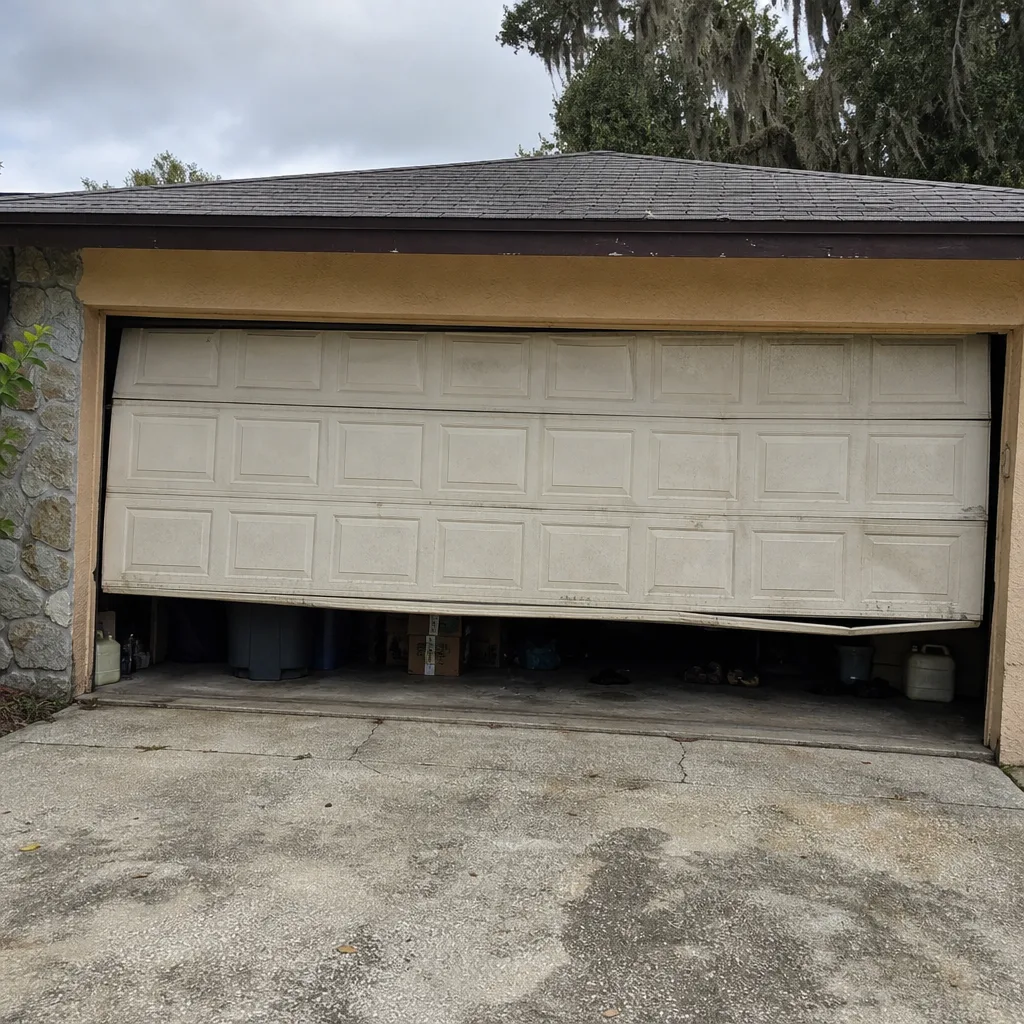 Before
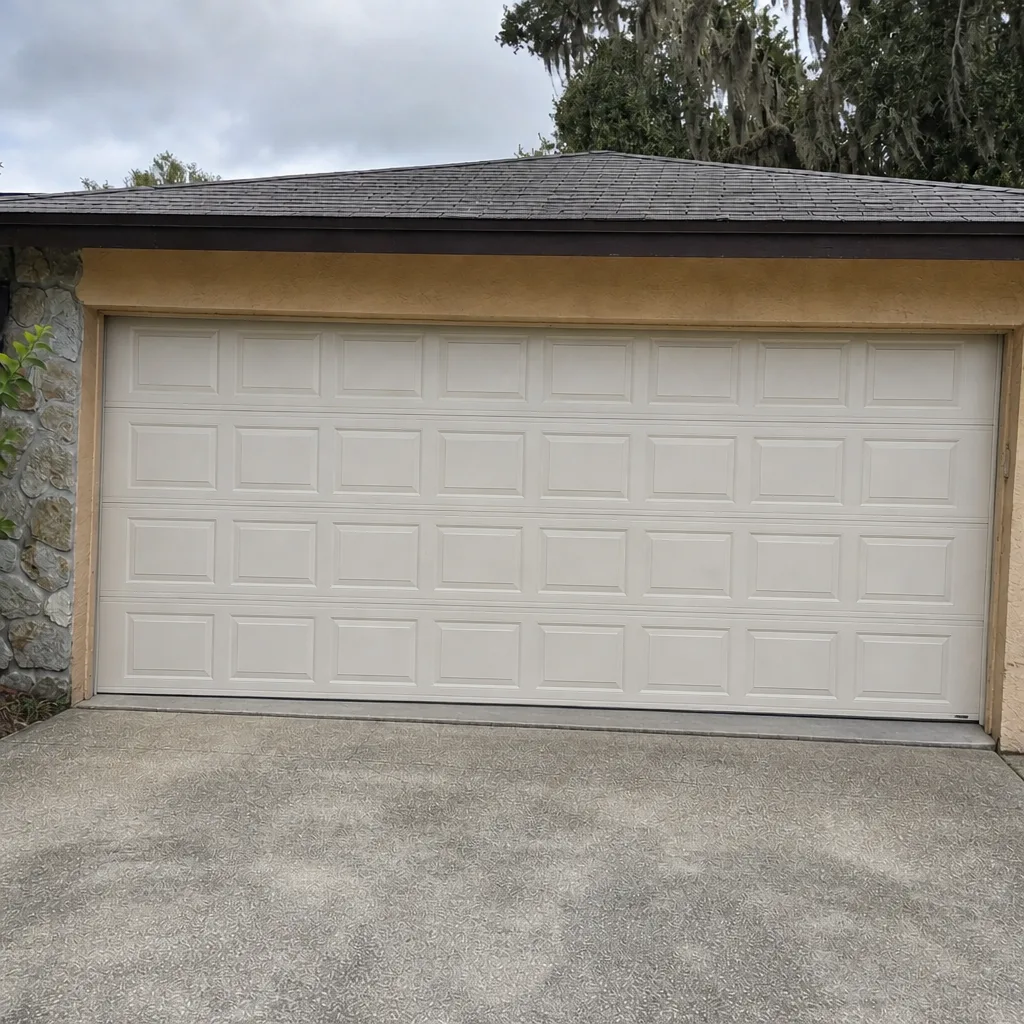 After
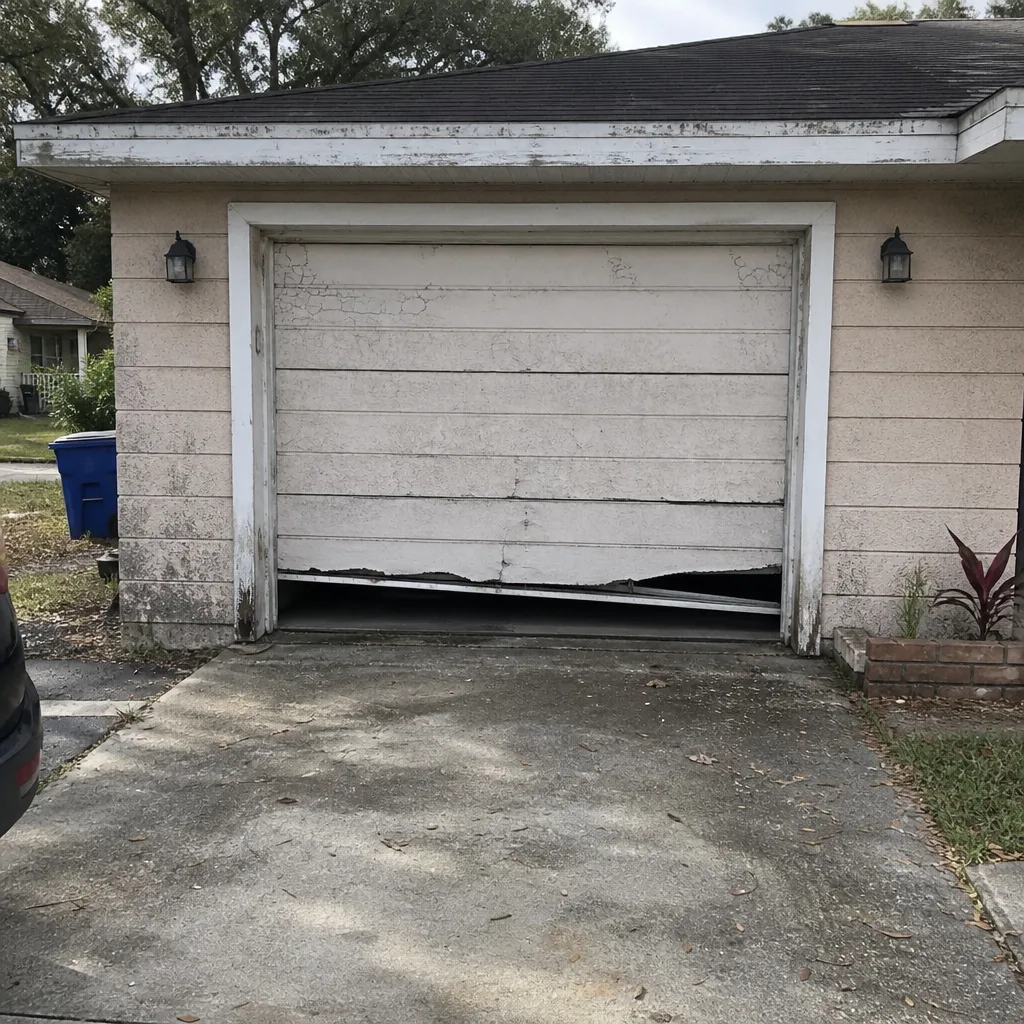 Before
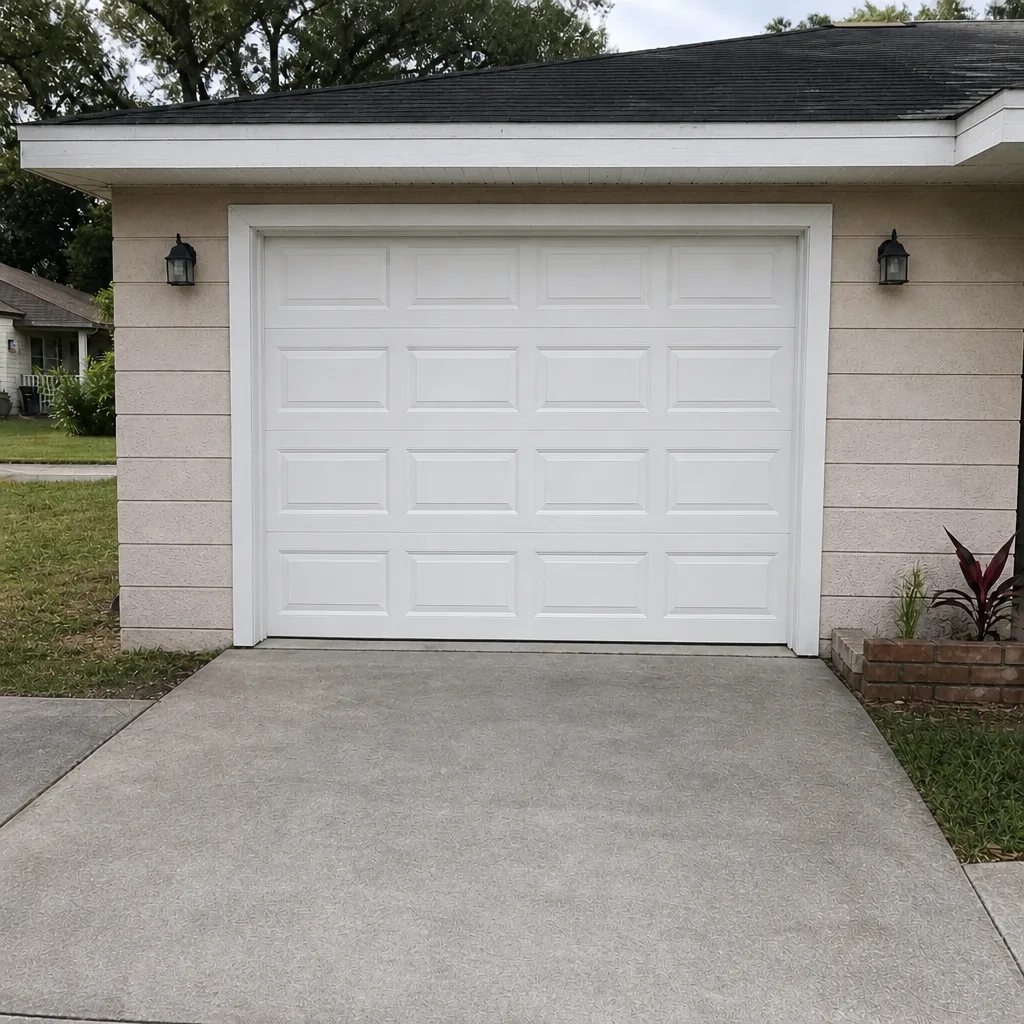 After
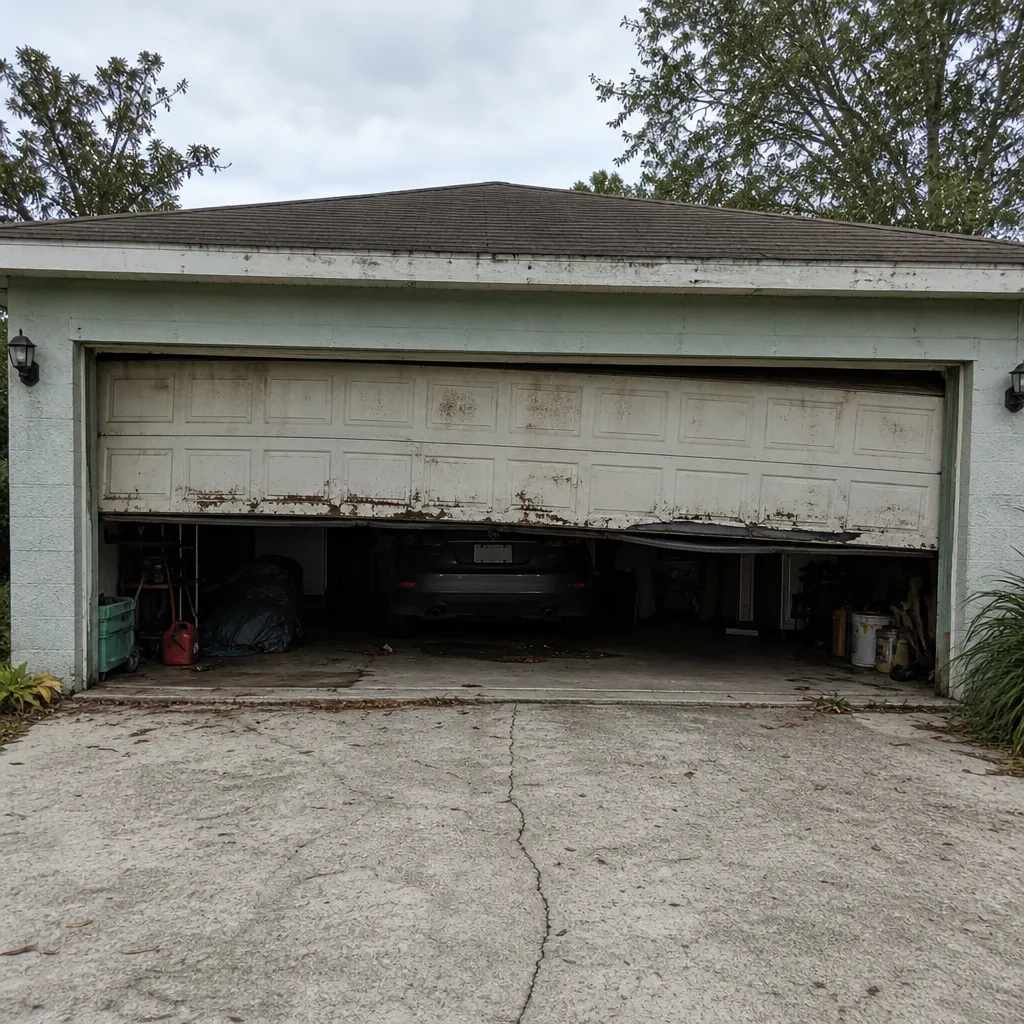 Before
 After
When to Call a Professional
Some garage door problems are genuinely DIY-friendly: a remote that needs reprogramming, a photo-eye that’s misaligned, a track with a loose bolt. Those are worth a look before you call anyone. The rest of it isn’t. Call a professional when the door won’t close or won’t open at all, when a spring is visibly broken or the door feels unusually heavy to lift, when the opener runs but the door doesn’t move, or when a cable is loose or frayed. Those are signs of a mechanical failure in a high-tension system, and the fix needs someone trained to handle it safely.
If the door won’t move, that’s the situation where a fast response matters. Garage Door Repair Kenwood offers free estimates in Kenwood – call (844) 699-3427. Our technicians have up to 8 years of experience, and we handle the full range from spring replacement to opener repair and full installation. If you’re not sure whether the problem is the door or the opener, Garage Door Repair Kenwood starts with a diagnosis, not a parts list.
Frequently Asked Questions
Typical garage door repair in Kenwood runs from about $150 to $400 for common fixes, with spring replacement at $180 to $340 for a single spring on a standard door. A matched pair of springs, which is usually replaced together, costs about twice that. Opener repair is often $150 to $350 depending on the part, and full opener replacement is higher. The written estimate sets the final price, and that price is quoted and agreed before any work starts. Call (844) 699-3427 for a free estimate.
Search the contractor’s name or license number on Florida’s DBPR license lookup at myfloridalicense.com. Confirm the license is active, the type matches the work, and the name on the license matches the business quoting you. If the contractor can’t give you a number to look up, ask what category of work they’re performing and why it doesn’t require licensure. For a straightforward repair, license verification is still worth the two minutes it takes. Call (844) 699-3427 to talk through what your job involves.
It shouldn’t. A professional estimate is based on an inspection, and the written price is quoted and agreed before any work begins. If the technician finds something unexpected, they should stop and get your approval before doing the extra work, not bill you for it after. If an estimate doesn’t state that the price is fixed, ask for that in writing before you book. Call (844) 699-3427 for an estimate that holds.
Repair fixes a specific failed component – a spring, a panel, an opener, a cable – on a door that’s otherwise sound. Installation is a full replacement of the door or opener system, which is measured, ordered, and scheduled rather than handled same-day. Most garage door calls in Kenwood are repairs. If your door is beyond repair, the estimate will say so and explain why. Call (844) 699-3427 to find out which one your door needs.
Usually yes. Springs are matched pairs that wear at the same rate, so replacing one and leaving the other often means a second service call shortly after. That’s not an upsell; it’s how the system works. Ask the technician to explain the condition of the second spring and let the diagnosis decide. Call (844) 699-3427 for a free estimate on the pair.
The local professionals we connect you with are licensed and insured as their state requires, and we recommend confirming the license through DBPR before work starts. Ask for a certificate of insurance before the job. If you’re comparing estimates and one contractor can’t produce those documents, that’s the answer you needed. Call (844) 699-3427 for a quote from a vetted local professional.
The Bottom Line
Hiring a garage door contractor in Kenwood comes down to a few concrete steps: verify the license through DBPR, ask the five phone questions before you book, compare written estimates line by line, and get the warranty in writing. Skip any of those and you’re relying on luck. The Florida regulatory landscape makes garage door work easy to cut corners on, which is why the vetting has to happen before the phone call, not after the invoice arrives. A professional operation will welcome the questions. An operator who won’t answer them is telling you something.
Call (844) 699-3427 for a free estimate. Garage Door Repair Kenwood works on all the major brands, handles everything from spring replacement to full installation, and gives you a written price before any work starts.
Written by the team at Garage Door Repair Kenwood.