Last updated November 22, 2026
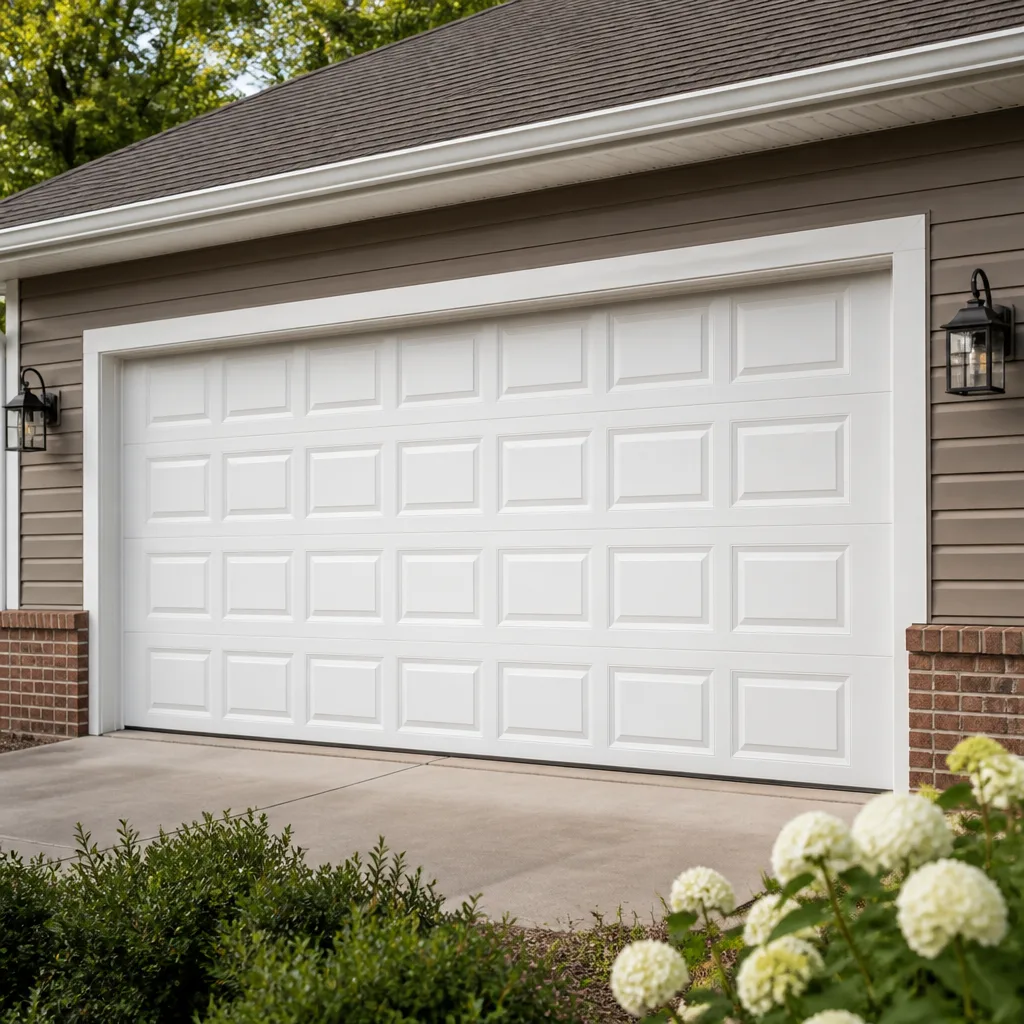 Raised-panel steel
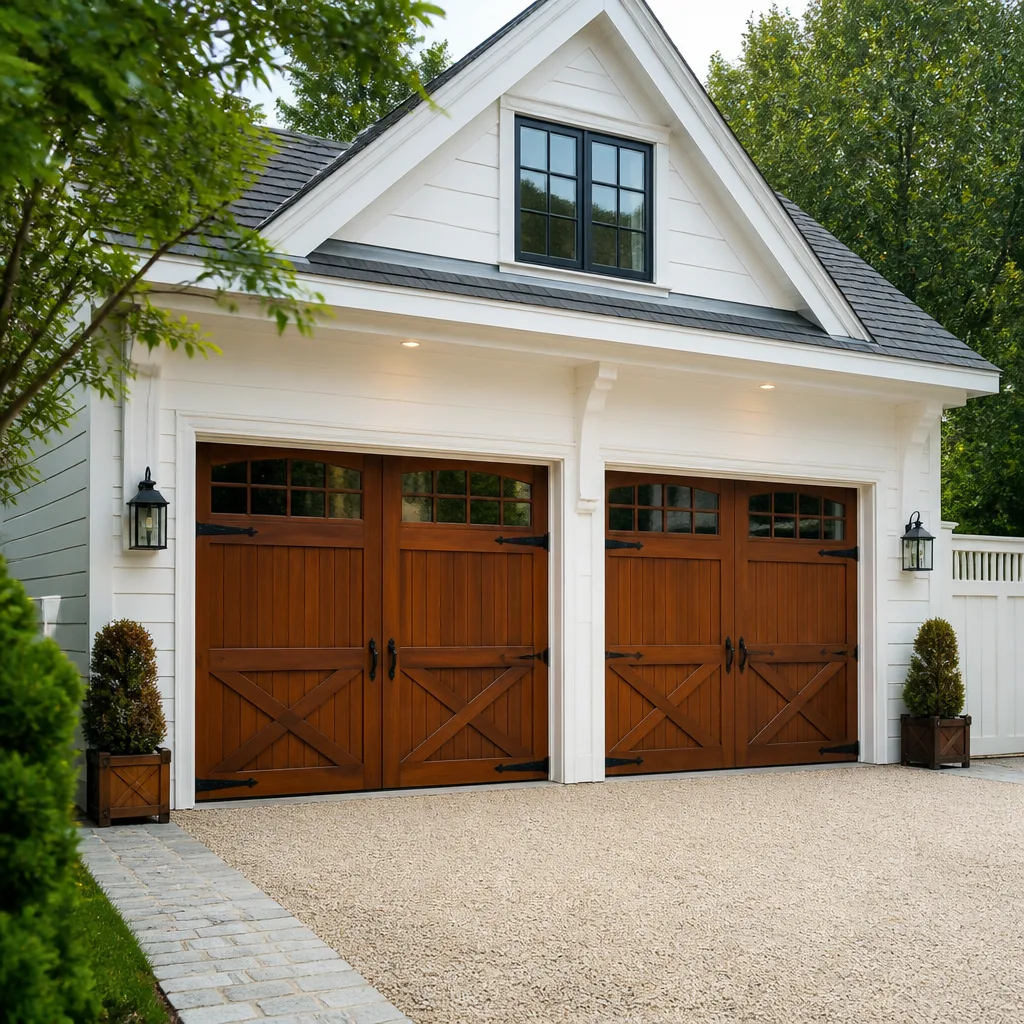 Carriage house
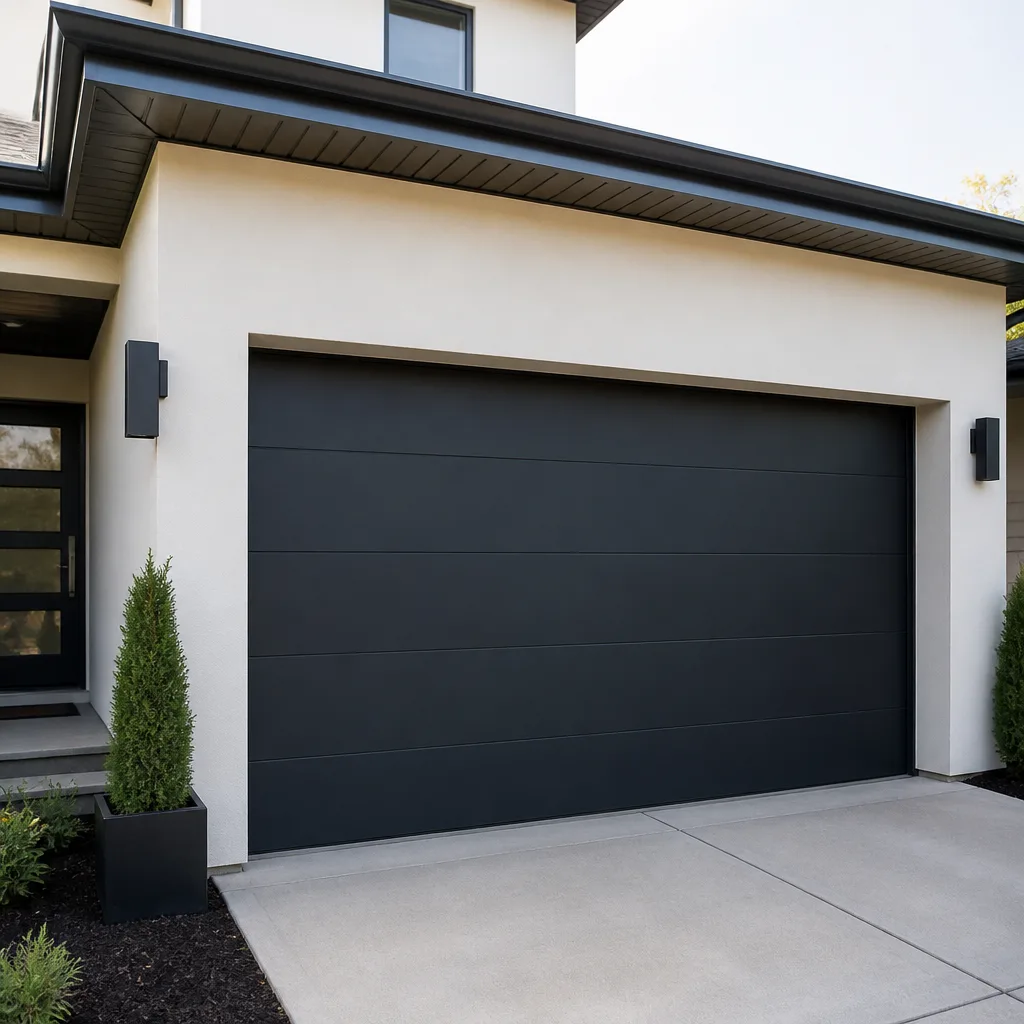 Modern flush
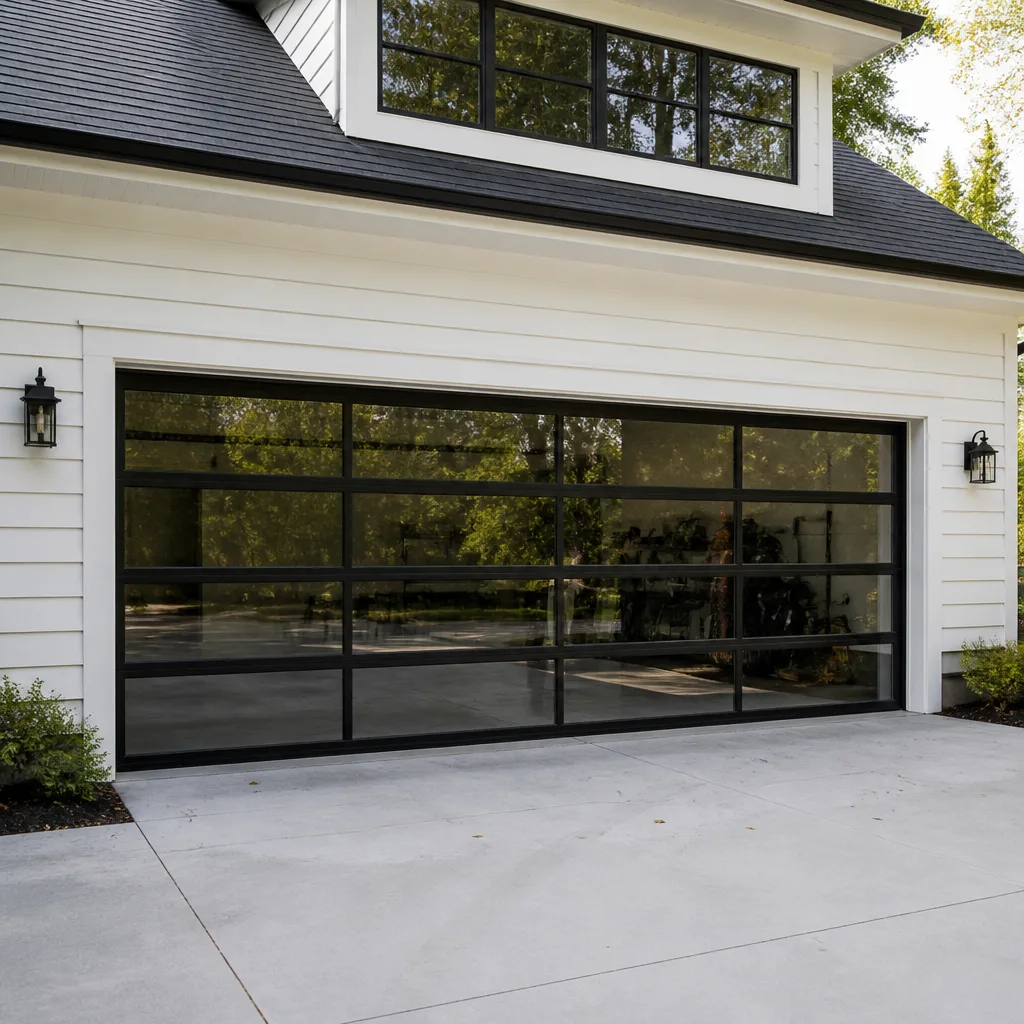 Full-view glass
 LiftMaster openers
 Chamberlain openers
Full 25-point door and opener safety check with every visit - springs, cables, rollers, tracks, and your LiftMaster or Chamberlain opener included
You get a price before we start. It does not change when the pro arrives.
Get your free estimateGarage Door Repair Troubleshooting in Kenwood: Common Problems and How to Fix Them
A door that reverses before it closes and a door that won’t move at all look like the same problem from the driveway. They’re not even close. One is usually a photo-eye or limit switch issue you can sort out in ten minutes; the other often means a spring has let go or a cable has snapped, and the door shouldn’t be operated until a technician sees it. Treat the two the same way and a small repair turns into a bent panel, a stripped opener gear, or worse. This guide maps symptoms to the systems that cause them, so you can tell the difference before you touch anything. We’ll walk through the five mechanical categories behind nearly every failure we see in Kenwood, which adjustments are genuinely within reach, and the symptom combinations that mean stop now, call someone.
Quick Answer
Most garage door problems come down to one of five systems: springs, cables, rollers and tracks, the opener, or the safety sensors. A door that reverses or won’t close is usually a sensor or limit switch problem, while a door that won’t move or feels dead-weight is usually a spring or cable failure that needs a trained technician. Diagnosing which system you’re dealing with first tells you whether it’s a safe DIY fix or a job to hand off. In Kenwood’s heat and humidity, cable fraying and track warping show up more often than in drier climates, so those two deserve a closer look than most troubleshooting guides give them.
Styles & brands we work with
- Raised-panel steel
- Carriage house
- Modern flush
- Full-view glass
- LiftMaster openers
- Chamberlain openers
Table of Contents
- The Symptom-to-System Diagnostic Matrix
- What Your Door’s Noise Is Telling You
- Why Kenwood’s Humidity Accelerates Certain Failures
- Safe DIY Adjustments vs. Technician-Only Work
- The Manual Balance Test: Is It the Opener or the Door?
- Red-Flag Combinations: When to Stop Operating the Door
- Working With Your Existing Brand
- Keeping a Healthy Door Healthy in Kenwood
The Symptom-to-System Diagnostic Matrix
Before you call anyone, figure out which of five mechanical systems is misbehaving. Every garage door symptom traces back to springs, cables, rollers and tracks, the opener, or the safety sensors. Getting this right first saves you from guessing at parts and from spending money on an opener that was never the problem. Here’s how the symptoms map.
- Door reverses before closing, or reverses after touching the floor: safety sensor (photo-eye) misalignment, debris, or a limit switch set too low. Usually opener-side, usually simple.
- Door opens fine but won’t close, or closes a foot and stops: photo-eye, force setting, or a binding track the opener is correctly refusing to force.
- Door won’t move at all, opener hums but nothing happens: broken spring, snapped cable, or a stripped opener gear. Do not keep running the opener.
- Door is heavy to lift by hand: spring tension lost or a broken spring. This is the clearest spring signal there is.
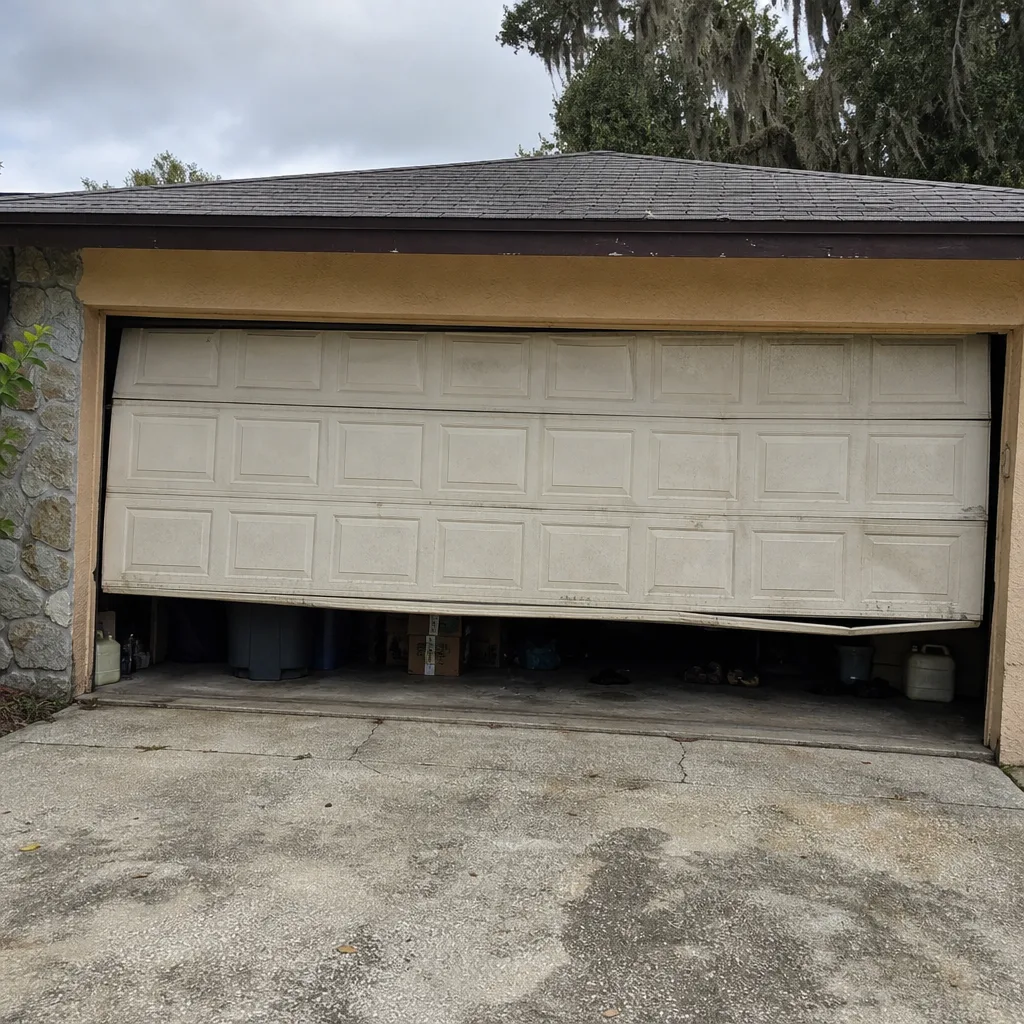
- Door goes up crooked, binds, or grinds on one side: cable off its drum, bent track, or a worn roller. Stop operating it – this one bends panels.
- Opener runs but the door only moves a few inches then stops: limit switch travel set wrong, or the door is binding and the opener is protecting itself.
- Remote or wall button works intermittently: opener logic board, battery, or a limit switch issue – not the door itself.
That matrix is the whole game. Two-thirds of the trouble calls we handle around Kenwood resolve to one of these lines, and knowing yours changes what you do next. If your symptom lands in the first two bullets, you’re probably looking at a sensor or switch adjustment. If it lands anywhere from the third down, treat the door as potentially dangerous and get it looked at. For a broader look at what each repair involves, see our garage door repair page.
What Your Door’s Noise Is Telling You
The type of noise narrows down the component faster than almost anything else. A door that’s always been quiet and suddenly isn’t is telling you something specific, and the sound points straight at the part. Listen before you look.
Grinding
Grinding usually means gear wear, either in the opener’s drive gear or where the rollers meet a worn track. On older openers, particularly legacy Craftsman and Genie units, the plastic drive gear inside the motor housing wears out before anything else. It’s a repairable part, but on an older unit it’s worth weighing repair against replacement.
Squealing
A high-pitched squeal is dry rollers and hinges. The metal-on-metal contact loses lubrication over time, and in a hot garage the lubricant dries out faster than you’d expect. This is one of the cheapest problems to address and one of the easiest to catch early – a little maintenance keeps it quiet for a long stretch.
Banging or a Loud Snap
A single loud bang, usually followed by the door becoming heavy and unresponsive, is a broken spring. Torsion springs snap with a sound you won’t mistake for anything else. Extension springs can be just as loud, and both are high-tension components under serious load. Do not try to lift or operate the door after that sound. Call a technician.
Rattling
Rattling is loose hardware – brackets, hinges, and the bolts holding the panels together. Harmless in small doses, but loose hardware slowly works itself looser, and eventually it’s a track alignment problem. Tighten what you can reach safely, and have the rest checked.
Clicking From the Opener Itself
A click with no movement usually means the opener is trying to engage and failing: a stripped gear, a dead capacitor, or a logic board issue. That’s an opener diagnosis, and it’s exactly the kind of thing our garage door opener repair service covers across brands, smart-connected units included.
Why Kenwood’s Humidity Accelerates Certain Failures
Kenwood’s warm, humid air and the daily heat cycles a garage goes through make two failure modes show up more often here than in drier parts of the country: cable fraying and track warping. A garage in Kenwood gets hot during the day and cools at night, over and over, and that cycle works on metal and cable in ways cooler climates don’t. Add humidity, and the steel cables running along each side of your door are working against moisture most of the year.
Cable Fraying
Garage door cables are wound strands of steel under tension. Humidity promotes surface corrosion, and corrosion accelerates fatigue at the bends where cables run over drums and pulleys. A frayed cable is a warning, not a nuisance – when a cable fails under load, the door drops on one side, twists, and can bend panels or pull a track loose. If you see broken strands or a fuzzy look on either cable, stop using the door and have both checked. Cables on a door this age in this climate often fail in pairs.
Track Warping
Heat and humidity shift wood framing and settle the ground a door’s tracks are anchored to, and both pull tracks out of alignment. A warped or misaligned track binds the rollers, and a binding door is a door the opener will eventually give up on – or force, and bend. This is why the “door reverses mid-travel” complaint is so common around Kenwood: the opener’s force sensor is doing its job because the track is fighting the door.
Painted Steel and Wood Doors
Humidity is unkind to the bottom sections of any door. Steel skins on Clopay and similar doors can bubble or lift at the paint seam, and wood doors weather fastest at the bottom edge. A quick look along the bottom section each season tells you whether touch-up paint is due before rust starts.
Safe DIY Adjustments vs. Technician-Only Work
Some garage door issues really are safe to handle yourself. Others involve stored mechanical energy that will injure you if something lets go at the wrong moment. The line between the two is clear once you know where it is. Here’s the split we draw.
Within Safe DIY Reach
- Photo-eye alignment: wipe the lenses, check that each sensor’s LED is lit, and nudge them back to facing each other. Most “door won’t close” calls end here.
- Limit switch adjustment: the up and down travel limits tell the opener where the door should stop. These are on the opener housing, adjusted with a screwdriver, and usually explained in your opener’s manual. Fine adjustments are safe. Small changes only.
- Force settings: modern openers, including LiftMaster and Chamberlain units, let you set how much force the opener applies before it reverses. Increase only enough to complete the cycle – if the door needs a lot more force, it’s binding, and that’s a mechanical problem the setting won’t fix.
- Lubrication: a proper garage door lubricant on rollers, hinges, and the spring (never the track itself) quietens most squealing and slows wear.
- Remote and battery checks: replace remote batteries and test the wall button before assuming the opener has failed.
Technician-Only Work
- Spring tension and replacement: springs are high-tension components holding the full weight of the door. A torsion spring under load can cause serious injury, and adjusting or replacing one calls for the right winding bars and real training. Never attempt it.
- Cable and cable drum replacement: cables are also under tension. Swapping a drum or re-spooling a cable carries the same risk as spring work.
- Track realignment beyond a gentle tap: a track that’s bent out of shape needs to be straightened or replaced by someone who can set it true, because a poorly aligned track comes back.
- Panel replacement: a bent bottom panel affects the whole door’s alignment, and panel changes need the door balanced afterward.
If you’re ever unsure which side of that line a job sits on, treat it as technician work. That instinct is right far more often than not. Our technicians have up to 8 years of experience, and spring and cable work is the kind of thing they handle every day.
The Manual Balance Test: Is It the Opener or the Door?
The single most useful test in garage door troubleshooting is the manual balance test, because it tells you whether the problem lives in the opener or in the door’s mechanical system. If the door is balanced, the opener is your suspect. If it isn’t, the opener was never the problem – it was doing its best with a door that’s fighting it. Here’s how to run it safely.
- Disconnect the opener first. Pull the red manual release cord so the door is no longer connected to the opener. The door should be fully closed when you do this.
- Lift the door by hand, slowly, about halfway. Use the handle or the bottom edge, and keep your hands clear of the hinge gaps and the track.
- Let go at the halfway point. A balanced door stays where you leave it. A door that sags or falls is losing spring tension or has a cable issue.
- Try again at a higher point. A door that sits still near the middle but drops anywhere else still isn’t balanced properly.
- If it’s heavy or falls, stop. Don’t force it. That’s a spring or cable problem, and it needs a technician before the opener runs again.
- If it balances but the opener still misbehaves, the issue is in the opener or its settings – limit switches, force, sensors, or the drive gear.
Run the test gently and don’t fight a door that wants to fall. A door that’s genuinely unbalanced isn’t a door you want moving under its own weight. This one step resolves most “is it the door or the motor” questions before a technician ever arrives, which is why we lead with it.
Red-Flag Combinations: When to Stop Operating the Door
Some symptoms are inconveniences. Some come in pairs that signal a door on the edge of failure, and those are the moments where continuing to run the opener costs you a lot more than a repair. A single symptom rarely means stop. A combination often does. Watch for these.
- Loud bang plus a door that suddenly won’t lift: a broken spring. The door is now being held by the opener alone, and the opener isn’t built for that. Stop.
- A door that goes up crooked plus grinding: a cable has likely come off its drum. Continuing to run it twists the door, which bends panels and can pull a track down.
- Door sags on one side plus a visible kink or fray in the cable: cable damage under load. Stop operating and get it checked.
- Opener reverses repeatedly plus a door that binds by hand: the opener is telling you the door is binding. If you override the force setting and keep going, the opener will eventually force a bent panel.
- A door that won’t close and the sensors look fine: usually a limit switch or force setting, but check the track and cables before tinkering further.
The pattern to remember: whenever a symptom combination involves the door’s weight and a mechanical component – springs, cables, tracks – stop. A technician can undo a bent panel; nobody can undo a dropped door. If you’re in Kenwood and something on that list is happening, it’s worth a call rather than another cycle of the opener.
Working With Your Existing Brand
Most homeowners don’t want to replace equipment to get it fixed. They want whoever shows up to already know the unit in their garage. That’s the point of brand fluency: we work on what’s already installed rather than steering you to preferred parts. Our technicians are factory-familiar with the major garage door systems you’re likely to have – LiftMaster, Chamberlain, Genie, Clopay, Amarr, Wayne Dalton, Craftsman, and Raynor – so the diagnosis fits the equipment, not the other way around.
That matters most on the opener side, where the differences are real. A legacy Craftsman opener from the mechanical era has different failure points than a modern smart-home-integrated LiftMaster or Chamberlain myQ unit, and troubleshooting one like the other wastes time. The connected openers fail more often in their logic boards and sensors; the older ones fail in their gears, capacitors, and switches. Knowing which era you’re dealing with shortens the diagnostic time, and that’s the whole reason brand familiarity is worth having.
On the door side, the brand matters less than the mechanical condition – a Clopay and an Amarr door fail the same way when a spring goes – but parts compatibility and panel matching do matter if replacement is on the table. If you’re weighing repair against a new door, our garage door installation page covers what that decision looks like. Either way, the first call covers it; one call gets you the diagnosis.
Keeping a Healthy Door Healthy in Kenwood
Most of the failures in this guide are preventable, and the prevention is mostly listening and looking. A door that’s maintained properly is a door that tells you about a problem early, when it’s still cheap. Here’s the routine that pays off in Kenwood’s climate.
- Lubricate the moving parts twice a year. Rollers, hinges, and the spring, with a garage-door-specific lubricant. Skip the track itself – it should stay clean and dry.
- Look at the cables each season. Check for fraying, broken strands, or rust along the length. In this humidity, cables are the first thing to watch.
- Run the balance test every few months. The test from earlier in this guide takes two minutes and catches spring tension loss before it becomes a broken spring.
- Check the sensors. Wipe the photo-eye lenses and confirm both LEDs are lit. A surprising share of “door won’t close” problems are just a dirty lens.
- Tighten the hardware you can reach. Brackets, hinges, and roller bolts work loose over time. A quick pass with a wrench keeps rattles from becoming misalignment.
- Look at the bottom section of the door. Rust and paint lift start at the bottom. Touch up early and the door lasts longer.
- Listen. Any new noise is a message. Grinding, squealing, or a new rattle is cheaper to fix now than after the part fails.
None of that is complicated, and all of it extends the life of the door and the opener. What it won’t do is rescue a door that’s already failing – for that, you need a diagnosis, and that’s the part we handle. If you’d rather just have it looked at than do the checks yourself, the Garage Door Repair Kenwood page is the right place to start.
Common Mistakes to Avoid
- Forcing a door that’s binding. If the door fights the opener, the answer isn’t a higher force setting – it’s finding out why it’s binding. Cranking the force up just makes the opener damage the door harder.
- Guessing at parts. Replacing a remote or a sensor when the real issue is a limit switch wastes money and time. Diagnose the system first, then buy the part.
- Attempting spring or cable work yourself. Springs and cables are high-tension components holding the door’s full weight. This is the one mistake that causes real injury. Leave it to a technician.
- Ignoring a small cable fray. In Kenwood’s humidity, a fray is what a cable failure looks like before it happens. Treat it as urgent, not cosmetic.
- Operating a door that’s already broken. Once a spring is gone or a cable has snapped, every cycle puts more stress on the other side. Stop and call.
- Skipping the balance test. It’s the fastest way to know whether the problem is the opener or the door, and it takes two minutes. Skipping it is how people end up buying openers they didn’t need.
- Letting a small rattle become misalignment. Loose hardware works itself looser. Tighten what you can reach before it turns into a track problem.
See the difference
 Before
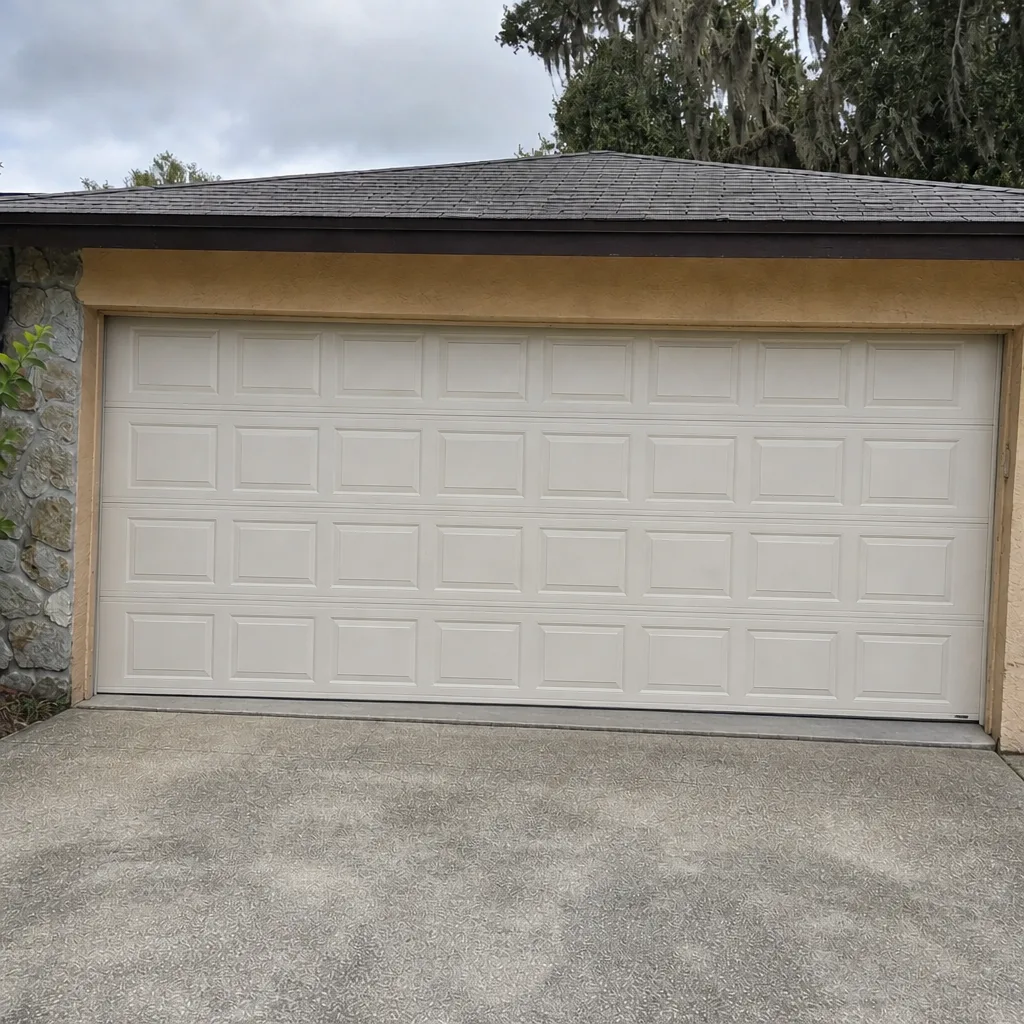 After
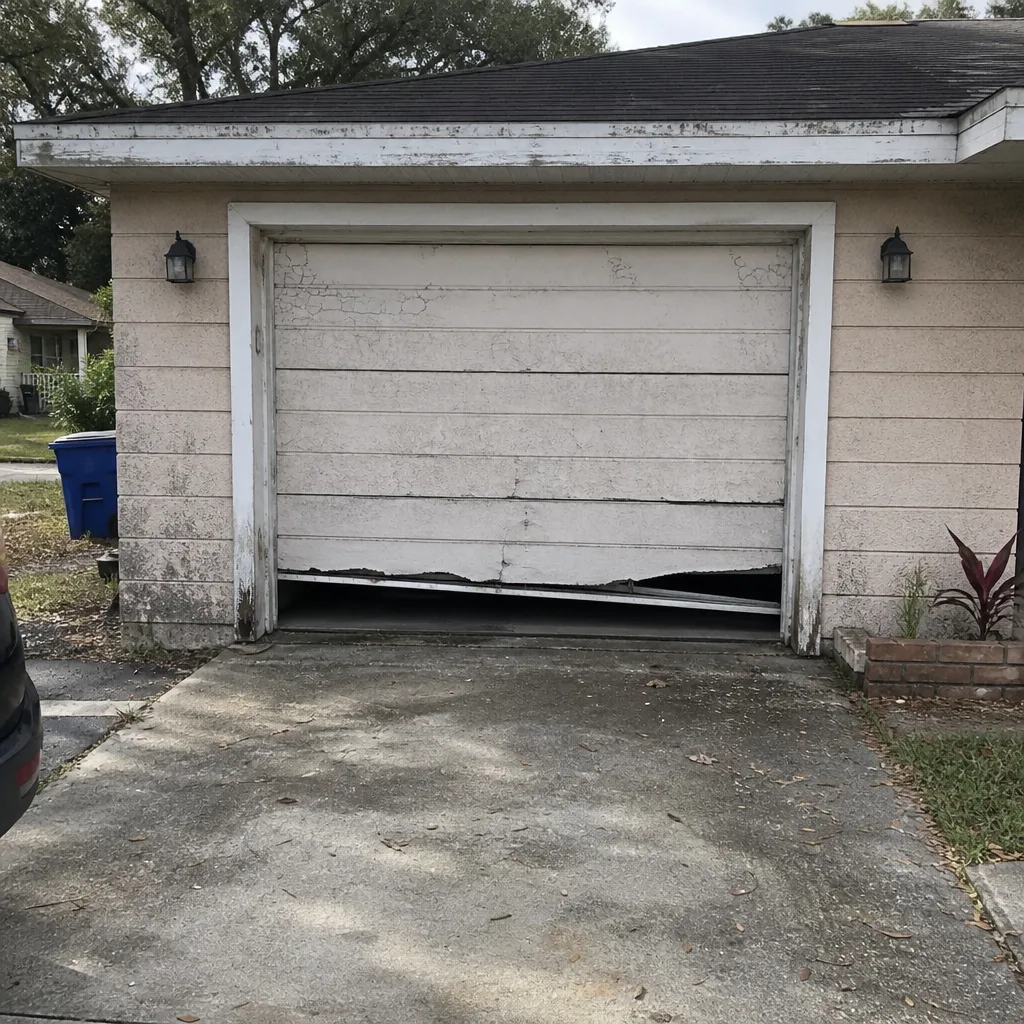 Before
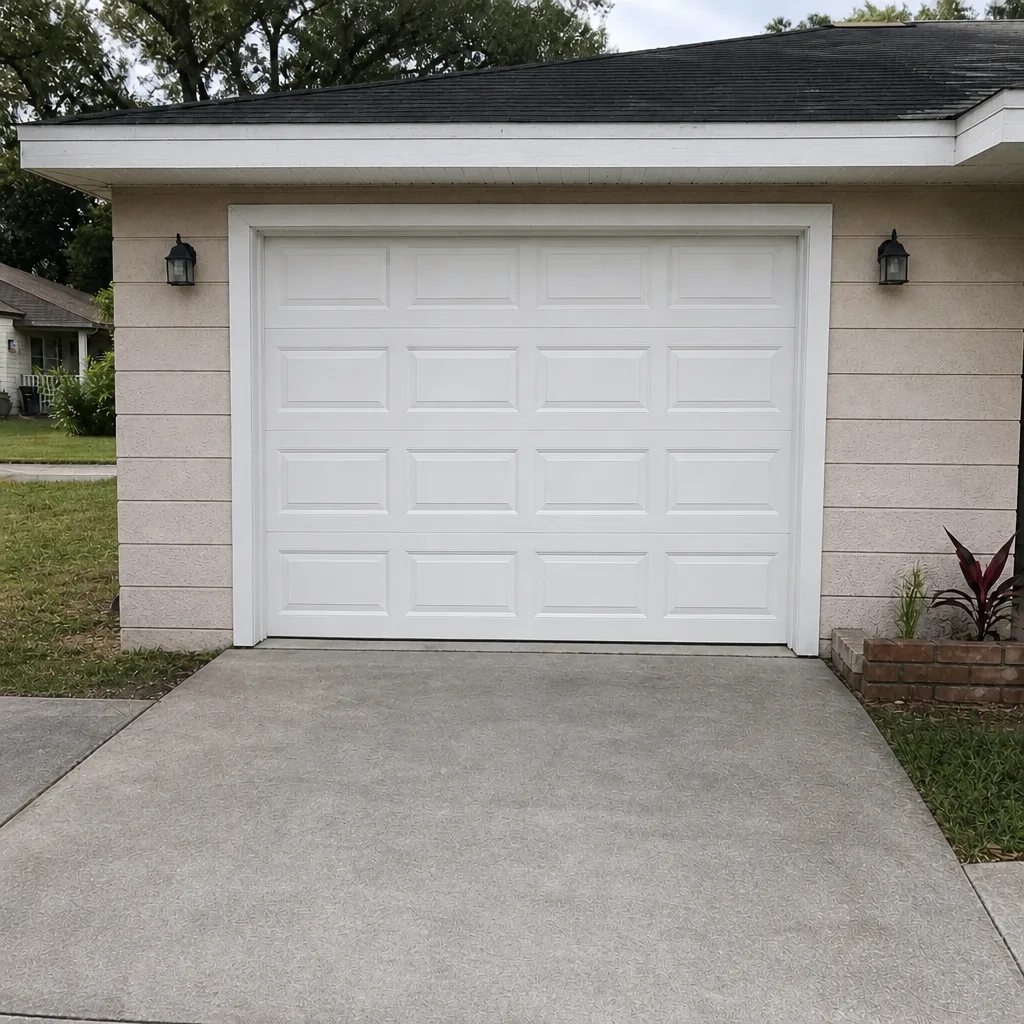 After
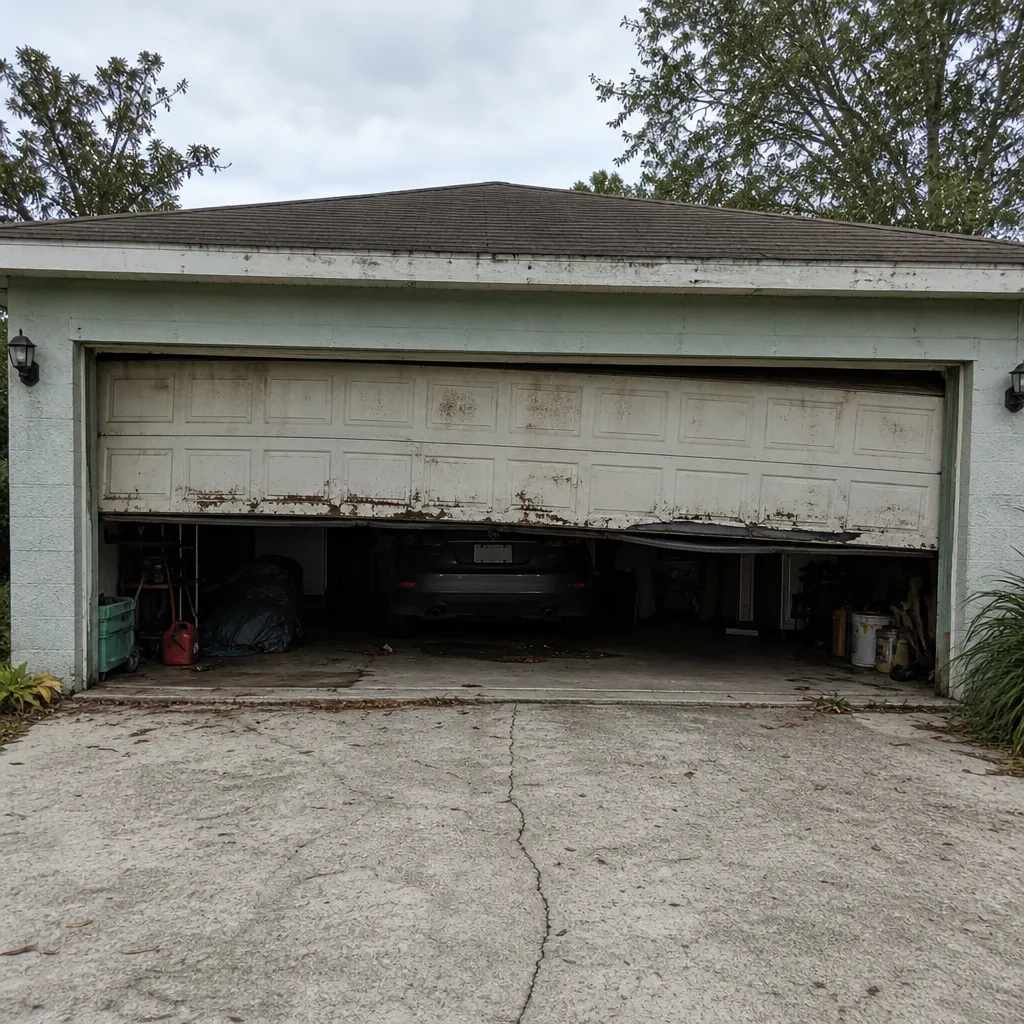 Before
 After
When to Call a Professional
Call a professional when the symptom involves the door’s weight, a spring, a cable, or a track that’s visibly out of line. Call when the door won’t move, when it goes up crooked, when you’ve heard a bang, or when the opener runs but the door doesn’t. Call if you’ve checked the sensors and the balance test and the door still won’t behave – that’s a mechanical or opener diagnosis, and it’s faster with someone who does it every day. And call if you’d simply rather not be the one climbing a ladder to test an opener’s force settings. Garage Door Repair Kenwood offers free estimates in Kenwood – call (844) 699-3427, and we’ll tell you what’s wrong and what it takes to fix it before anything gets touched.
Frequently Asked Questions
A door that reverses before closing is usually a safety sensor problem – a misaligned, dirty, or blocked photo-eye. Wipe the lenses on both sensors and check that each sensor’s LED is lit; if one is dark or blinking, that’s your culprit. If the sensors look fine and the door still reverses, it’s likely a limit switch or force setting, or the door is binding and the opener is correctly refusing to force it. Call (844) 699-3427 for an exact answer if you’re not sure – estimates are free.
Run the manual balance test: disconnect the opener with the red release cord, lift the door halfway by hand, and let go. If the door stays put, it’s balanced and the opener is the suspect. If it sags, falls, or feels heavy, the mechanical system is the problem – usually springs or cables – and the opener was never at fault. That test settles most “opener or door” questions in about two minutes.
No. Springs are high-tension components under the full load of the door, and adjusting or replacing one without the right tools and training can cause serious injury. The same applies to cables and cable drums. These are the two jobs in garage door repair that should always go to a trained technician, and no amount of online guidance changes that.
Kenwood’s heat and humidity are hard on steel cables. The moisture promotes surface corrosion, and the daily heating and cooling cycle a garage goes through works the cable strands at their bends, so they fatigue faster than in drier climates. That’s why we check the cables on every diagnosis here – a fray is a warning, and catching it early is much cheaper than a snapped cable.
An opener that hums without moving the door usually has one of three problems: a broken spring or snapped cable (so the door is too heavy), a stripped drive gear inside the opener, or a door that’s binding in its tracks. If the door is heavy to lift by hand, it’s the first. If the door moves freely by hand but the opener still hums, it’s likely the gear. Either way, stop running the opener until it’s diagnosed.
Yes – our technicians work on all eight major brands, including LiftMaster, Chamberlain, Genie, Clopay, Amarr, Wayne Dalton, Craftsman, and Raynor, in both legacy mechanical and modern smart-connected versions. We diagnose the unit that’s already in your garage rather than steering you toward a replacement you don’t need. Call (844) 699-3427 and tell us the brand and model.
The Bottom Line
Garage door problems aren’t a mystery once you know the five systems behind them. Reverse-before-close is usually sensors; won’t-move is usually springs or cables; crooked and grinding usually means a track or cable issue. The manual balance test is the fastest way to know whether the opener or the door is at fault, and the safe DIY work – photo-eyes, limit switches, lubrication – is genuinely safe. Springs, cables, and drums always go to a technician. In Kenwood, watch the cables closely, because the humidity means they fail earlier than they would elsewhere. If a symptom pair on the red-flag list is happening, stop running the door and call us.
Garage door repair is what we do, and only that. If your door won’t behave, call (844) 699-3427 for a free estimate in Kenwood. We’ll diagnose the system, tell you exactly what’s wrong, and quote the price before any work starts.
Written by the team at Garage Door Repair Kenwood.