Last updated November 22, 2026
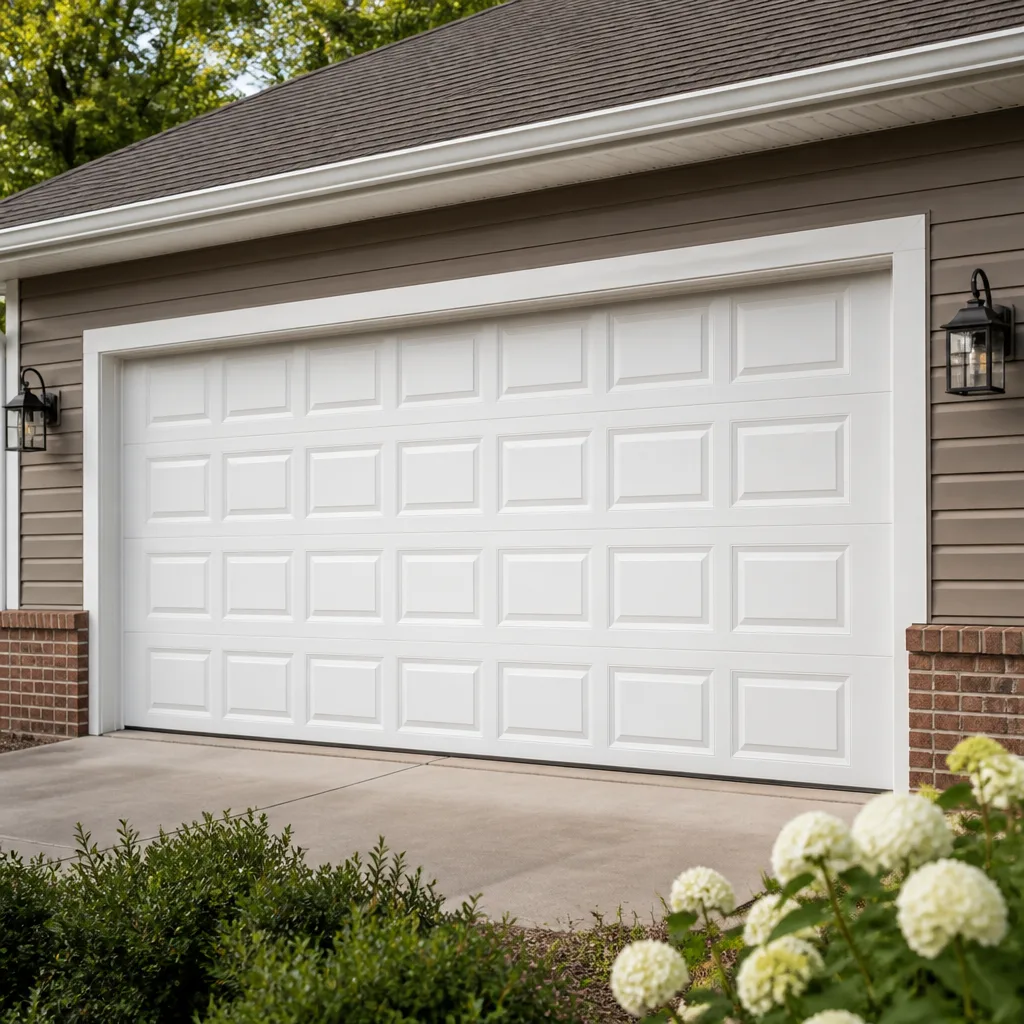 Raised-panel steel
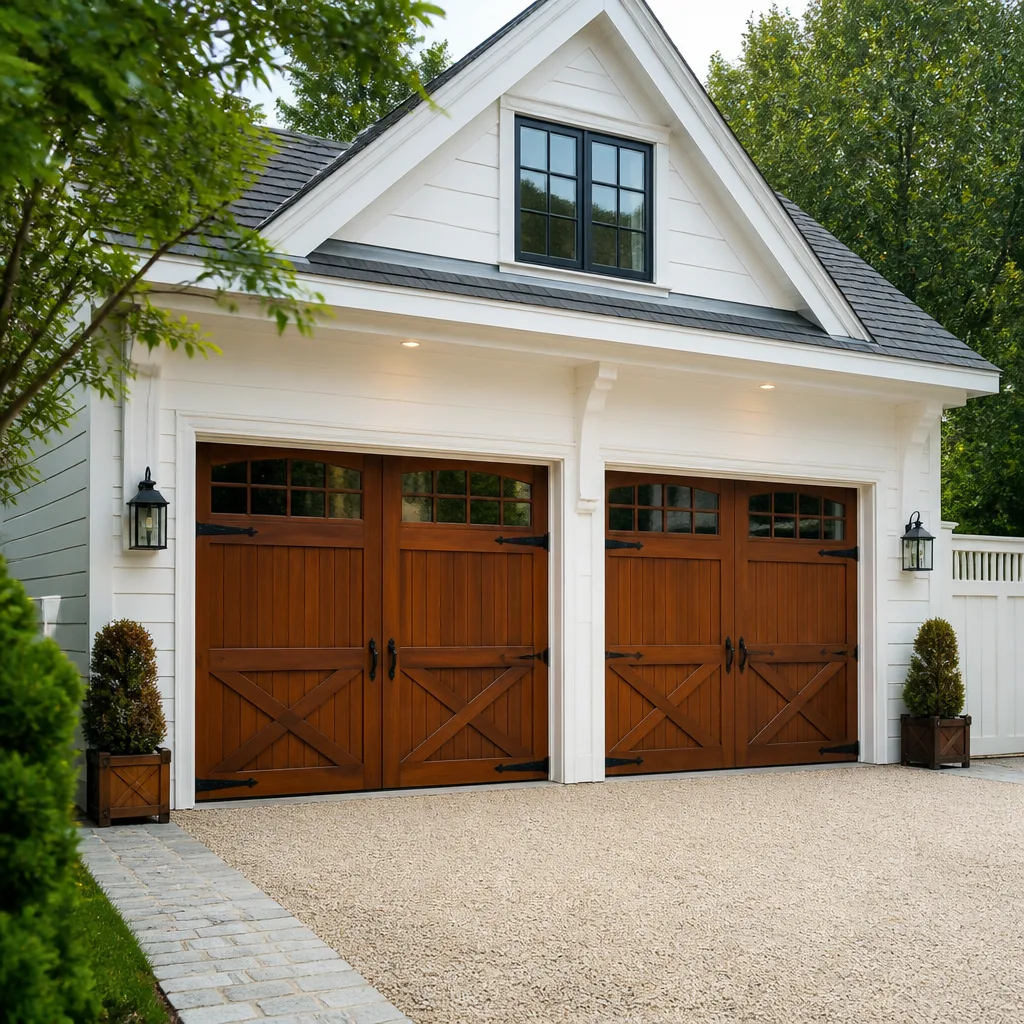 Carriage house
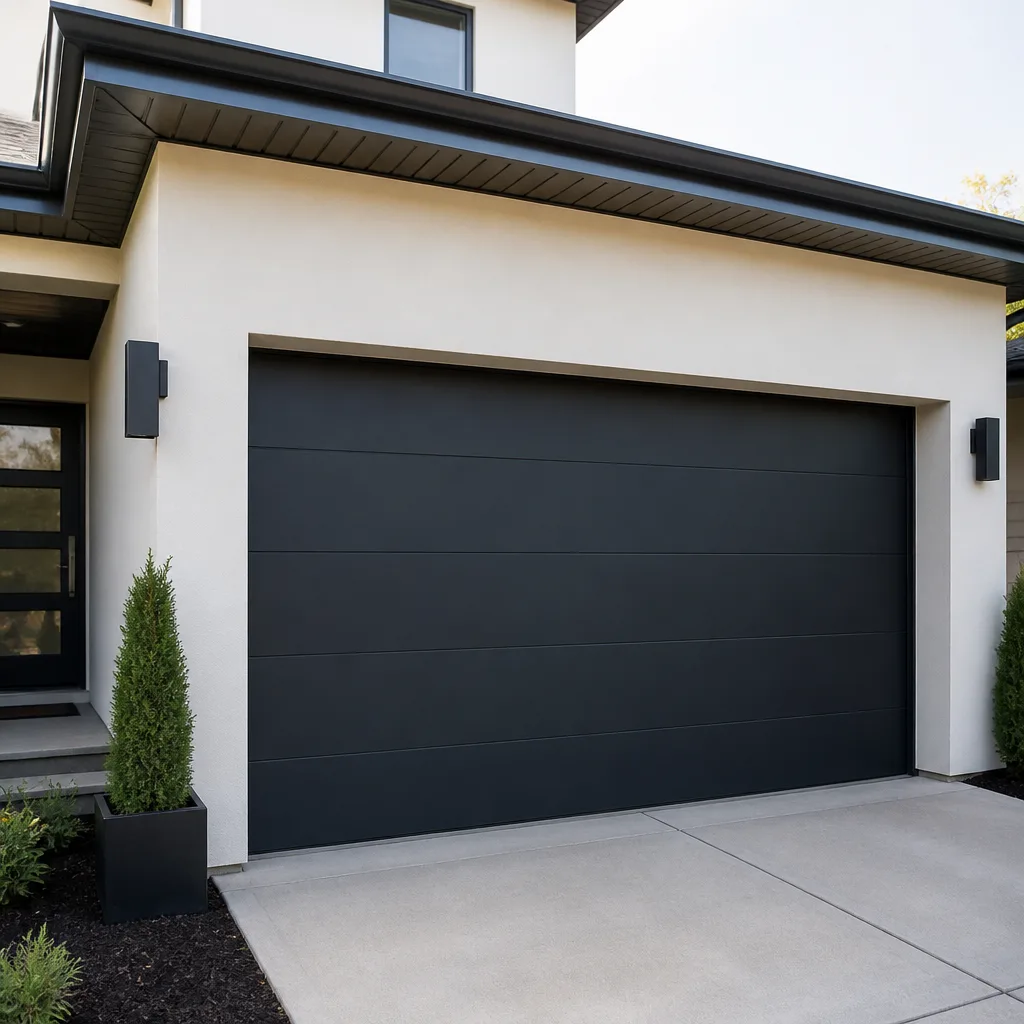 Modern flush
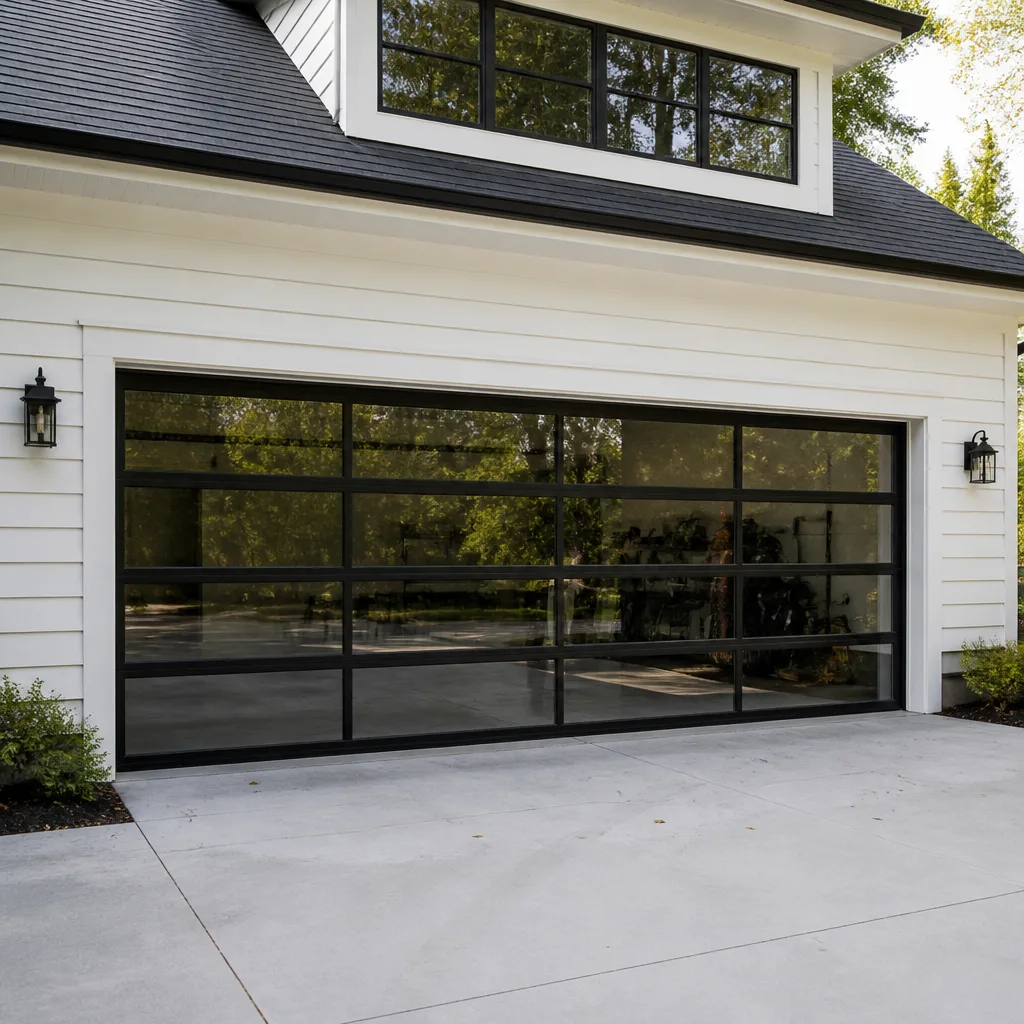 Full-view glass
 LiftMaster openers
 Chamberlain openers
Full 25-point door and opener safety check with every visit - springs, cables, rollers, tracks, and your LiftMaster or Chamberlain opener included
You get a price before we start. It does not change when the pro arrives.
Get your free estimateGarage Door Permits, Codes & Inspections in Kenwood, FL: What You Need to Know
Most homeowners assume a garage door is a simple swap: pick a style, pay the installer, done. In Florida, that assumption can cost you at resale and leave you exposed at the worst possible moment. A garage door is part of your home’s wind-load envelope, and the state treats it like one. Install a door without the required Florida wind-load permit, and your insurer may have grounds to dispute a hurricane claim years later. The installer who told you permits weren’t necessary won’t be around to explain that to your adjuster. This guide walks you through when Kenwood garage door work needs a permit, how the inspection process actually runs, what impact-rated certification means, and what happens when unpermitted work surfaces on a title search. It’s the guide we wish every homeowner read before signing an installation contract.
Quick Answer
In Kenwood, full garage door replacement and any new electrical work for an opener almost always require a permit through the local building department, because Florida Building Code Section 1609 wind-load requirements apply to garage doors as part of the home’s protected envelope. Simple repairs like spring replacement, panel swaps, and opener part replacement typically don’t require a permit. Impact-rated doors must carry a valid Florida product approval or NOA, and the door must be installed to that approval to pass inspection. When in doubt, call the City of Kenwood’s building department before work starts. Skipping this step can complicate insurance claims and create problems when you sell.
Styles & brands we work with
- Raised-panel steel
- Carriage house
- Modern flush
- Full-view glass
- LiftMaster openers
- Chamberlain openers
Table of Contents
- Why Garage Door Permits Matter More in Florida Than Most Homeowners Realize
- Florida Building Code Section 1609 and Kenwood’s Wind Zone
- Which Garage Door Jobs Require a Permit (and Which Don’t)
- How the Permit and Inspection Process Works in Kenwood
- What Impact-Rated Certification Means and How to Verify an NOA
- How Unpermitted Garage Door Work Shows Up at Resale
- How to Hire a Garage Door Contractor Who Handles Permits Correctly
- Common Mistakes to Avoid
Why Garage Door Permits Matter More in Florida Than Most Homeowners Realize
In most states, a garage door replacement is treated like swapping a kitchen faucet: a product change with no regulatory footprint. Florida is different. Here, the garage door is classified as part of the building envelope, and the state’s wind-load provisions under the Florida Building Code apply to it directly. That means a replacement door isn’t just a finish choice; it’s a structural and safety component that has to meet specific pressure ratings and be installed exactly the way its product approval specifies.
The practical consequences are real. An unpermitted installation can complicate a homeowner’s insurance claim after a storm, because the insurer has grounds to question whether the door met code at the time of loss. It can also surface during a home sale, when a title search or permit history review turns up work that was never closed out with the city. And it can affect whether the door contributes to the home’s wind mitigation credits, since those credits depend on documented, code-compliant installation.
We’ve talked with plenty of Kenwood homeowners who were told by an installer that “permits aren’t necessary for a garage door.” Sometimes that’s an honest misunderstanding. Sometimes it’s a shortcut. Either way, the homeowner carries the risk, not the installer.
Here’s the part that surprises people: the door itself may be perfectly good. A LiftMaster opener paired with a quality Clopay or Amarr door can be a genuinely excellent setup. The problem isn’t the equipment. It’s the missing paper trail that proves the door was installed to a code-compliant standard.
Florida Building Code Section 1609 and Kenwood’s Wind Zone
Florida Building Code Section 1609 sets the wind-load requirements that govern how buildings resist wind pressure, and it applies to garage doors as exterior components of the structure. The code assigns design pressures based on wind speed, exposure category, and building height, and the garage door has to be rated to meet the pressure calculated for that specific installation. The rating is a property of the combination, not just the door panel: the door, the track, the hardware, and the anchoring all work together to achieve the required design pressure.
Kenwood falls within Florida’s wind-borne debris region, which is why the garage door often has to be impact-rated or protected by an approved shutter system. The wind zone classification matters because it determines which products are acceptable and how they must be installed. A door rated for one wind zone won’t necessarily qualify in another, and that difference is why product approval documentation matters.
What this means for a Kenwood homeowner in practical terms:
- The replacement door must have a Florida product approval or a Miami-Dade County Notice of Acceptance (NOA) that covers the specific product and the specific installation method.
- The installed door must match the approval: same anchoring pattern, same reinforcement, same track system. A door that carries a 150 mph approval but is installed with undersized anchors hasn’t met the approval.
- The permit application includes the approval documentation, and the inspector verifies it. That’s the whole point of the permit.
If you’re unsure which wind zone your property falls in, the City of Kenwood’s building department can tell you. Don’t guess, and don’t take an installer’s word for it if they’re the ones who’d rather not pull a permit.
Which Garage Door Jobs Require a Permit (and Which Don’t)
This is the question we hear most, and the answer is more nuanced than a yes or no. Some jobs are clearly permit-required. Some clearly aren’t. And a few depend on how the work is classified locally, so it’s worth a call to the building department before you commit.
Jobs that almost always require a permit in Kenwood:
- Full garage door replacement. This is the big one. A new door is a new envelope component, and the wind-load and impact-rating requirements apply. The permit protects the homeowner, not just the contractor.
- Changing door type or size. Going from a single door to a double door, or a standard door to a full-view aluminum door, changes the opening and the load path. That’s permit territory.
- New electrical work for an opener install. If the job requires a new dedicated circuit or relocating wiring, an electrical permit is typically needed in addition to any building permit.
- Reinforcement or structural changes to the opening. Adding a header, modifying the framing, or upgrading the anchoring system where the code classifies it as structural.
Jobs that typically don’t require a permit:
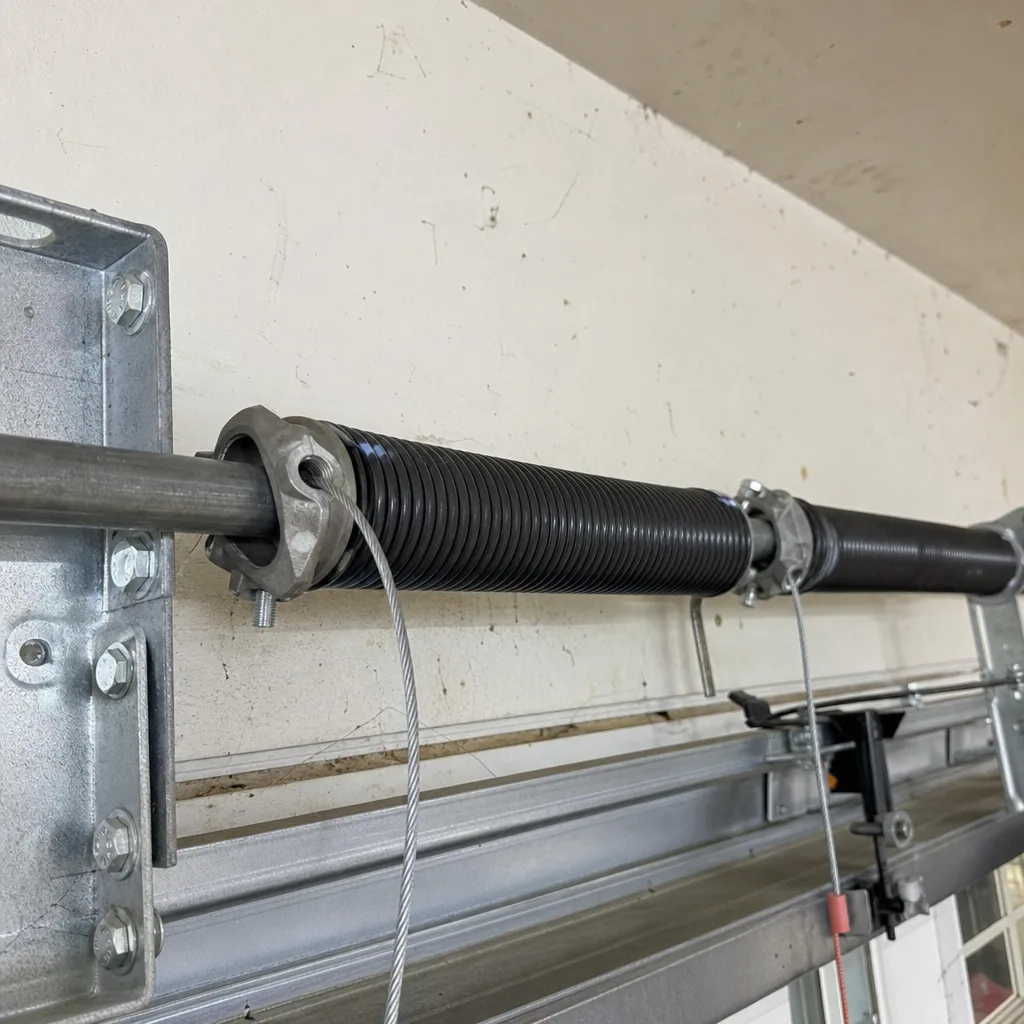
- Spring replacement. Springs are high-tension mechanical components, and replacing them is repair work on an existing, permitted door. No permit, but definitely a trained technician. Springs under tension can cause serious injury, and we don’t recommend anyone but a professional touch them.
- Panel swaps or cosmetic changes. Replacing a damaged panel with an identical match to the existing door, without changing the door’s rated assembly, generally doesn’t require a permit.
- Opener repair or replacement with a like-for-like unit. If you’re swapping a failed opener for a compatible model using existing wiring, most jurisdictions treat it as a repair. If new wiring is involved, see above.
- Roller, cable, hinge, and track adjustment. Routine maintenance and repair work that doesn’t change the installed assembly.
One important note: the line between “repair” and “replacement” can shift based on local interpretation. If a job involves replacing more than a small component, ask the building department. That call costs you nothing and prevents headaches later. If your door has stopped working entirely, our garage door repair team can diagnose the actual failure first, so you know what you’re dealing with before anyone starts talking about permits or replacement.
How the Permit and Inspection Process Works in Kenwood
The permit and inspection process for a garage door is straightforward when everyone knows the steps. Here’s how it typically runs, from first call to closed permit.
- Confirm what the job requires. Before any contract is signed, the contractor should identify whether the work needs a permit and, if so, which type: building, electrical, or both. Ask them to say this in writing.
- Select a compliant door. The door must have a Florida product approval or NOA that covers the wind zone and installation method. The contractor should be able to hand you the approval number and the documentation.
- Apply for the permit. The licensed contractor typically pulls the permit, since they’re the one responsible for the work and the approval. Homeowner-pulled permits exist, but they shift the responsibility to you and can complicate insurance and resale documentation.
- Schedule the installation. Impact-rated doors are ordered to spec, so there’s a lead time between permit approval and install. Plan for it. This is why replacement is a scheduled job, not a same-day job.
- Install to the approval. The anchoring pattern, track, and reinforcement must match the approved assembly. A thorough crew follows the approval documentation, not their own shortcut.
- Schedule the inspection. The building department inspects the installed door against the permit and the product approval. This is usually the step that reveals problems with unpermitted work: either the door is installed correctly and passes, or the inspector finds a gap between the approval and what’s on the wall.
- Close the permit. After the inspection passes, the permit is closed. That closed permit is your documentation for insurance and resale.
Realistic timelines vary by jurisdiction and by door type. A standard replacement door in Kenwood often runs a few weeks from permit application to inspection, driven mainly by product lead times. Custom or high-end doors can take longer. Building department schedules fluctuate seasonally. If you’re planning an installation around a home sale or an insurance requirement, start the conversation early. Our garage door installation team can walk you through the permit steps as part of the free measure and written quote.
If the door won’t move and you’re facing an emergency, that’s a different timeline. Emergency garage door service exists precisely because a broken door is a security problem first and a permitting question second. Get the door secured, then sort out the permit situation afterward.
What Impact-Rated Certification Means and How to Verify an NOA
Impact-rated means the garage door assembly has been tested to withstand the wind pressure and debris impact associated with Florida’s wind-borne debris region, and it has been formally approved for installation in that condition. There’s a certification behind that, and it’s the homeowner’s job to verify it before money changes hands.
Two documents matter. The Florida product approval is a state-level document that lists the product, the manufacturer, the wind pressure rating, and the installation requirements. The Notice of Acceptance (NOA) is the Miami-Dade County version, which is often the stricter standard and is widely accepted across Florida. A door that carries a valid approval or NOA has been tested, and the approval documentation tells you exactly how it must be installed.
How to verify, step by step:
- Ask the contractor for the approval number and the manufacturer’s name for the specific door model being quoted.
- Look up the approval through Florida’s product approval database, or ask the contractor to email the actual approval document. Don’t accept a verbal “yes, it’s impact-rated.”
- Read the approval’s installation section. It lists the anchoring pattern, the reinforcement, the track specifications, and sometimes the maximum door width and height. If the contractor’s quoted assembly doesn’t match, the door isn’t qualified.
- Check that the approval is current. Approvals get updated, and an expired approval may not satisfy the building department.
Verification isn’t a formality. A door approved for one anchoring pattern but installed with a different one isn’t “an impact door with a small installation issue.” It’s an unapproved assembly. That’s the difference between a door that passes inspection and one that has to be removed and reinstalled.
We work across the major brands, including LiftMaster, Raynor, Chamberlain, and Genie systems, so we’re familiar with how different manufacturers document their approvals. The installer you hire should be too.
How Unpermitted Garage Door Work Shows Up at Resale
Unpermitted garage door work is invisible until it isn’t. The two moments it typically shows up are during an insurance claim, when the adjuster asks for documentation of a code-compliant installation, and during a home sale, when the buyer’s title company or inspector pulls the permit history.
At resale, an open or missing permit shows up in a few ways. Title searches can surface permit history, especially in jurisdictions with active permit-tracking. A home inspector may flag a garage door installation that doesn’t match its product approval, or note a door that lacks impact-rated certification. And buyers and their agents increasingly ask for permit documentation as standard practice in Florida, since a garage door is part of the wind-load envelope.
Remediation usually means one of three outcomes:
- After-the-fact permit. Some jurisdictions allow a permit to be pulled after the fact, with the work inspected as-is. If the door matches its approval and the inspection passes, this closes the gap. There’s often a fee for the after-the-fact process, and the schedule depends on the building department.
- Correction and reinspection. If the installed assembly doesn’t match the approval, the work may need to be corrected and inspected again. That’s a conversation for a qualified contractor and the inspector, not something to guess at.
- Removal and replacement. In the most serious cases, a non-compliant assembly has to come out. That’s the expensive outcome, and the one a pre-purchase permit check is meant to avoid.
We’ve seen this pattern enough to know that the fix is always cheaper and faster when it happens before the sale, before the storm claim, and before the buyer’s walkthrough. If you’re buying a Kenwood home with a garage door that looks recently installed, ask the seller for the permit and the product approval. If they can’t produce them, that’s a conversation worth having before you close.
How to Hire a Garage Door Contractor Who Handles Permits Correctly
The contractor you choose determines whether the permit process is seamless or a mess. Here’s what to look for.
- They ask about the permit before you ask. A garage door specialist who routinely installs in Florida knows the wind-load requirements and won’t wait for you to bring them up.
- They speak the language of product approvals. “Impact-rated” is a starting point. The right contractor can hand you the approval number and explain which installation method applies.
- They say “scheduled” and not “same-day.” Impact-rated doors are ordered, measured, and installed to spec. A contractor promising same-day replacement on a wind-rated door is either confusing repair with replacement or skipping steps.
- They’re clear about who pulls the permit. Generally, the licensed contractor pulls the permit, since they own the responsibility for the work. Be wary of anyone who wants you to pull it yourself to “save time.”
- They’re familiar with your existing equipment. We work on the major brands, including LiftMaster, Chamberlain, Genie, and Raynor, so a replacement or opener upgrade doesn’t require a learning curve on your specific system.
- They give you a written price before any work starts. Permits are part of the cost of replacement, and the quote should reflect that. The written estimate sets the final price.
Spring and opener issues are different. Those are repair jobs, usually not permit work, and our garage door opener repair service handles both legacy mechanical openers and modern connected systems. Our technicians have up to 8 years of experience with these brands and components. If the door won’t move, call and we’ll get someone out. If the door needs replacement, we’ll schedule the measure, quote the permit-inclusive price in writing, and walk you through the product approval.
Common Mistakes to Avoid
- Taking “permits aren’t needed” at face value. The person telling you this is usually the person who benefits from skipping the process. In Florida, garage door replacement is generally permit work, because the wind-load provisions apply to the door as part of the envelope. Ask the building department directly if you want a straight answer.
- Confusing “impact-rated door” with “impact-rated installation.” A door can carry a valid approval and still fail inspection if it’s installed with the wrong anchors or track. The approval covers the assembly, not the panel alone.
- Skipping the product approval check. Ask for the approval number and the document. Verify it’s current and that the quoted installation matches. A verbal assurance isn’t documentation, and it won’t help you at closing.
- Letting an installer pull a homeowner permit in your name. If the permit is in your name, you’re the responsible party. A licensed contractor should pull their own permit, since they own the work and the documentation.
- Treating the garage door opener as a separate jurisdiction. A new opener circuit is electrical work, and that can mean an electrical permit alongside any building permit. A full-service garage door specialist coordinates both; a handyman often won’t.
- Assuming a spring replacement needs a permit. It usually doesn’t. But it’s also not a DIY job: springs are high-tension components, and a released spring can cause serious injury. That’s the one call we’d make to a professional without hesitation.
- Buying a home without checking the garage door permit history. If the door was recently replaced and the seller can’t produce a closed permit and product approval, get it sorted before closing. Remediation after a sale is a much harder conversation.
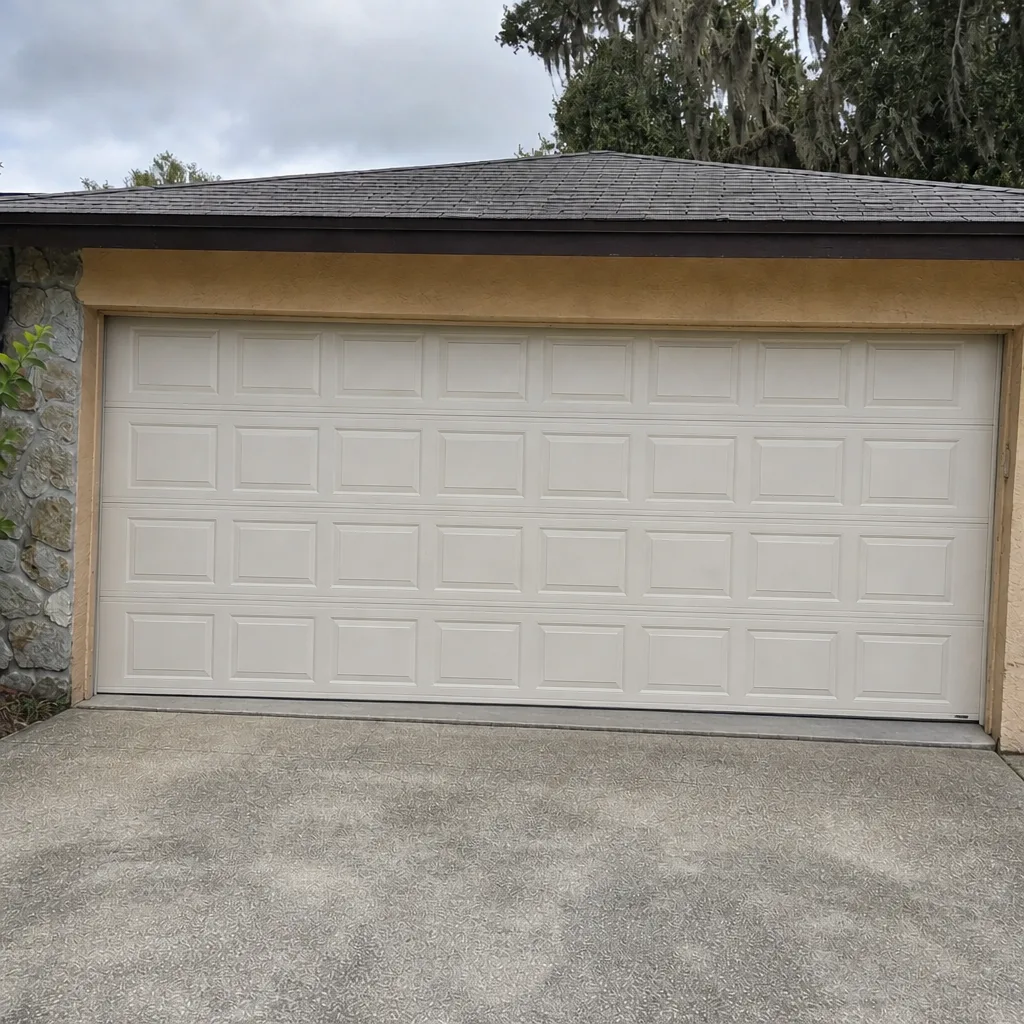
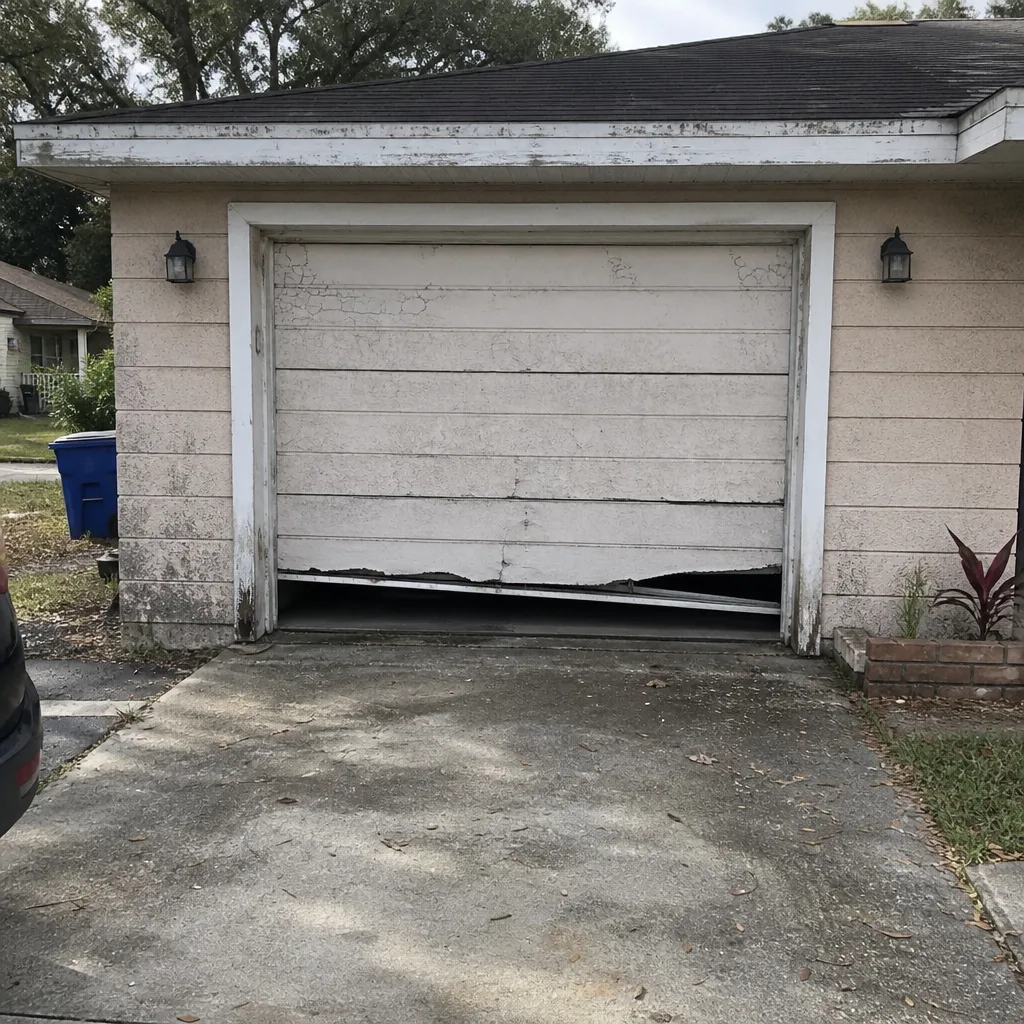
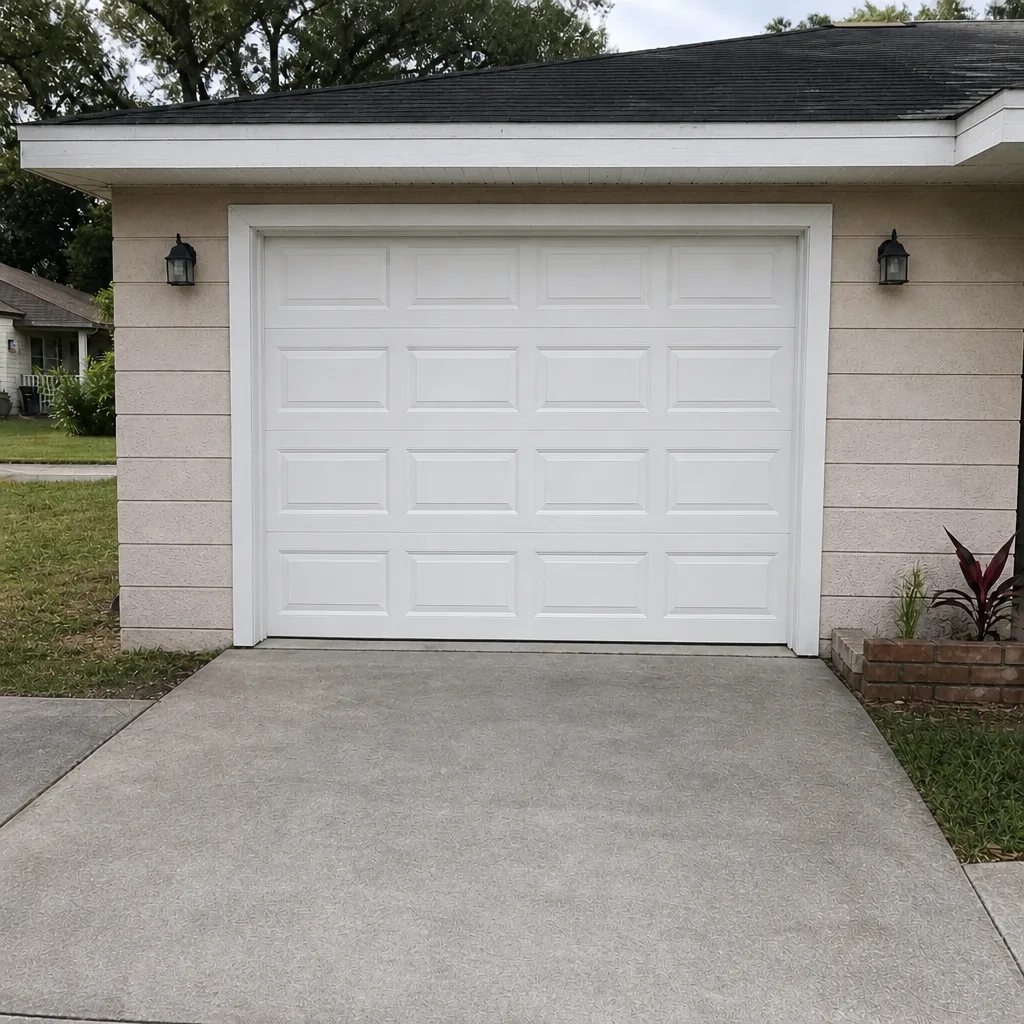
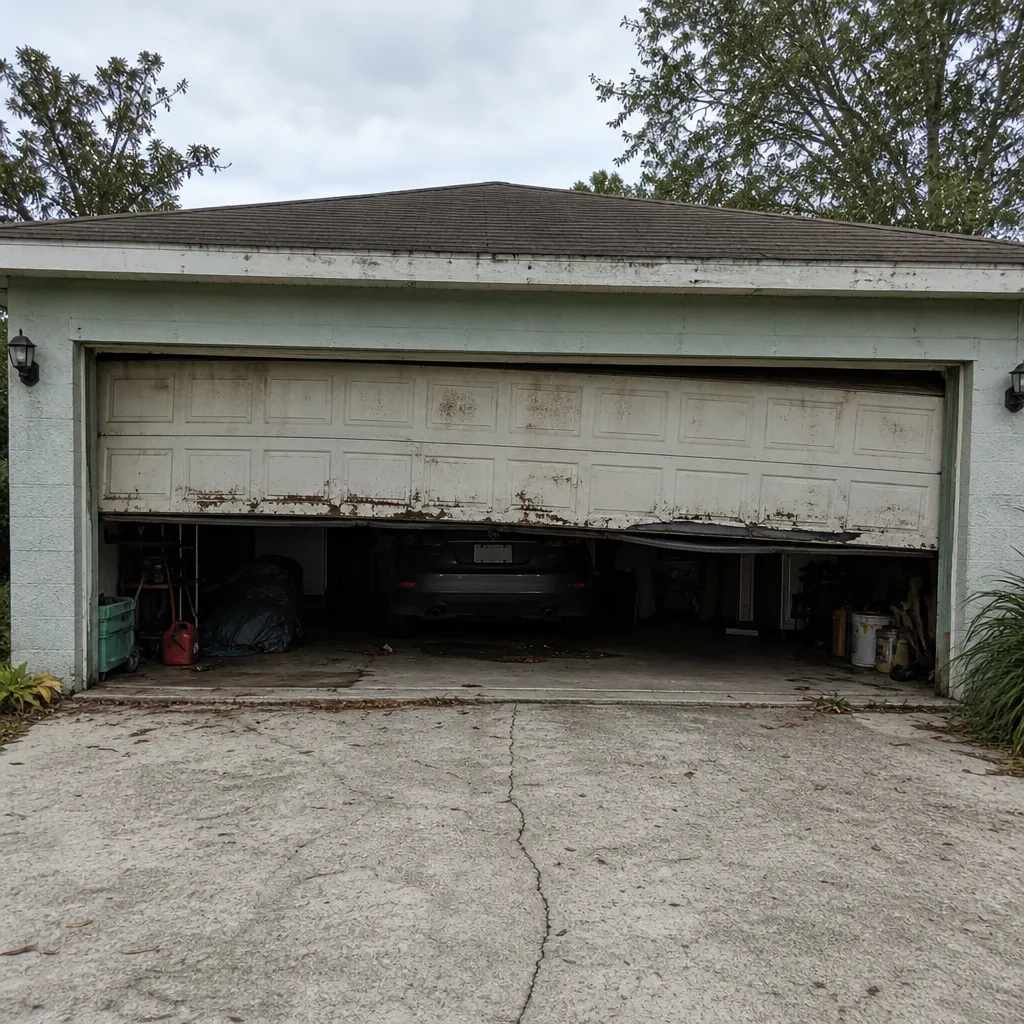
See the difference
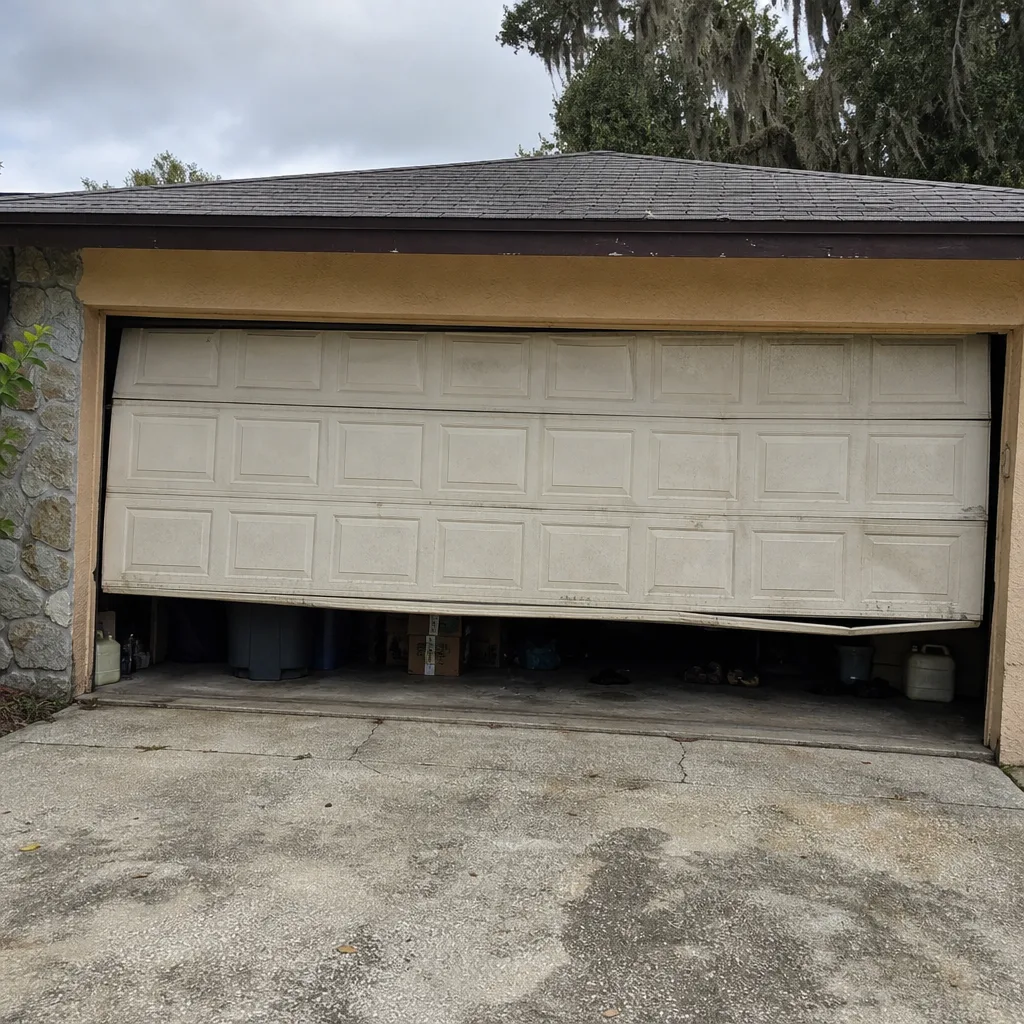 Before
 After
 Before
 After
 Before
 After
When to Call a Professional
Call a professional before you sign an installation contract, not after. A garage door specialist should confirm the permit requirements for your specific job, verify the product approval for the door you’re considering, and give you a written price that includes the permit. If you’re unsure whether a job crosses the permit line, calling sooner is always cheaper than calling later.
Call immediately if a spring breaks, a cable snaps, or the door won’t close. Those situations are safety and security issues, and they aren’t permit questions. A professional can secure the door and diagnose the failure before anyone starts talking about replacement.
If you’re buying or selling a Kenwood home and the garage door looks recently replaced, get a permit history check on your checklist. It’s a small step that prevents a much larger problem.
Garage Door Repair Kenwood offers free estimates in Kenwood. Call (844) 699-3427 and we’ll walk through the permit requirements for your job, verify the product approval, and give you a written price before any work starts.
Frequently Asked Questions
Usually yes. Full garage door replacement typically requires a building permit in Kenwood because the door is part of the home’s wind-load envelope, and Florida Building Code Section 1609 wind-load requirements apply. The permit is your documentation that the door was installed to a compliant product approval. Call the City of Kenwood building department to confirm the specific requirements for your property.
No, spring replacement is generally treated as repair work and doesn’t require a permit. But springs are high-tension components, and a breaking spring can cause serious injury, so this isn’t a DIY job even without a permit. Our garage door repair Kenwood team handles spring replacement as a named service for exactly this reason.
An NOA is a Notice of Acceptance, a Miami-Dade County document that certifies a product meets specific wind-pressure and impact standards for Florida. It matters because it tells you, the inspector, and your insurer that the door was tested and approved for installation in the wind zone where you live. Ask your contractor for the NOA or Florida product approval number for the exact door model being quoted, and read the installation section carefully.
No, impact rating is exactly why a permit is typically required. The permit verifies the door is installed to the approved assembly, which is a different question from whether the door panel is impact-rated. An impact-rated door installed with undersized anchors doesn’t meet its approval. Call (844) 699-3427 for an exact quote on a permit-inclusive installation, and we’ll walk through the approval documentation before any work starts.
Usually a few weeks from permit application to inspection, driven mainly by product lead times and the building department’s schedule. Custom doors can take longer. Because impact-rated doors are ordered to spec, this is a scheduled job, not a same-day job. Call (844) 699-3427 for an exact timeline on your project; estimates are free.
It can. Permit history can surface during a title search, and a home inspector may flag a door that doesn’t match its product approval. Buyers and their agents increasingly ask for permit documentation on Florida homes. Remediation usually means pulling an after-the-fact permit, correcting the installation, or in the worst case removing and replacing the door. Sorting it out before a sale is always cheaper and simpler.
The Bottom Line
Garage door work in Kenwood is more regulated than most homeowners expect, and the rules exist for a good reason: the garage door is part of your home’s protected envelope, and the paperwork behind it matters when the wind blows and when the house changes hands. Full replacement and new opener wiring typically need a permit, because Florida Building Code Section 1609 wind-load provisions apply. Spring repair and panel swaps usually don’t. Impact-rated certification has to be verified through a Florida product approval or NOA, and the door has to be installed to that approval to pass inspection. Unpermitted work can complicate insurance claims and resale, and remediation is always more expensive after a problem surfaces. The good news: with the right contractor, the permit process is straightforward. Get the approval documented, pull the permit, pass the inspection, close it out. Then move on with your day.
If you’re ready to sort through the permit requirements for your specific job, call Garage Door Repair Kenwood at (844) 699-3427 for a free estimate. We’ll verify the product approval, quote the permit-inclusive price in writing, and make sure the job is documented correctly from start to finish.
Written by the team at Garage Door Repair Kenwood.