Last updated November 22, 2026
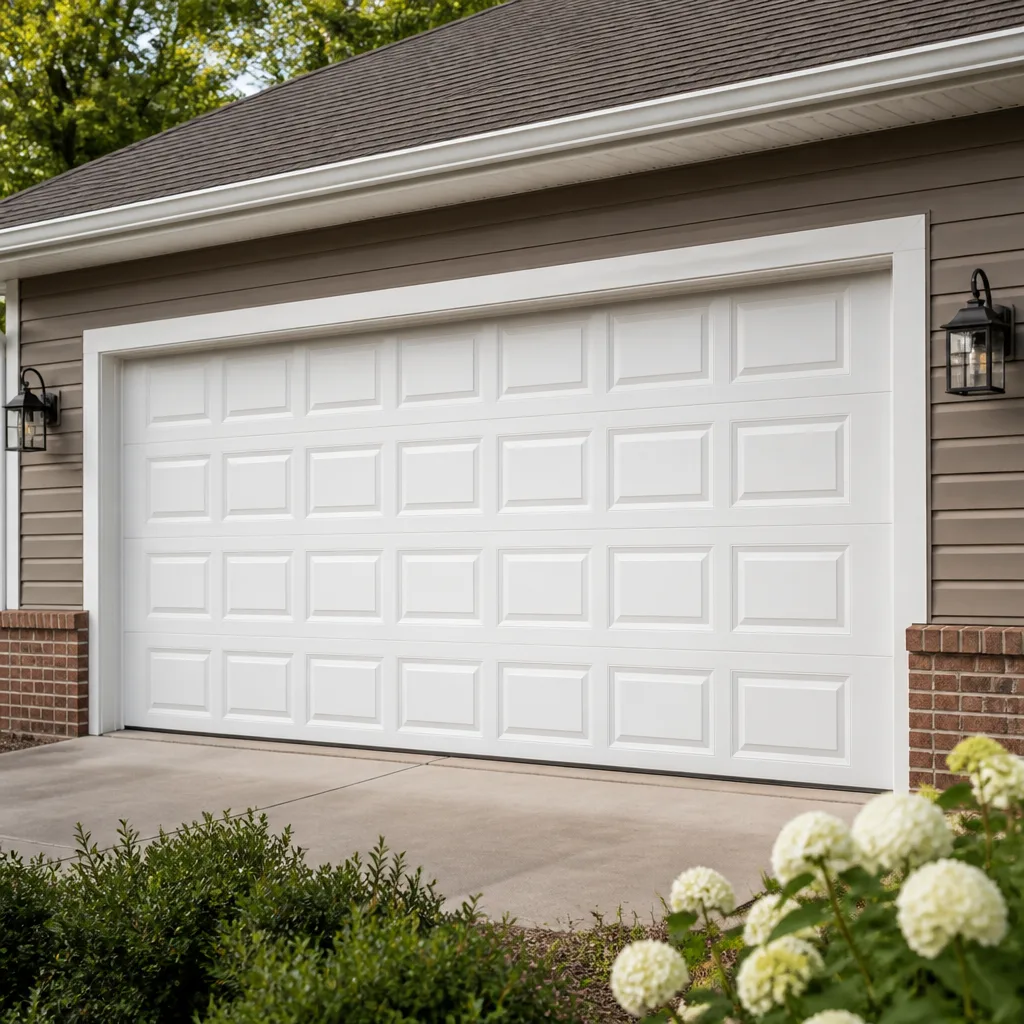 Raised-panel steel
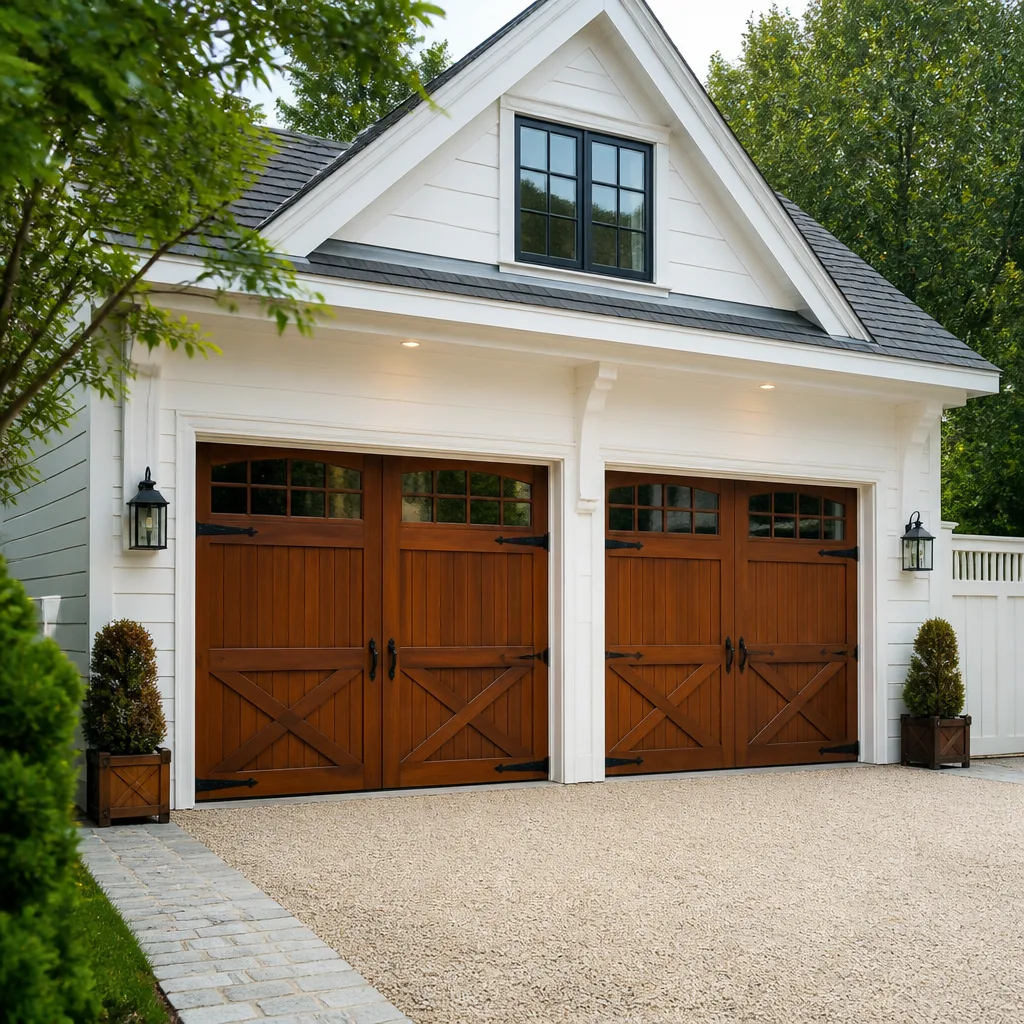 Carriage house
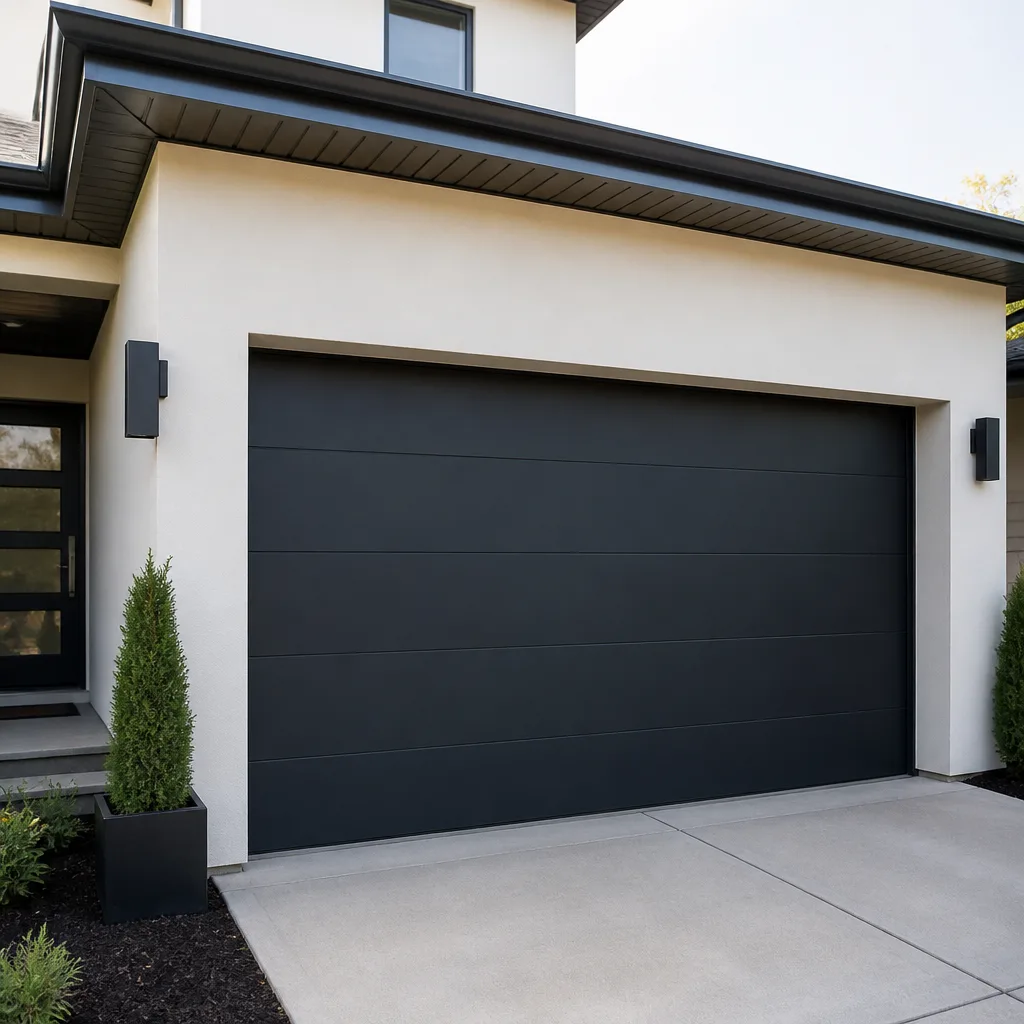 Modern flush
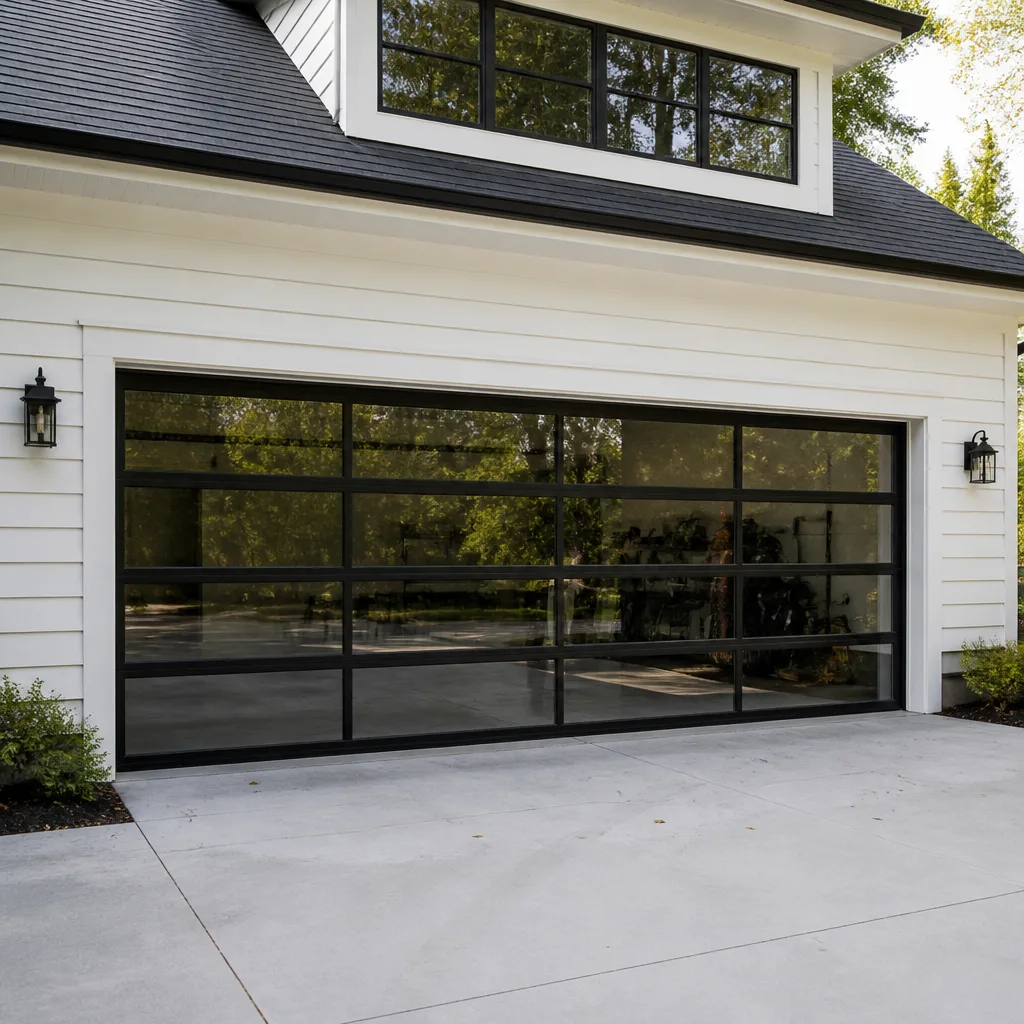 Full-view glass
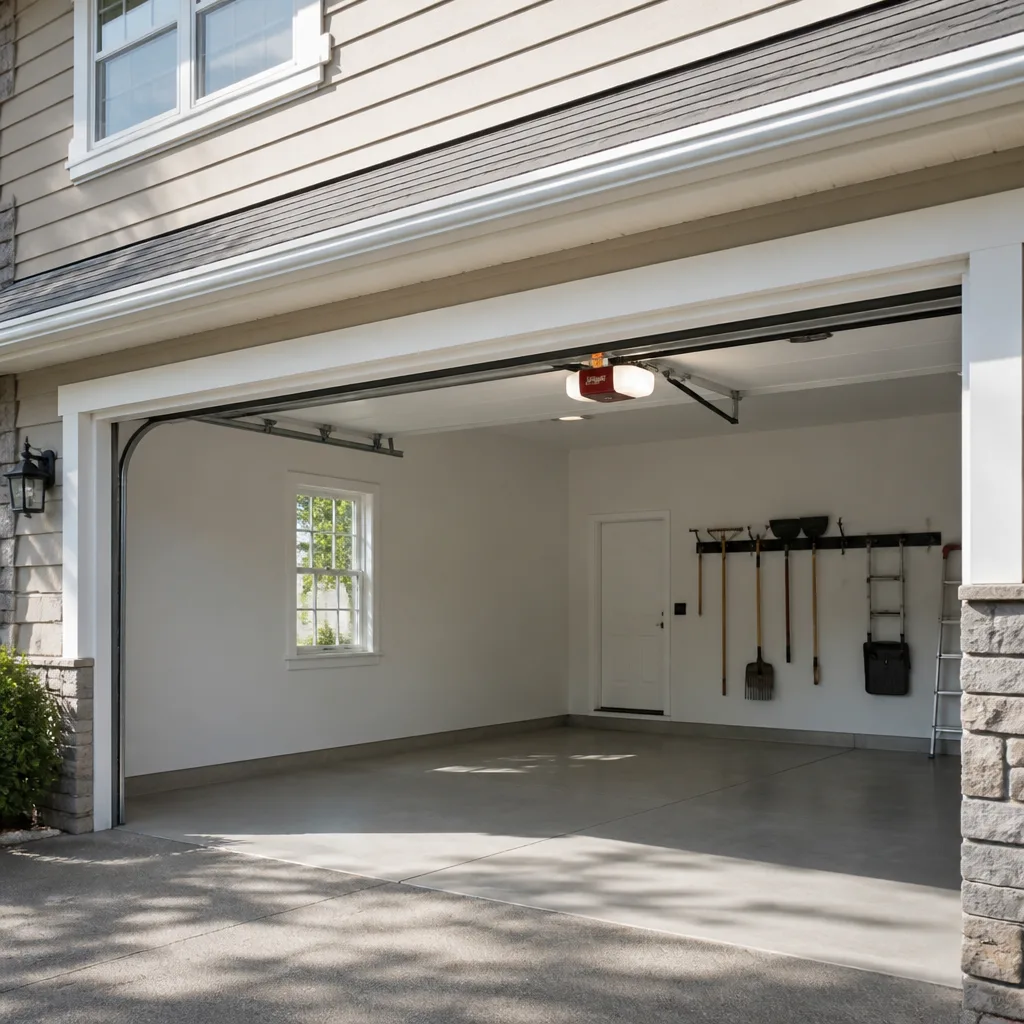 LiftMaster openers
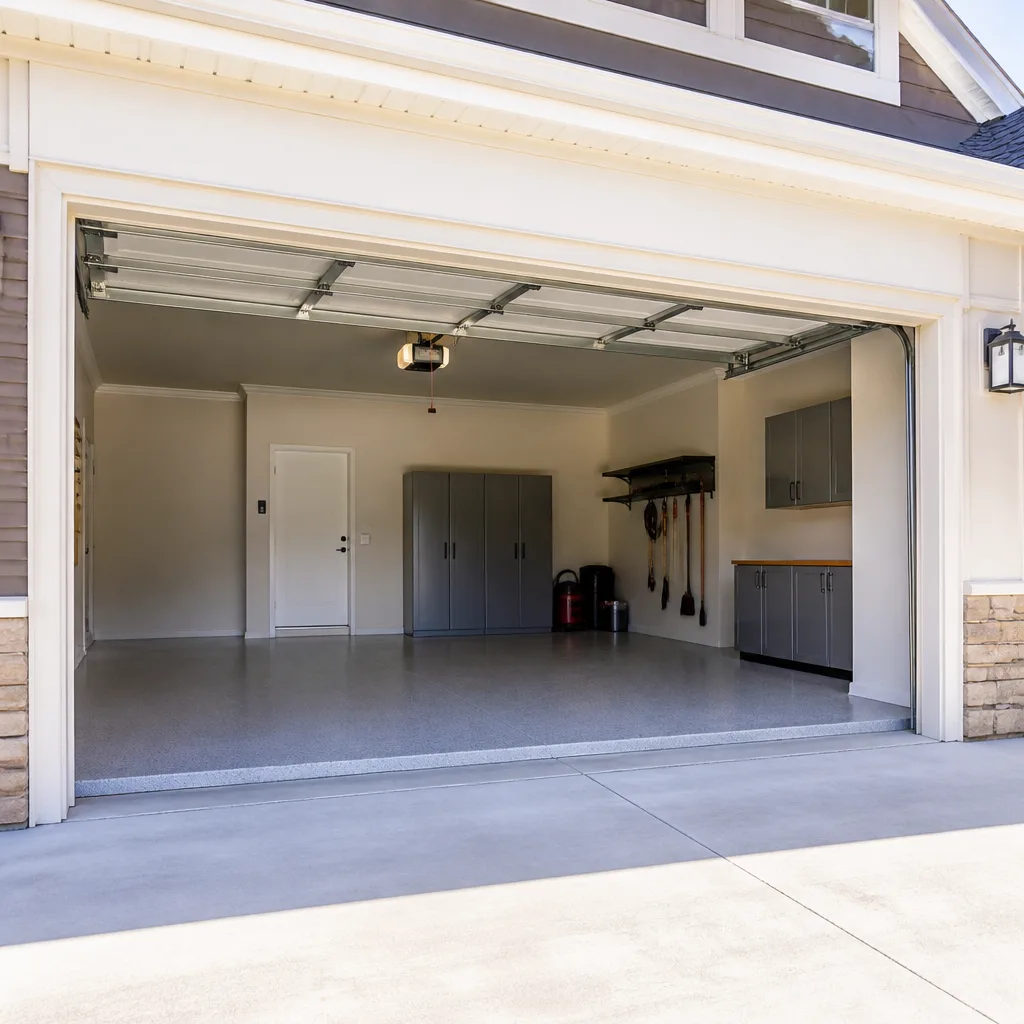 Chamberlain openers
Full 25-point door and opener safety check with every visit - springs, cables, rollers, tracks, and your LiftMaster or Chamberlain opener included
You get a price before we start. It does not change when the pro arrives.
Get your free estimateSeasonal Garage Door Care for Kenwood: Year-Round Homeowner’s Guide
Most seasonal garage door guides are written for climates with freezing winters. In Kenwood, the real seasonal threat is June through October, and the prep window that actually matters opens in April. That timeline confuses homeowners who moved here from colder states. They wait for spring thaw to do maintenance, then scramble when the first named storm spins up. This guide maps the three phases that matter in Kenwood, a wet season, a dry season, and a hurricane prep window, and explains exactly what to inspect, test, and replace in each one. You’ll also see how Florida sun wears out weather stripping, finishes, and opener electronics faster than northern homeowners expect.
Styles & brands we work with
- Raised-panel steel
- Carriage house
- Modern flush
- Full-view glass
- LiftMaster openers
- Chamberlain openers
Quick Answer
Seasonal garage door care in Kenwood follows a three-phase calendar: inspect and repair everything in April and May before storm activity makes contractors hard to reach, manage moisture and corrosion from June through October, then use the cooler dry months of November through March for lubrication, spring adjustment, and any non-urgent repairs. Run a post-storm safety check after any significant wind event before you hit the opener, and expect to replace weather stripping and painted finishes more often here because of UV exposure.
Table of Contents
- Why Kenwood’s Garage Door Calendar Doesn’t Match the Rest of the Country
- The April – May Hurricane Prep Checklist
- Managing the Wet Season: June Through October
- Post-Storm Assessment: What to Check Before You Touch the Opener
- The Dry Season: Why November Through March Is the Time for Real Maintenance
- How Florida UV Degrades Your Door Faster Than You’d Think
- Opener and Electronics Care Through the Year
- Brand-Specific Seasonal Notes
- Common Mistakes to Avoid
- When to Call a Professional
- Frequently Asked Questions
Why Kenwood’s Garage Door Calendar Doesn’t Match the Rest of the Country
If you search for seasonal garage door maintenance advice from northern sites, you’ll get advice about de-icing cables, frozen hinges, and waiting for the ground to thaw. None of it applies in Kenwood. Our winters are mild. Our real problem is the opposite: a long stretch of heat and humidity that quietly breaks down hardware, finishes, and electronics months before you notice anything wrong.
That difference matters for a specific reason. Garage doors are mechanical systems with moving parts, seals, and a motorized control unit. In a cold climate, the seasonal stress is thermal shock, salt, and ice. In Kenwood, the seasonal stress is UV radiation, moisture, and storm-driven wind and debris. Each one attacks a different part of the door. UV goes after seals and painted surfaces. Moisture goes after wood and metal hardware. Storm wind goes after the balance and the tracks.
If you plan your maintenance around the northern calendar, you’ll do the right work at the wrong time. You’ll lubricate rollers in October when the humidity has already done nine months of damage to the springs and hinges. You’ll inspect the seals in March when the UV has been beating on them since the previous summer.
The Kenwood calendar looks like this in practice:
- April and May: The prep window. Inspect everything, fix anything marginal, and get the door into storm-ready condition before contractors and materials get stretched.
- June through October: The wet season. Manage moisture intrusion, watch for corrosion on hardware, and test sensors regularly as humidity spikes.
- November through March: The dry season. The right time for lubrication, spring adjustment, and any repair that isn’t urgent, because the conditions are stable and cool.
Think of the year as three jobs, not four seasons. The two phases contractors in Kenwood handle most often are the pre-storm inspection and the post-storm safety check. Both are preventive. One catches problems before wind exposes them, the other catches problems before the opener turns them into expensive damage.
The April – May Hurricane Prep Checklist
The hurricane prep window in Kenwood opens in April and closes by the end of May. The reason we recommend finishing by then is scheduling. Once storm activity starts, contractors across the region get booked solid, materials become harder to source, and the wait for a repair can run into weeks. April and May is the quiet window before that happens.
Here’s the checklist we walk through in the prep window. Work down the list rather than jumping around, because each step tells you something the next step depends on.
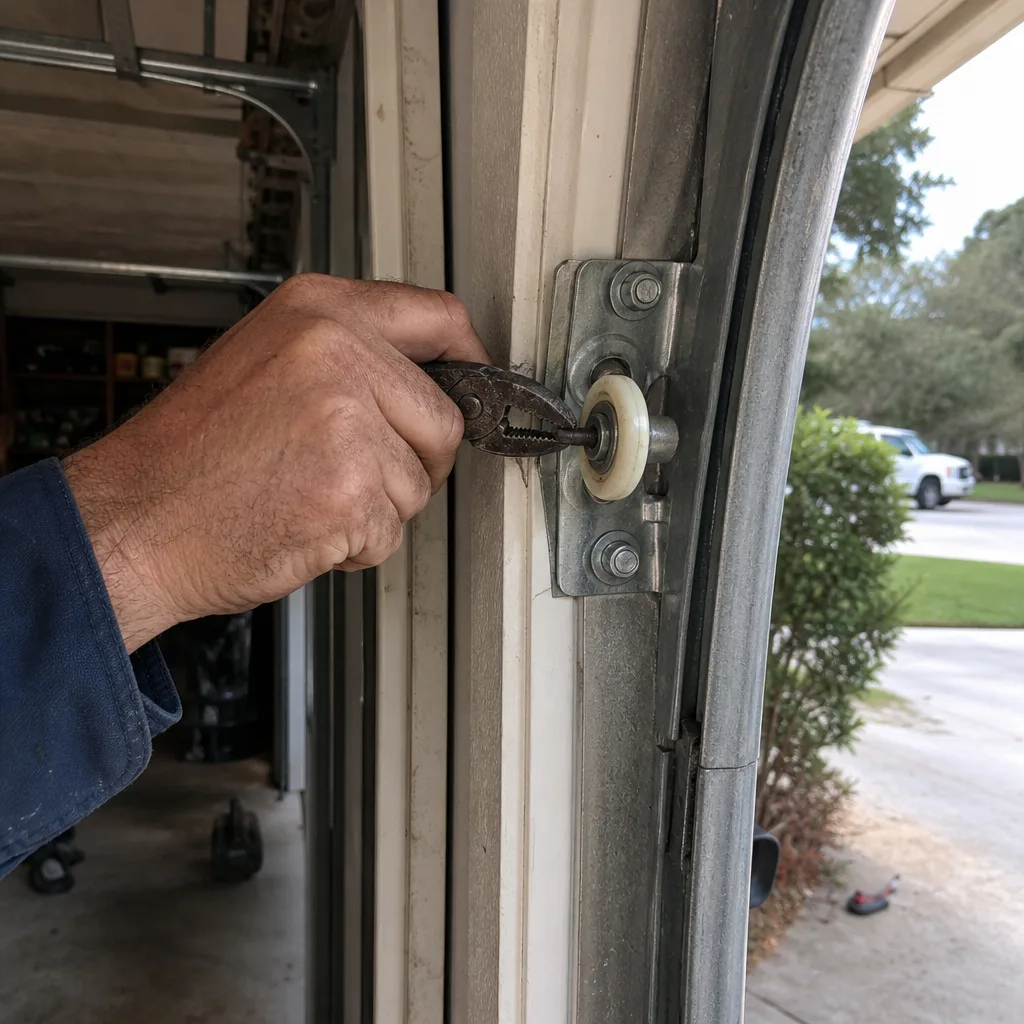
- Test the door’s balance. Disconnect the opener using the manual release, lift the door halfway, and let it settle. It should stay put or drift only slightly. If it drops or rises on its own, the springs need adjustment or replacement before storm season.
- Inspect the springs and cables visually. Look for gaps, rust, stretched sections, or fraying. Springs are high-tension components and belong to a trained technician, so treat this as an inspection only, not a repair.
- Check the tracks for alignment. Stand inside the garage and look up along each track’s length. Bends and separations that look minor in normal weather get worse under wind load. This is a good moment to schedule Garage Door Repair Kenwood if the tracks are visibly out.
- Test the auto-reverse and safety sensors. Place an object in the door’s path and confirm the door reverses on contact. Then break the sensor beam at the base of the tracks and confirm the door immediately reverses. Sensors fail more often than homeowners expect.
- Look at the weather seal at the bottom of the door. A seal that’s cracked or flattened lets wind-driven rain in, and once water gets past the threshold it starts attacking the floor and the door’s lower panel.
- Check the door panels for loose or missing hardware. Hinges, brackets, and roller holders get stressed under wind. Anything loose gets tightened or replaced.
- Verify the opener’s manual release works. In a power outage you may need to disconnect the door and lift it by hand. If the release is stuck or the door is difficult to lift by hand, that’s a red flag worth a professional look.
Once the checklist is complete, note the date. When the next prep window comes, you’ll know exactly when the door was last gone through and what was already repaired. It’s a small habit that keeps the maintenance honest.
Managing the Wet Season: June Through October
June through October is Kenwood’s wet season, and it creates three garage door problems that dry-climate guides never cover: mold and warping on wood doors, corrosion on metal hardware, and sensor failures caused by water intrusion.
Mold and moisture on wood doors
Wood garage doors are beautiful in a dry climate and challenging in a humid one. The problem isn’t a single rainy day. It’s the cumulative effect of months of high humidity, which keeps the wood’s moisture content elevated and gives mold a steady environment. You can’t stop the humidity, but you can slow it down.
- Keep the bottom seal intact so ground water doesn’t wick up into the door’s lower panel.
- Check for bubbling or peeling paint during the wet months. Anywhere paint lifts, moisture is getting in under the finish.
- Look at the bottom two feet of the door, where moisture collects first. Soft spots there are a signal.
- If the door is due for a repaint, use a moisture-tolerant primer. A standard primer trapped under paint will lose adhesion in the wet season.
Doors from Amarr and Clopay come in steel and composite options as well as wood, and steel options sidestep most of the moisture problem. If you’re considering a change, that’s a decision to make in the dry season, not in July. A full garage door installation takes measuring, ordering, and scheduling, so it isn’t a same-week decision.
Corrosion on hardware
Steel and aluminum doors don’t warp with humidity, but their hardware does corrode. Hinges, roller stems, and end plates on steel doors will start to show surface rust in the wet season if the door hasn’t been lubricated since the last dry season. That’s why the dry-season lubrication step matters so much. A good coat of garage-door-rated lubricant put on in November protects the hardware through the next wet season.
If the door already has rust on the hinges or tracks, don’t lubricate over it. Clear the rust first, then lubricate. Lubricating over rust traps the oxidation and makes the problem worse.
Sensor failures from water intrusion
The safety sensors at the bottom of the tracks are electronic components in a garage that sees a lot of moisture. Water on the lens or in the housing causes intermittent failures, and intermittent sensor failures are easy to miss because the door works fine most of the time. Test the sensors monthly during the wet season. If the door reverses for no visible reason, suspect the sensors before the opener’s motor.
Post-Storm Assessment: What to Check Before You Touch the Opener
After any named storm or significant wind event, run these checks before you press the opener button. The reason is simple: if the door’s balance or tracks have been thrown off by wind, using the opener can turn a small repair into a large one.
- Inspect the spring, cable, and hardware from outside the door’s path. Look for gaps, strange angles, or anything hanging loose. Don’t stand under the springs or reach into the spring assembly.
- Look at the tracks from the side. Wind can twist a track a fraction of an inch, which is enough to cause binding. Run your hand along the inside edge and feel for a change in direction.
- Check the door’s alignment within the frame. A door that’s visibly off-center may have jumped a roller. Don’t push it back by hand if it feels stuck or heavy.
- Disconnect the opener and try lifting the door by hand. If it lifts with normal effort and settles, the balance is probably fine. If it’s heavy, hard, or binds, stop and call a professional.
- Inspect the bottom seal and threshold. Wind-driven water and debris can tear a seal. A torn seal makes the wet season harder on everything above it.
- Test the safety sensors after reconnecting the opener. Water intrusion during a storm can knock out the sensors even when the door itself is fine.
If any step makes you uncertain, don’t operate the door. Call for an inspection. A garage door repair visit after a storm is a much cheaper outcome than a door that comes off its tracks or a spring that fails while you’re standing near it.
The Dry Season: Why November Through March Is the Time for Real Maintenance
November through March is the part of the Kenwood year that looks most like a normal maintenance season. The air is drier, the temperatures are cooler, and the conditions for actual repair work are stable. This is the best window for lubrication, spring adjustment, and any repair that isn’t urgent.
Three jobs belong here:
Lubrication
Lubricate the hinges, rollers, torsion bar bearings, and any pivot points on the door. Use a garage-door-rated lubricant, not household oil or WD-40. The right lubricant stays put through the wet season. A thin oil evaporates or runs off, and you’ll be back where you started by June.
Spring tension adjustment
Springs don’t need adjustment for their own sake. They need adjustment when the door’s balance has drifted, which you’ll notice as a door that feels heavy or a door that won’t stay halfway. Springs are high-tension components and any adjustment beyond the visual check should be done by a technician. If the springs are already showing wear from the wet season, this is the window to replace them.
Non-urgent repairs
Every small problem on the door belongs to the dry season. A rattling hinge, a dented panel, a remote that’s stopped working, an opener that’s missing a light – all of these are dry-season work. In the wet season, they compete with storm repairs and take longer to schedule. In the dry season, we have room to get to them.
Dry season is also the right time to plan larger work. If you’re thinking about a new door or a new opener, the cooler months give you time to measure, order, and schedule without storm season pressure. That’s especially true for openers. A modern smart opener like a Chamberlain myQ or a LiftMaster is a planned purchase, not an emergency one, and it deserves the time it takes to get the model right for your door.
How Florida UV Degrades Your Door Faster Than You’d Think
Florida’s sun is harder on garage doors than northern sun. The same UV intensity that fades car paint and dries out roof shingles works on the door’s weather stripping, painted finish, and opener electronics. The effect is cumulative. By the time you notice a problem, the material has usually been degrading for a year or more.
Here’s where it hits and what to expect:
- Weather stripping: The rubber or vinyl seal at the bottom and sides of the door dries out, cracks, and stops sealing. Replacing it is a small job that gets skipped until it isn’t small anymore.
- Painted finishes: Paint on steel doors and stain on wood doors breaks down under UV. Once the finish lifts, the substrate underneath is exposed to the wet season, and that’s when you start talking about panel replacement instead of a repaint.
- Opener electronics: The opener’s control board and receiver live in the hottest, brightest part of the garage ceiling. UV exposure is less direct inside, but heat is the larger factor, and heat plus UV in the housing shortens electronic life.
- Plastic components: Sensor housings, roller holders, and limit switch covers are plastic. UV makes plastic brittle, and brittle plastic fails when it’s flexed, not when it’s touched.
We can’t give you a precise replacement interval for weather stripping or a finish coat without seeing the door, but the practical rule in Kenwood is to check the stripping and finish every dry season and replace when you see cracking, hardening, or lifting rather than waiting for a failure. The doors we see that last the longest are the ones that get the finish and seals renewed before the wet season starts, not after.
Opener and Electronics Care Through the Year
Opener care has its own seasonal rhythm in Kenwood. The opener is an electronic device, and the wet season is when electronics fail most often because of heat and humidity. The dry season is the natural window to service it.
Here’s the sequence we recommend through the year:
- April – May (prep window): Test the opener’s safety reverse, force adjustment, and manual release. Replace the battery in your remote and wall keypad. Check the opener’s light and any smart-home integration (Chamberlain myQ and LiftMaster systems connect to phone apps that can fail silently after a firmware update).
- June – October (wet season): Watch for erratic behavior. A door that opens a few inches and stops, reverses for no reason, or runs the motor without moving is sign of a problem. Most of these trace back to the safety sensors, but a failing logic board can look the same.
- November – March (dry season): If the opener is aging, this is the window for a full garage door opener repair or replacement. The dry, cool conditions give you time to choose the right model, and any repair done now holds through the next wet season.
One specific thing to note: smart connected openers rely on Wi-Fi and on the app’s cloud service, and both can fail in ways that aren’t the opener’s fault. If your phone app stops working, test the door with the wall button before you assume the opener is broken. The wall button bypasses the smart integration entirely.
Brand-Specific Seasonal Notes
The right prep depends partly on the door you have. In our experience, four things vary most across brands and drive which season’s checklist matters more:
- Amarr doors: Many Amarr steel doors have a factory finish, and the finish is what protects the steel from the wet season. Check the finish at the end of every dry season before the wet months arrive.
- Wayne Dalton doors: Wayne Dalton makes both steel and composite doors, and the composite options handle humidity better than wood. If you have a wood-look door, treat the finish as the first line of defense in the wet season.
- Craftsman openers: Older Craftsman openers in Kenwood homes often still have the original control board and sensors. The electronics are the weak point in the wet season, so test the sensors monthly and expect to replace them at some point.
- Raynor doors: Raynor makes a range of commercial and residential doors, and their torsion spring systems need the same dry-season adjustment check as any other brand. The spring check is the one that matters most.
We work on all eight of the major brands – LiftMaster, Chamberlain, Genie, Clopay, Amarr, Wayne Dalton, Craftsman, and Raynor – so the seasonal plan above applies whether you have a factory-installed system from the original build or a replacement opener added later. Same door, fixed right, no brand surprises.
Common Mistakes to Avoid
- Waiting until storm season to schedule maintenance. In Kenwood, April and May are the window to book. By June the schedule is full and materials take longer to arrive, so a small repair can turn into a long wait.
- Lubricating over rust. If the hinges or roller stems have surface rust, clear it before you lubricate. Lubricating over rust traps the oxidation and accelerates the corrosion.
- Using household oil on the tracks. Household oil attracts dust and debris, which builds up on the tracks and causes binding. Use a garage-door-rated lubricant and apply it sparingly.
- Testing the door’s balance with the opener attached. The balance test only works if the door is disconnected from the opener. Testing with the opener attached tells you what the motor is doing, not whether the door is balanced.
- Ignoring a slow-drifting door. A door that opens a few inches lower than it used to, or closes a second slower, is often a sign of spring wear. Catching it in the dry season is far cheaper than catching it after a storm.
- Skipping the post-storm check. After a wind event, the door may look fine but the tracks may be twisted a fraction of an inch. Running the opener on a twisted track can damage the door or the opener motor.
- Repainting a wood door in the wet season. Paint needs stable, dry conditions to cure properly. A wet-season paint job often peels within a year, and you’ll be back where you started.
When to Call a Professional
Some seasonal work is homeowner-level: testing sensors, replacing remote batteries, lubricating hinges, and checking seals. Other work belongs to a trained technician, and the list is short but important. Call a professional if you see a gap in a spring, a sagging door, a track that’s bent or separating, a cable that’s frayed, or a door that binds when you try to lift it by hand. Call if the opener runs but the door doesn’t move, if the door reverses for no reason, or if the opener’s motor is hot to the touch after a single cycle. Call after any named storm if the door is visibly off its tracks. Springs, cables, and torsion systems are high-tension components and should never be adjusted or removed by a homeowner.
Garage Door Repair Kenwood offers free estimates in Kenwood – call (844) 699-3427. Our technicians have up to 8 years of experience, and we’ll tell you plainly whether a problem needs repair now, a repair in the dry season, or no work at all. Estimates are free, and the written quote is the price.
Frequently Asked Questions
The best time is the dry season, November through March, for spring adjustment, lubrication, and non-urgent repairs. The hurricane prep window in April and May is the best time for a full safety inspection, and both windows matter for different reasons. If you can only do one, do the April – May inspection, because it catches problems before storm season exposes them.
Test the sensors monthly during the wet season, June through October, and once at the start of the dry season. Water intrusion and humidity are the leading causes of sensor failure in Kenwood, and monthly testing catches a failing sensor before it stops the door mid-cycle. Call (844) 699-3427 if the sensor test fails – estimates are free.
Not necessarily every year, but check it every dry season and replace it when you see cracking, hardening, or a gap. The UV exposure in Kenwood dries out the stripping faster than in northern climates, so the interval here is shorter than a northern homeowner’s guide would suggest. Replacing stripping is a small repair compared to repairing the door panels it protects.
Only if the door is fully closed and the opener is operating normally. Never open the door if the tracks look bent, the door is off its tracks, or you have any doubt about the balance. Wind-driven debris can damage a door in motion, and a door that binds mid-travel is a danger to anyone near it. Run the post-storm checklist before using the door again after any significant wind event.
Yes. Heat and humidity in Kenwood shorten the life of opener electronics – control boards, receivers, and sensor housings – more than they would in a cooler climate. The practical effect is that sensors and control boards fail sooner, especially on older Craftsman and Genie systems that are still on their original electronics. Scheduled service in the dry season extends opener life more than any other single step.
Inspection cost depends on the door and its condition, and we’ll give you a written quote before any work starts. The written quote is the price – we don’t add charges after the work begins. Call (844) 699-3427, and we’ll schedule an inspection and give you an estimate at no charge.
The Bottom Line
Kenwood doesn’t run on four seasons. It runs on a prep window in April and May, a wet season from June through October, and a dry season from November through March. The prep window is for inspection and catching problems before storm activity makes repairs slow. The wet season is for moisture management, sensor testing, and watching for corrosion. The dry season is for lubrication, spring adjustment, and every repair that isn’t urgent. UV exposure in Kenwood shortens the life of weather stripping, painted finishes, and opener electronics, so check those every dry season rather than waiting for failure. Springs, cables, and torsion systems belong to a trained technician – never adjust them yourself. When the door needs real work, one call covers it: repair, opener repair, installation, spring replacement, and emergency service, on all eight major brands.
Written by the team at Garage Door Repair Kenwood.
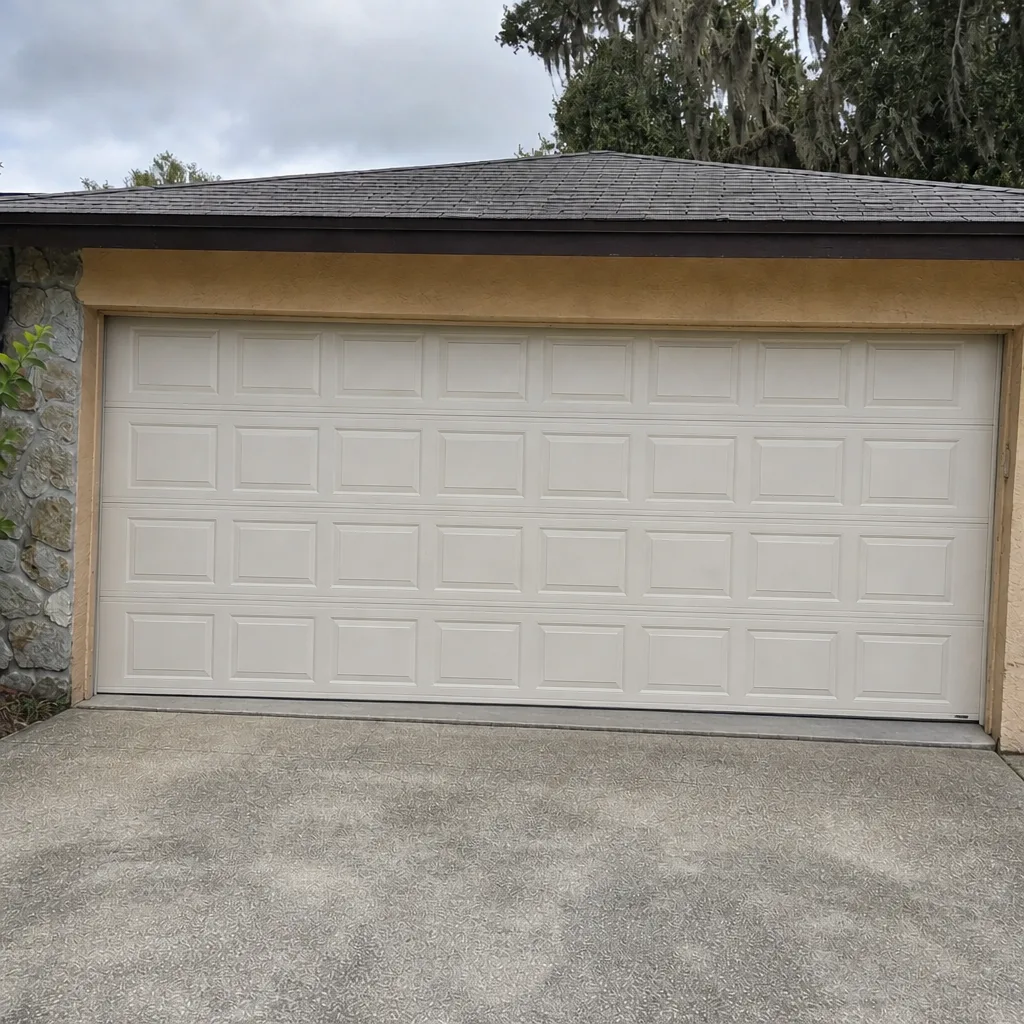
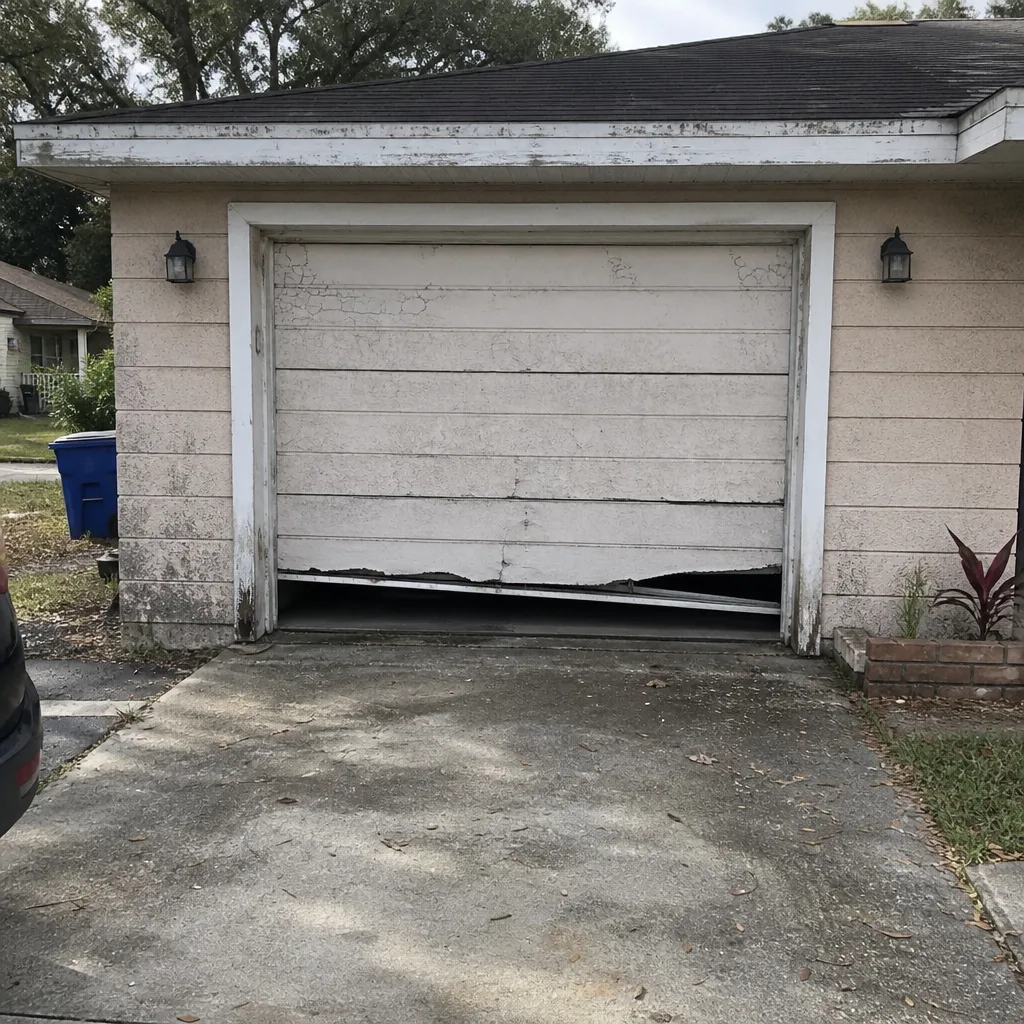
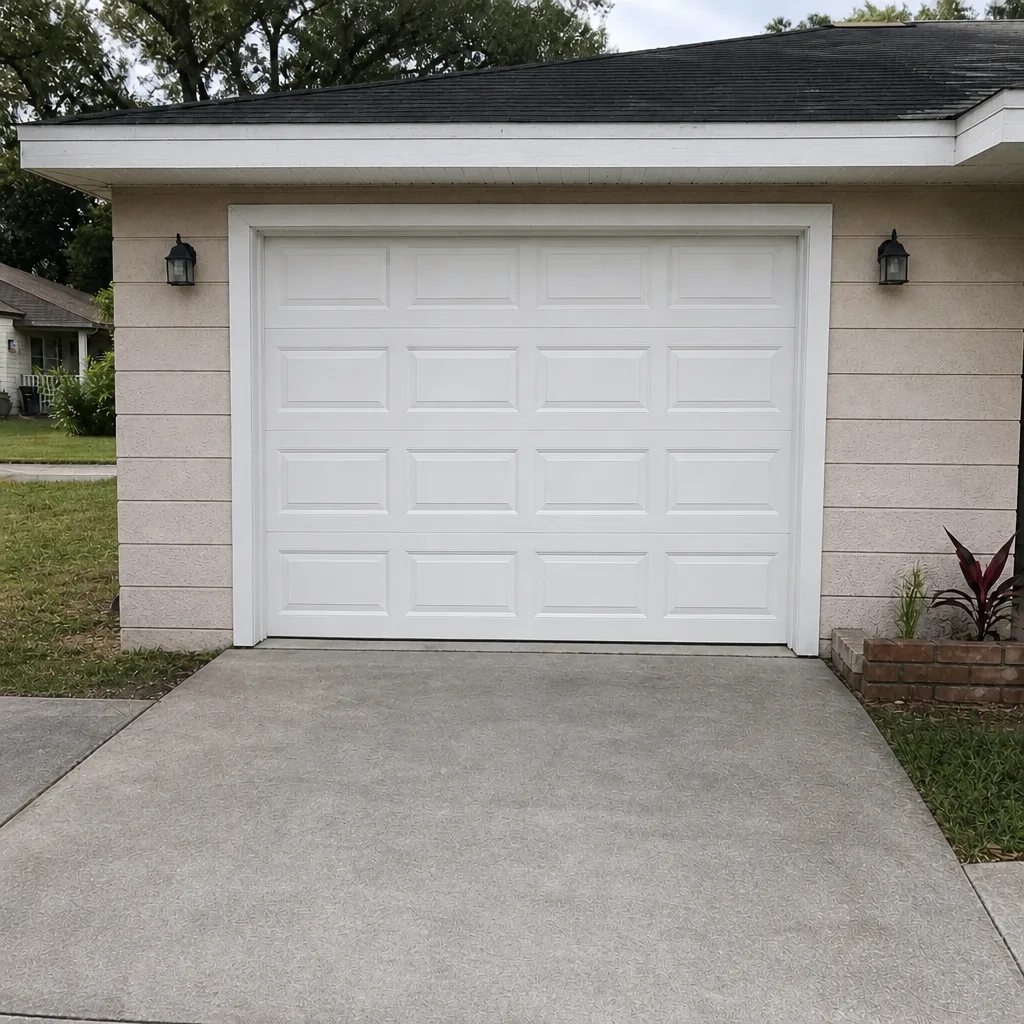
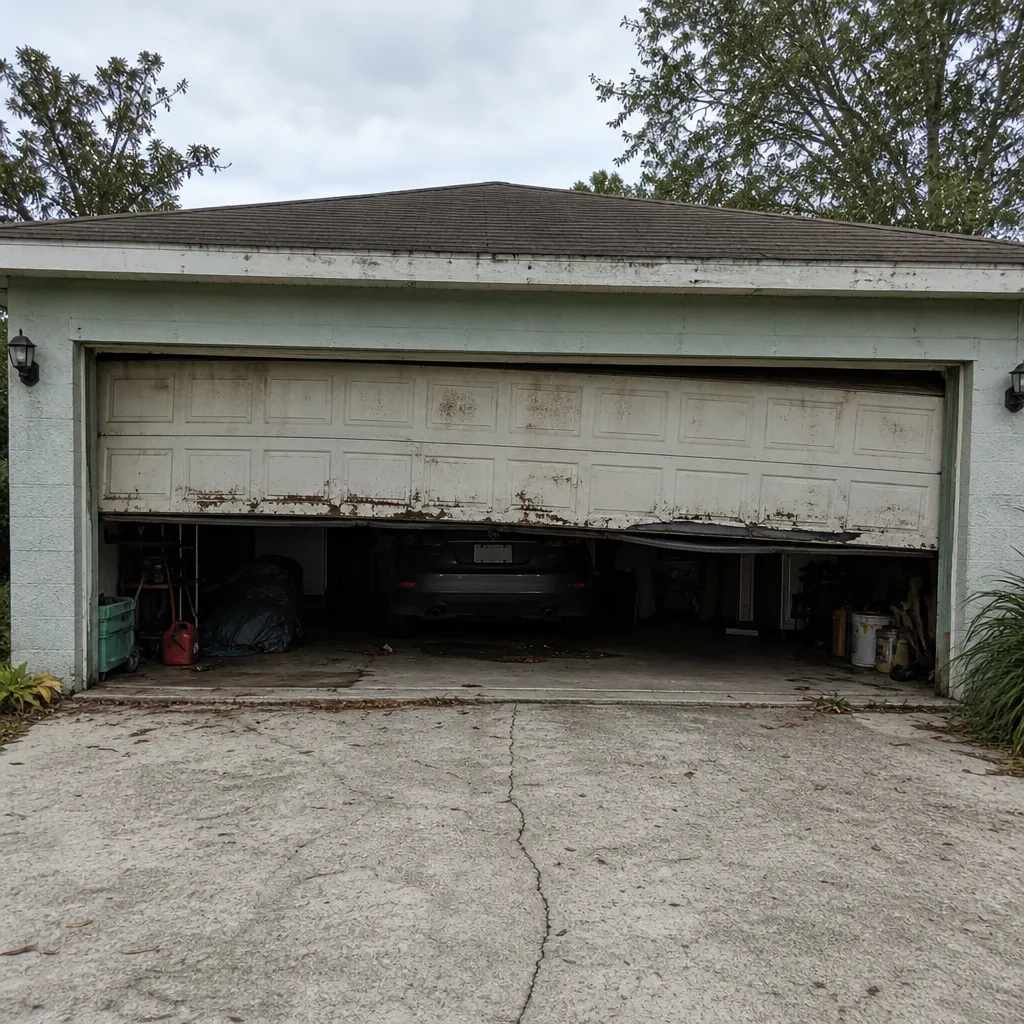
See the difference
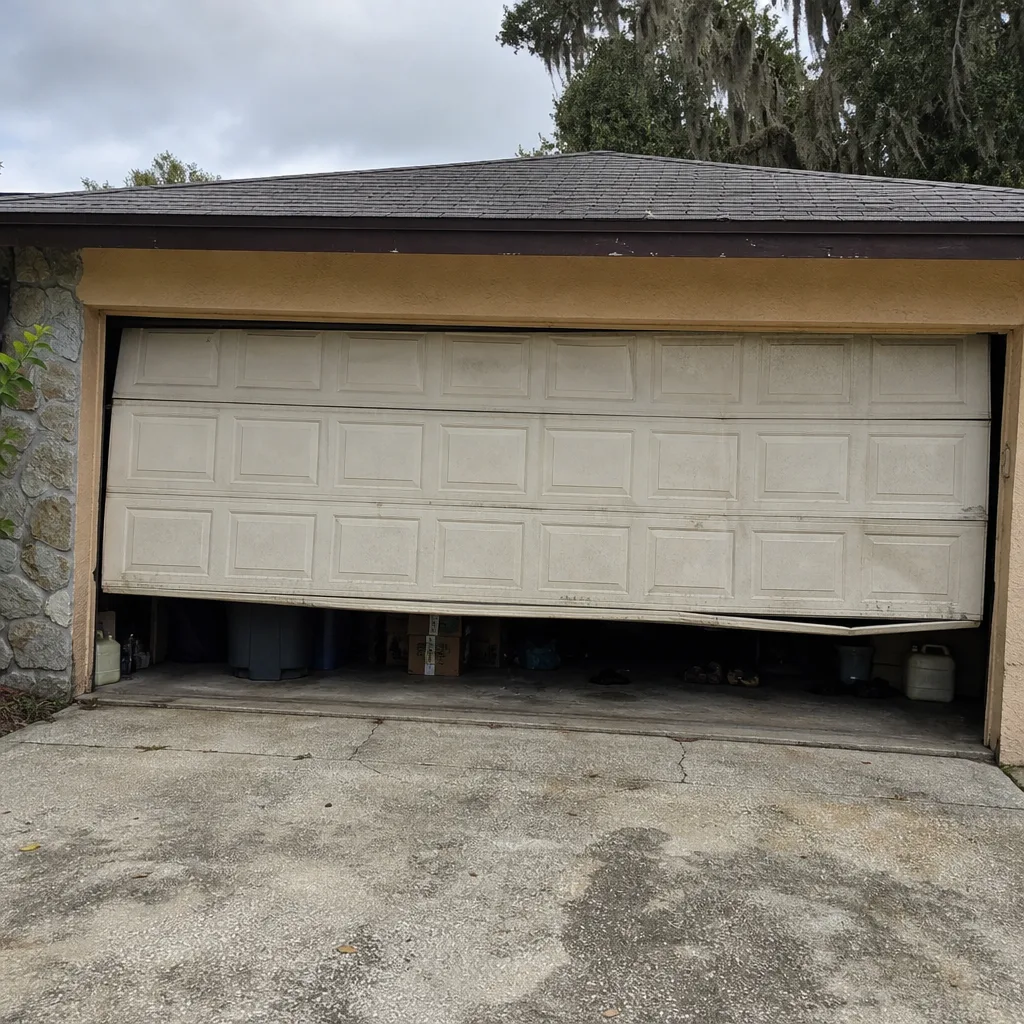 Before
 After
 Before
 After
 Before
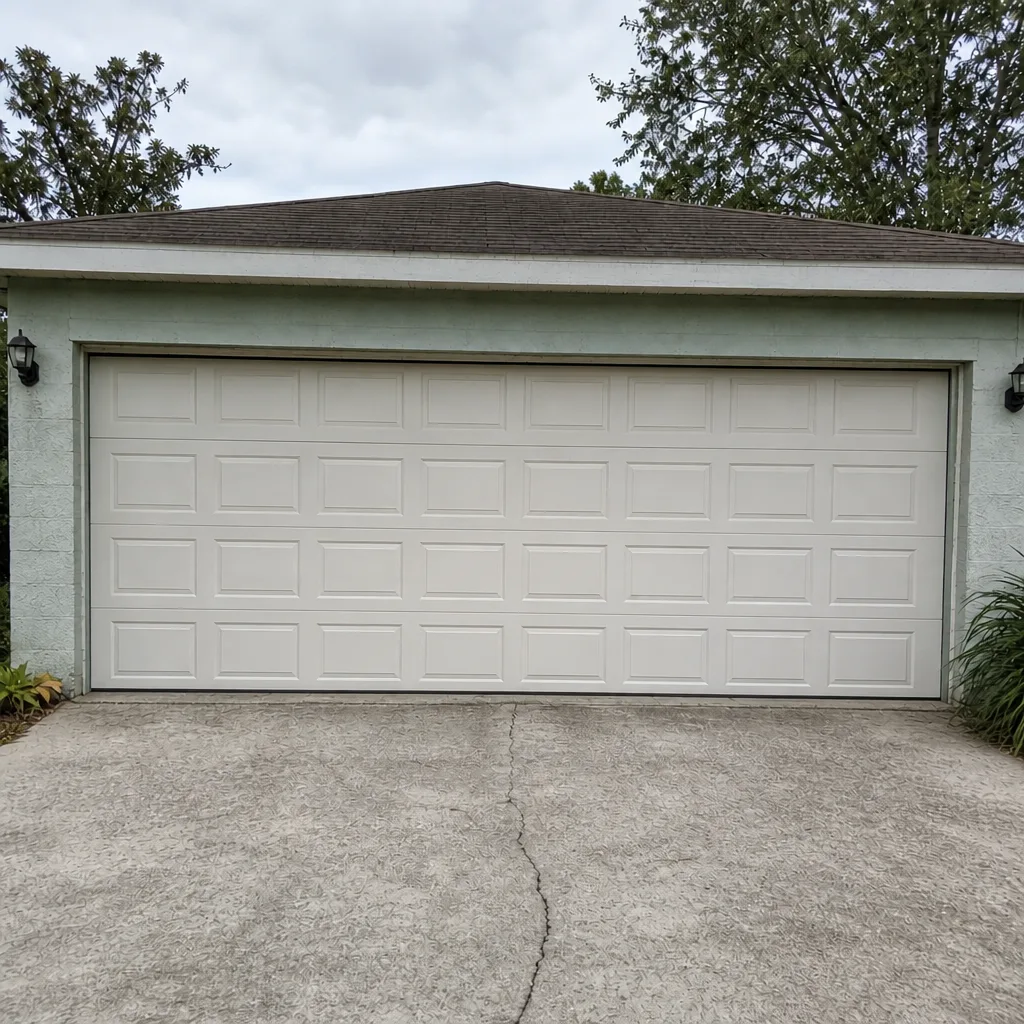 After